
Quick Summary
Indian dermatologists debunk 7 common monsoon skincare myths about cleansers and serums. Learn how to adapt your glass skin routine for humid weather and get expert-backed product picks.
Monsoon in India brings much-needed relief from the heat, but it also introduces a unique set of skincare challenges. Humidity, pollution, and unpredictable weather can disrupt even the most carefully curated glass skin routines. To help you navigate these months, we asked leading Indian dermatologists to address the most common myths about cleansing and serums during the monsoon. Here’s what you need to know to keep your skin clear, radiant, and healthy.
1. Myth: You Should Cleanse More Often in Humid Weather
Expert Insight: Many believe that washing your face multiple times a day is the answer to monsoon stickiness. However, Dr. Priya Sharma, a Mumbai-based dermatologist, warns that over-cleansing can strip your skin’s natural barrier, leading to increased oil production and breakouts. In fact, most Indian skin types benefit from cleansing twice daily - morning and night - even during the most humid spells.
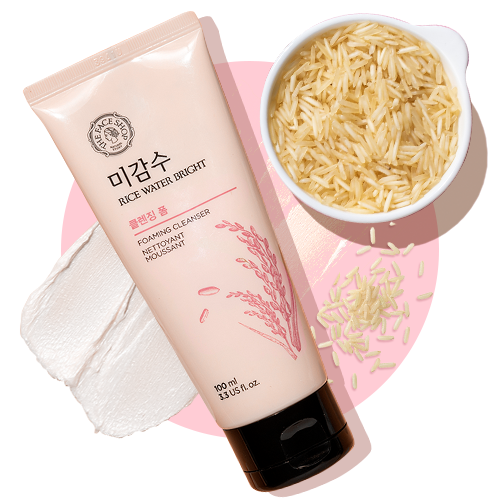
- Choose a gentle, non-stripping cleanser. The Rice Water Bright Cleansing Foam is formulated to remove excess oil and pollution without leaving your skin feeling tight.
- For those who wear sunscreen or makeup, double cleansing at night can help prevent clogged pores.
Tip: If you feel the urge to wash your face midday, use plain water or a soft, damp cloth instead of a foaming cleanser.
2. Myth: Oily Skin Doesn’t Need Moisturizer in Monsoon
Expert Insight: It’s a common misconception that high humidity means you can skip moisturizer, especially if you have oily or combination skin. Dr. Ritu Gupta, a Delhi-based dermatologist, explains that humidity does not equal hydration. Without a lightweight moisturizer, your skin may overcompensate by producing more oil, leading to greasiness and breakouts.
- Look for gel-based, non-comedogenic moisturizers that absorb quickly and don’t clog pores.
- Layering a hydrating serum with hyaluronic acid before your moisturizer can help lock in moisture without heaviness.
INR Value: Investing in a good moisturizer can prevent costly breakouts and pigmentation issues later, saving you money on corrective treatments.
3. Myth: Serums Don’t Absorb Well in Humid Conditions
Expert Insight: Some believe that serums are less effective during the monsoon because of the sticky climate. In reality, humidity can actually enhance serum absorption, provided you choose the right formulation. Water-based serums with ingredients like niacinamide and hyaluronic acid penetrate better when applied to slightly damp skin.
- Apply serum immediately after cleansing and patting your face dry for optimal absorption.
- Lightweight serums are less likely to pill or feel sticky in the heat.
Counterintuitive Fact: Using a serum with antioxidants can help combat pollution-related dullness, which is common during the monsoon in Indian cities.
4. Myth: Stronger Cleansers Are Needed to Remove Monsoon Grime
Expert Insight: The urge to use harsh, foaming cleansers to tackle sweat and pollution is understandable, but it can backfire. Dr. Sameer Joshi, a Pune-based dermatologist, emphasizes that strong surfactants can disrupt your skin’s pH and barrier function, making it more prone to irritation and fungal acne - a common monsoon concern.
- Stick to sulfate-free cleansers with gentle surfactants.
- Ingredients like rice water and vitamin C offer brightening benefits without stripping the skin.
- Try the Vitamin C Brightening Foaming Face Wash for a gentle cleanse that targets dark spots, a frequent issue for Indian skin.
Checklist: Avoid cleansers with alcohol, artificial fragrance, or high foaming action during monsoon.
5. Myth: You Should Avoid All Oils and Actives in Monsoon
Expert Insight: Many avoid oils and active ingredients like vitamin C or niacinamide during the rainy season, fearing breakouts. However, Dr. Gupta notes that non-comedogenic oils and carefully chosen actives can actually help balance sebum and brighten skin. The key is to avoid heavy, pore-clogging oils and stick to lightweight, proven actives.
- Look for serums with niacinamide, hyaluronic acid, or vitamin C for glass skin results.
- Patch test new actives to avoid irritation, especially if your skin is sensitive or prone to fungal acne.
India-Specific Example: Many Indian consumers see improved clarity and glow by adding a vitamin C serum to their monsoon routine, as it helps fight pollution-induced pigmentation.
6. Myth: Glass Skin Is Impossible in Indian Monsoon
Expert Insight: Achieving the coveted glass skin look - clear, luminous, and even-toned - is possible even during the monsoon. The secret is consistency and the right product choices. Layering lightweight, hydrating products and using gentle exfoliation 1-2 times a week can help maintain clarity without triggering excess oil.
- Focus on hydration, not just oil control.
- Use a mild exfoliant with ingredients like lactic acid or PHA, which are less irritating than glycolic acid in humid weather.
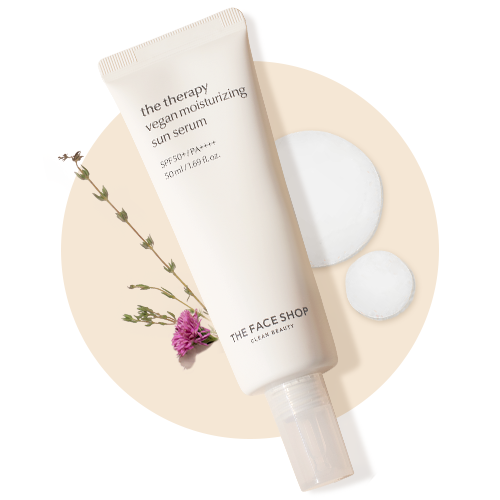
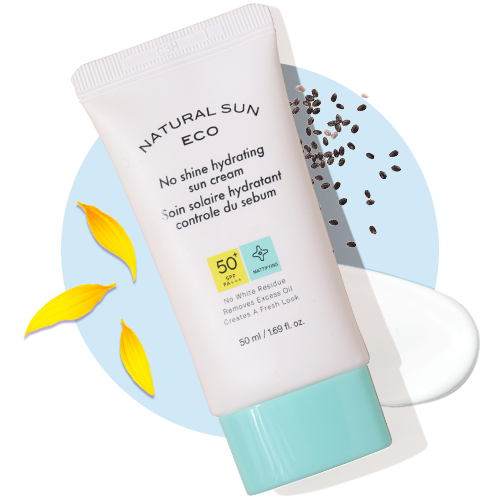
- Don’t forget sunscreen, even on cloudy days. Try the NaturalSun Eco No Shine Hydrating Sun Cream for a matte finish.
Mini-Checklist: Cleanse, hydrate, treat, protect - repeat daily for best results.
7. Myth: Expensive Products Guarantee Better Results
Expert Insight: Price does not always equal performance. Many affordable K-beauty products available in India deliver excellent results, especially when chosen for your specific skin type and concerns. Dr. Joshi recommends focusing on ingredient lists and clinical evidence rather than marketing claims.
- Look for products with proven actives like niacinamide, vitamin C, and hyaluronic acid.
- Take advantage of value bundles such as the 2 at 799 collection to build a routine without overspending.
INR Value: Smart product selection can help you achieve glass skin for under ₹1,500 per month.
Routine Guide: Building Your Monsoon Glass Skin Regimen
Ready to put these tips into action? Here’s a dermatologist-approved routine for Indian monsoon weather:
- Cleanser: Use Rice Water Bright Cleansing Foam morning and night.
- Serum: Apply a lightweight vitamin C or niacinamide serum on damp skin.
- Moisturizer: Choose a gel-based, non-comedogenic formula.
- Sunscreen: Even on rainy days, use a matte, hydrating sun cream.
- Weekly: Mild exfoliation with a PHA or lactic acid-based product.
For more product options, check out our New B2g1 collection for the latest K-beauty arrivals suited for Indian skin.
FAQs: Monsoon Cleansing & Serum Myths for Indian Skin
- Should I double cleanse every day during the monsoon?
- Double cleansing is recommended at night if you wear sunscreen or makeup, but once is enough in the morning. Over-cleansing can disrupt your skin barrier.
- Can I use vitamin C serum in humid weather?
- Yes, vitamin C serums are effective year-round. Just ensure you use a lightweight, stable formula and follow with sunscreen.
- Is it safe to exfoliate during the monsoon?
- Gentle exfoliation 1-2 times a week is safe and helps prevent clogged pores. Avoid harsh scrubs or over-exfoliating, which can irritate skin in humid conditions.
- What ingredients should I avoid in monsoon skincare?
- Avoid heavy oils, thick creams, and products with alcohol or artificial fragrance. Stick to non-comedogenic, lightweight formulas.
- How do I prevent fungal acne during the monsoon?
- Use gentle, sulfate-free cleansers and avoid occlusive products. Look for ingredients like niacinamide and avoid heavy oils that can feed fungal growth.
FAQ
Should I double cleanse every day during the monsoon?
Double cleansing is recommended at night if you wear sunscreen or makeup, but once is enough in the morning. Over-cleansing can disrupt your skin barrier.
Can I use vitamin C serum in humid weather?
Yes, vitamin C serums are effective year-round. Just ensure you use a lightweight, stable formula and follow with sunscreen.
Is it safe to exfoliate during the monsoon?
Gentle exfoliation 1-2 times a week is safe and helps prevent clogged pores. Avoid harsh scrubs or over-exfoliating, which can irritate skin in humid conditions.
What ingredients should I avoid in monsoon skincare?
Avoid heavy oils, thick creams, and products with alcohol or artificial fragrance. Stick to non-comedogenic, lightweight formulas.
How do I prevent fungal acne during the monsoon?
Use gentle, sulfate-free cleansers and avoid occlusive products. Look for ingredients like niacinamide and avoid heavy oils that can feed fungal growth.