
Quick Summary
Discover why your usual 'Glass Skin' K-Beauty routine needs a detox during India's monsoon. Learn how deep cleansing and lightweight serums can help you maintain radiant, clear skin in humid weather.
India’s monsoon brings a welcome respite from the heat, but it also delivers a unique set of skincare challenges. If you’re following a K-Beauty 'Glass Skin' routine, you may have noticed that what works in winter or dry summer doesn’t always translate to the sticky, humid months. Here’s why your routine needs a detox, and how to adapt for glowing, clear skin all season long.
1. Why Monsoon Changes Everything for Your Skin
Indian monsoon humidity can spike up to 90%, leading to increased sweat, oil, and pollution sticking to your skin. This environment can clog pores, trigger breakouts, and dull your natural glow. Traditional 'Glass Skin' routines focus on hydration, but in monsoon, excess moisture and pollution demand a detox approach - deep cleansing and clarifying, not just layering hydrating products.
- Fact: Dermatologists in Mumbai and Kolkata report a 30-40% rise in acne and fungal skin issues during monsoon (source: Indian Journal of Dermatology).
- Tip: Prioritize products that remove impurities without stripping your skin barrier.
2. The Science Behind 'Detox' in K-Beauty
In K-Beauty, 'detox' doesn’t mean harsh scrubs or drying masks. Instead, it’s about gentle, effective cleansing and using lightweight, clarifying serums. Ingredients like rice water, centella asiatica, and tea tree oil help purify and soothe, making them ideal for Indian skin during the monsoon.
- Rice water is rich in amino acids and antioxidants, helping to brighten and clarify.
- Centella asiatica calms irritation and supports barrier repair, crucial in humid, polluted air.
- Tea tree oil targets breakouts without over-drying.
Look for cleansers and serums with these ingredients for a balanced approach.
3. Step 1: Deep Cleansing Without Over-Drying
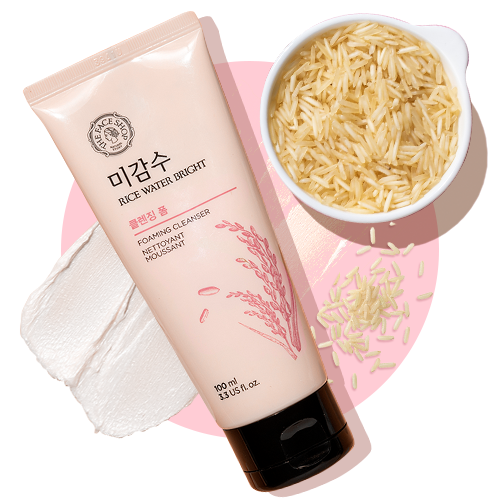
Double cleansing is a K-Beauty staple, but in monsoon, opt for a gentle foaming cleanser that removes sweat, sunscreen, and pollution. The Rice Water Bright Cleansing Foam from The Face Shop is a popular choice in India for its ability to deeply cleanse while maintaining skin softness.
- Price: Around INR 650 for 150ml - affordable for daily use.
- Contains rice water extract for brightening and gentle cleansing.
- Free from harsh sulfates and alcohol, making it suitable for sensitive Indian skin.
Mini-checklist: Wash your face twice daily, especially after being outdoors. Avoid hot water, which can strip natural oils.
4. Step 2: Lightweight, Clarifying Serums for Humid Weather
Heavy serums can feel sticky and clog pores in monsoon. Switch to water-based, non-comedogenic serums with ingredients like niacinamide, hyaluronic acid, or centella. These help control oil, refine pores, and maintain hydration without greasiness.
- Look for serums that absorb quickly and leave no residue.
- Niacinamide helps reduce sebum production and brightens dull skin.
- Centella asiatica soothes redness and supports healing from breakouts.
Many Indian consumers find that using a serum with 2-5% niacinamide balances their skin during the monsoon.
5. Step 3: Emulsions and Gel-Based Moisturizers - Less is More
Thick creams can suffocate your skin in humid weather. Instead, try emulsions or gel-based moisturizers that hydrate without heaviness. Explore options in the Emulsion | Lotion & Moisturizers collection for lightweight hydration suited to Indian climates.
- Emulsions are lighter than creams, perfect for oily or combination skin.
- Gel moisturizers with hyaluronic acid provide hydration without clogging pores.
- INR 800–1200 is a typical price range for quality K-Beauty moisturizers in India.
Apply a small amount and layer only if needed - your skin will thank you.
6. Step 4: Toners - Balancing and Prepping the Skin
Monsoon humidity can throw your skin’s pH off balance. Alcohol-free, hydrating toners help prep your skin for serums and moisturizers. The Rice Toner collection offers gentle options that soothe and refresh without irritation.
- Rice extract toners brighten and even out skin tone, a common concern for Indian skin.
- Look for toners with centella or green tea for extra calming benefits.
- Apply with a cotton pad or pat in with clean hands for better absorption.
7. Step 5: Sunscreen - Yes, Even on Cloudy Days
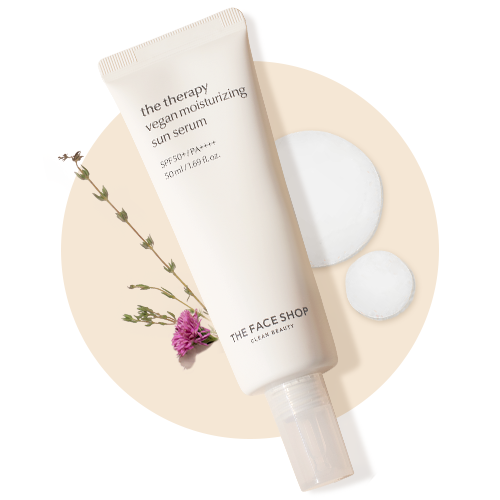
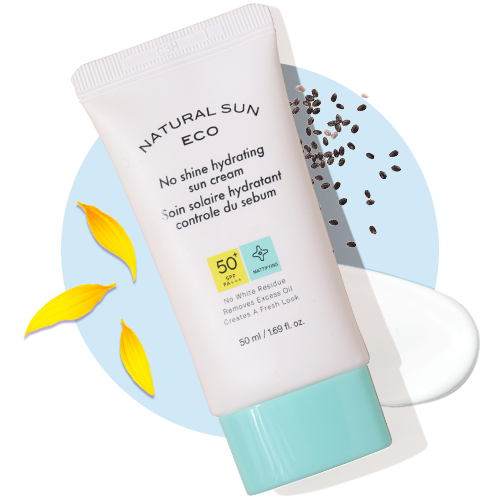
UV rays penetrate clouds, and monsoon sun can still cause tanning and pigmentation. Choose a lightweight, non-greasy sunscreen like the NaturalSun Eco No Shine Hydrating Sun Cream from The Face Shop. It offers broad-spectrum protection without leaving a white cast - ideal for Indian skin tones.
- SPF 40 or higher is recommended for daily use.
- INR 999 for 30ml is a good investment for skin health.
- Reapply every 3-4 hours if you’re outdoors or sweating.
8. Common Mistakes: What to Avoid in Monsoon Skincare
Many Indians unknowingly sabotage their skin during monsoon by:
- Over-cleansing, which can trigger more oil production.
- Skipping moisturizer, thinking skin is already oily - this can lead to dehydration and breakouts.
- Using heavy oils or occlusive creams that trap sweat and bacteria.
- Ignoring sunscreen on cloudy days.
Counterintuitive fact: Even oily skin needs hydration. Dehydrated skin produces more oil to compensate.
9. Ingredient Spotlight: What Works (and What Doesn’t) in Indian Monsoon
Not all ingredients are created equal for monsoon skincare. Here’s what to look for and what to avoid:
- Best for Monsoon: Rice water, centella asiatica, niacinamide, hyaluronic acid, tea tree oil.
- Use with Caution: Heavy oils, thick occlusives, strong fragrances, harsh sulfates.
- Indian insight: Many consumers find that products with minimal fragrance and lightweight textures reduce the risk of fungal acne, which is more common in humid cities like Chennai and Mumbai.
10. Building Your Monsoon K-Beauty Routine: A Quick Guide
Here’s a sample routine using products and collections from The Face Shop:
- Cleanse: Rice Water Bright Cleansing Foam
- Tone: Choose from the Rice Toner collection
- Serum: Water-based, non-comedogenic serum (look for niacinamide or centella)
- Moisturize: Lightweight emulsion from Emulsion | Lotion & Moisturizers
- Protect: NaturalSun Eco No Shine Hydrating Sun Cream
Adjust steps based on your skin’s needs and always patch test new products.
11. Budgeting for K-Beauty in India: Value Tips
K-Beauty doesn’t have to break the bank. Many effective products are available in India for INR 600–1200 per item. Look for combo deals or seasonal offers in the POS B2G1 collection to maximize value. Investing in quality cleansers and serums pays off with clearer, healthier skin during the monsoon.
- Prioritize essentials: cleanser, toner, serum, moisturizer, sunscreen.
- Sample sizes are a smart way to test before committing to full-size products.
12. When to See a Dermatologist: Knowing Your Limits
While a detox K-Beauty routine works for most, persistent breakouts, severe irritation, or fungal acne may need professional attention. Indian dermatologists can help tailor your routine to your skin type and local climate. Always consult a doctor if over-the-counter solutions aren’t working after 2-3 weeks.
Conclusion: Embrace the Monsoon Glow - The Smart Way
Adapting your 'Glass Skin' routine for the Indian monsoon is about more than just hydration. Focus on deep cleansing, lightweight serums, and smart ingredient choices to keep your skin radiant and clear. With the right approach, you can enjoy the season’s freshness without sacrificing your glow.
FAQ
Can I skip moisturizer during the monsoon if my skin feels oily?
No. Even oily skin needs hydration. Skipping moisturizer can lead to dehydration, causing your skin to produce even more oil and potentially trigger breakouts. Choose a lightweight gel or emulsion instead.
How often should I wash my face during the monsoon?
Twice daily is ideal—morning and evening. Over-washing can strip your skin’s natural oils and worsen oiliness or sensitivity.
Is sunscreen necessary on cloudy or rainy days?
Yes. UV rays penetrate clouds, and skipping sunscreen can lead to tanning and pigmentation. Use a lightweight, broad-spectrum sunscreen daily.
What ingredients should I avoid in my monsoon skincare routine?
Avoid heavy oils, thick occlusive creams, strong fragrances, and harsh sulfates. These can clog pores or irritate skin in humid weather.
How do I know if my skin needs a dermatologist’s help during monsoon?
If you experience persistent breakouts, severe irritation, or signs of fungal acne that don’t improve with over-the-counter products after 2-3 weeks, consult a dermatologist for tailored advice.