
Quick Summary
Discover why Indian skin often feels both oily and dull during the monsoon, and learn the dermatologist-approved cleansing secret for a brighter, balanced complexion.
Every Indian monsoon brings a familiar skin paradox: your face feels slick with oil, yet somehow looks lifeless and dull. If you’re wondering why your skin can be both greasy and lackluster at the same time, you’re not alone. This guide unpacks the science behind monsoon skin changes and reveals the deep-cleansing, non-stripping solution Indian dermatologists trust for a brighter, balanced complexion.
1. The Monsoon Skin Paradox: Why Oily Skin Looks Dull
During the Indian monsoon, high humidity triggers your sebaceous glands to produce more oil. But increased oil doesn’t always mean a healthy glow. In fact, excess sebum mixes with sweat, pollution, and dead skin cells, creating a film that blocks light reflection. This is why skin can appear both shiny and dull - a phenomenon especially common in Indian cities like Mumbai and Kolkata where humidity levels soar above 80%.
- Fact: Studies show that humidity above 60% can increase sebum production by up to 30% in Indian skin types (source: NCBI).
- Pollution particles are more likely to stick to oily skin in humid weather, compounding dullness.
2. Why Typical Cleansers Fail in Indian Monsoon
Many face washes marketed for oily skin in India rely on harsh surfactants like SLS or SLES. While these ingredients remove oil, they also strip away essential moisture and disrupt your skin barrier. The result? Temporary dryness followed by rebound oiliness and persistent dullness. Over-cleansing can even trigger irritation or breakouts, especially in humid climates.
- Harsh cleansers can leave skin feeling tight or squeaky - a sign of barrier damage.
- Indian dermatologists now recommend non-stripping, deep-cleansing formulas for monsoon skin.
3. The Science of Deep Cleansing Without Stripping
Deep cleansing doesn’t mean aggressive cleansing. The ideal monsoon cleanser for oily, dull skin uses gentle surfactants and hydrating ingredients to lift away excess oil, sweat, and pollutants without damaging the skin’s protective barrier. Look for formulas with:
- Rice water extract: Known for brightening and antioxidant properties, popular in K-beauty and now widely used in India.
- Glycerin and pro-vitamin B5: Hydrate and soothe, preventing post-wash tightness.
- No SLS/SLES: Avoids over-drying and irritation.
Dermatologists in India often recommend cleansers that balance deep pore cleansing with skin barrier support, especially during the monsoon.
4. Ingredient Spotlight: Why Rice Water Brightens Monsoon Skin
Rice water has been used for centuries in Asian skincare rituals. Recent studies confirm its benefits for Indian skin, particularly during the humid monsoon months:
- Rich in amino acids and antioxidants, rice water helps fade dullness and supports even skin tone.
- It gently exfoliates, removing the film of oil and dead cells that cause monsoon dullness.
- Rice water is suitable for all Indian skin tones and is non-irritating, making it ideal for sensitive or combination skin.
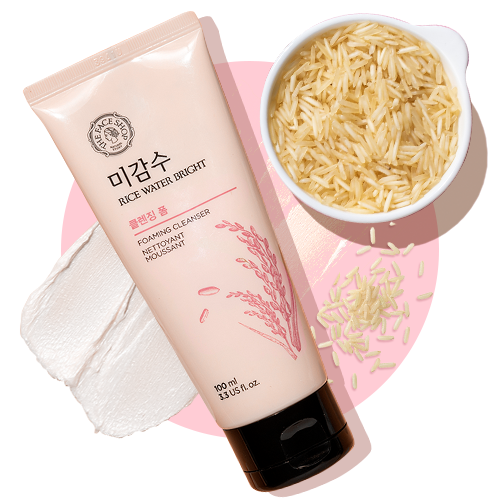
For those seeking a gentle yet effective solution, The Face Shop Rice Water Bright Cleansing Foam is a dermatologist-favored choice in India, offering deep cleansing without stripping.
5. How to Choose a Monsoon Cleanser: Key Criteria for Indian Skin
When shopping for a monsoon-friendly cleanser in India, consider these factors:
- Non-stripping formula: Avoids SLS/SLES and alcohol.
- Deep cleansing action: Removes oil, sweat, and pollution without clogging pores.
- Brightening ingredients: Rice water, niacinamide, or vitamin C help restore radiance.
- Value for money: Look for cleansers offering 100-150 ml at INR 500–900 for optimal cost-effectiveness.
Pro tip: Always patch test new cleansers, especially if you have sensitive or reactive skin.
6. Step-by-Step: The Ideal Monsoon Cleansing Routine
Maximize your cleanser’s benefits with this dermatologist-backed routine:
- Wash twice daily: Morning and evening, using lukewarm water.
- Use a coin-sized amount: Over-cleansing can irritate skin.
- Massage gently for 30 seconds: Focus on oily areas like the T-zone.
- Rinse thoroughly: Ensure no residue remains.
- Follow with a lightweight moisturizer: Even oily skin needs hydration in monsoon.
For added glow, consider pairing your cleanser with a brightening mask from our Masks collection once or twice a week.
7. Real Results: What Indian Users Say About Non-Stripping Cleansers
Indian consumers report noticeable improvements after switching to deep-cleansing, non-stripping face washes:
- “My skin feels clean but not dry, and the dullness is gone.” - Priya, Bengaluru
- “No more midday oil slick, and my face looks brighter even in peak humidity.” - Rahul, Mumbai
- “I used to get breakouts every monsoon, but this year my skin is calm and balanced.” - Neha, Delhi
These testimonials echo findings from Indian dermatologists, who note fewer complaints of irritation and dullness among patients using non-stripping cleansers.
8. Comparing Cleansing Approaches: What Works Best in India?
Let’s break down the pros and cons of popular cleansing options for monsoon oily, dull skin:
| Type | Pros | Cons |
|---|---|---|
| Harsh foaming cleansers | Removes oil quickly | Can strip skin, cause rebound oiliness, worsen dullness |
| Soap-free, non-stripping cleansers | Deep cleans, maintains moisture, brightens | May feel too gentle for very oily skin types |
| Natural DIY cleansers (multani mitti, besan) | Budget-friendly, traditional | Inconsistent results, can over-dry or irritate sensitive skin |
For most Indian consumers, a non-stripping, rice water-based cleanser offers the best balance of deep cleansing and radiance restoration. Explore our Uneven Skin Tone collection for more brightening solutions.
9. The Face Shop Rice Water Bright Cleansing Foam: Why It’s a Monsoon Must-Have
The Face Shop Rice Water Bright Cleansing Foam is a top pick among Indian dermatologists for monsoon skin concerns. Here’s why:
- Contains rice water extract for gentle brightening and antioxidant protection.
- Soap-free and SLS/SLES-free, so it won’t strip your skin.
- Available in 100 ml and 150 ml sizes, priced from INR 500–900, making it accessible for most budgets.
- Suitable for all Indian skin tones and types, including sensitive and combination skin.
Thousands of Indian users have made this cleanser a staple in their monsoon skincare routine for its visible results and value for money.
10. Beyond Cleansing: Tips for Brighter, Balanced Monsoon Skin
While the right cleanser is crucial, a few additional steps can help you maintain a radiant complexion all monsoon long:
- Use a lightweight, non-comedogenic moisturizer after cleansing.
- Apply sunscreen daily - UV rays penetrate clouds and can worsen dullness.
- Exfoliate gently 1-2 times a week to prevent buildup of dead skin cells.
- Stay hydrated and avoid heavy, occlusive creams during humid months.
Remember, consistency is key. With the right cleansing approach and supporting products, you can enjoy clear, glowing skin even in the stickiest Indian monsoon.
FAQ
Why does my skin feel both oily and dull during the Indian monsoon?
High humidity increases oil production, but sweat, pollution, and dead skin cells create a film that blocks radiance, making skin appear greasy yet dull.
How often should I cleanse my face during monsoon in India?
Dermatologists recommend cleansing twice daily with a gentle, non-stripping cleanser to remove oil and pollutants without damaging your skin barrier.
What ingredients should I look for in a monsoon cleanser for oily skin?
Look for rice water, glycerin, pro-vitamin B5, and avoid SLS/SLES. These ingredients deep clean while maintaining hydration and brightness.
Is The Face Shop Rice Water Bright Cleansing Foam suitable for sensitive Indian skin?
Yes, it is soap-free, SLS/SLES-free, and contains soothing rice water extract, making it suitable for sensitive, oily, and combination Indian skin types.
Can I use natural DIY cleansers like multani mitti during monsoon?
While traditional, DIY cleansers can be inconsistent and may over-dry or irritate sensitive skin. Dermatologists recommend gentle, formulated cleansers for best results.