
Quick Summary
Discover why your skin feels both oily and dehydrated during India's monsoon, and how K-Beauty routines can help you achieve glass skin clarity with the right cleansers and serums.
Monsoon in India brings much-needed relief from the heat, but it also triggers a confusing skin dilemma: your face feels greasy, yet tight or flaky. This paradox of oily yet dehydrated skin is common, especially in humid cities like Mumbai, Chennai, and Kolkata. If you’re searching for a solution that delivers the coveted 'glass skin' clarity, K-Beauty routines offer evidence-backed answers tailored for Indian skin and climate.
Understanding the Monsoon Skin Paradox: Oily and Dehydrated at Once?
It’s not your imagination - monsoon weather can make your skin both oily and dehydrated. High humidity increases sweat and sebum production, making skin look shiny. But frequent washing, air pollution, and harsh cleansers strip away natural moisture, leaving the deeper layers parched. According to dermatologists, this imbalance can worsen breakouts and dullness, especially for Indian skin types prone to sensitivity and pigmentation.
- Fact: A 2022 survey by the Indian Association of Dermatologists found over 60% of urban respondents reported increased oiliness and dehydration during monsoon months.
- Tip: If your skin feels greasy on the surface but tight underneath, you’re likely experiencing this paradox.
Why Typical Cleansers and Moisturisers Fail in Indian Monsoon
Many Indians switch to foaming cleansers or skip moisturiser entirely, hoping to control oil. However, this can backfire. Over-cleansing damages your skin barrier, causing more oil production and dehydration. Heavy creams, on the other hand, can clog pores in humid weather, leading to monsoon breakouts.
- Checklist: Avoid cleansers with high alcohol content or sulfates. Look for pH-balanced, gentle formulas.
- Choose lightweight, water-based moisturisers instead of thick creams.
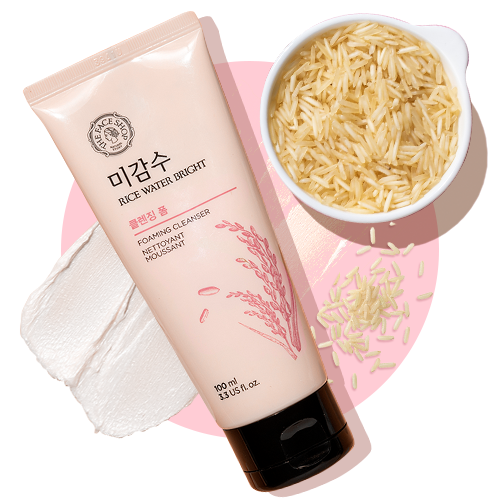
For a gentle yet brightening cleanse, try the Rice Water Bright Cleansing Foam from The Face Shop, which is formulated to remove impurities without stripping moisture.
K-Beauty’s 'Glass Skin' Philosophy: Why It Works for Indian Monsoon
K-Beauty routines focus on hydration, barrier repair, and gentle exfoliation - key needs for monsoon skin. The 'glass skin' look is all about clarity, bounce, and a luminous finish, not oiliness. Korean skincare uses humectants like hyaluronic acid and glycerin, which draw moisture into the skin without heaviness. This approach aligns perfectly with the needs of Indian consumers facing humidity and pollution.
- Counterintuitive fact: Hydrating your skin can actually reduce oiliness by balancing sebum production.
- Layering lightweight products is more effective than using a single heavy cream.
Step 1: The Right Cleanser - Gentle, Brightening, and pH-Balanced
Start with a cleanser that removes sweat, oil, and pollutants without disrupting your skin’s barrier. Look for formulas with rice water, vitamin C, or niacinamide for gentle brightening. The Vitamin C Brightening Foaming Face Wash from The Face Shop is ideal for sensitive, dull skin during monsoon, as it brightens and soothes without irritation.
- Use lukewarm water - hot water can worsen dehydration.
- Limit cleansing to twice daily, even if your skin feels oily.
Step 2: Hydrating Serums - The Secret to Plump, Dewy Skin
After cleansing, apply a hydrating serum with ingredients like hyaluronic acid, panthenol, or centella asiatica. These draw water into the skin, plumping it up without adding oil. In India’s monsoon, a serum absorbs quickly and won’t feel sticky. Look for serums that also contain niacinamide or vitamin C for added brightening and anti-inflammatory benefits.
- Mini-checklist: Choose serums labeled 'oil-free' or 'non-comedogenic.'
- Apply on damp skin for better absorption.
Step 3: Lightweight Moisturisers - Gel vs. Water Gel for Oily Skin
Not all gels are created equal. In India, a true 'water gel' moisturiser has a higher water content and a burst texture that feels cooling and absorbs instantly. This is different from standard gel moisturisers, which may still contain heavier silicones or oils. Water gels are ideal for oily, dehydrated skin in monsoon, as they hydrate deeply without clogging pores or leaving residue.
- Comparison: Water gels (like those with hyaluronic acid) deliver hydration with a fresh finish, while regular gels may feel heavier in humidity.
- Expect to pay between INR 600–1500 for quality water gels in India.
Step 4: Sun Protection - Why You Still Need SPF in Monsoon
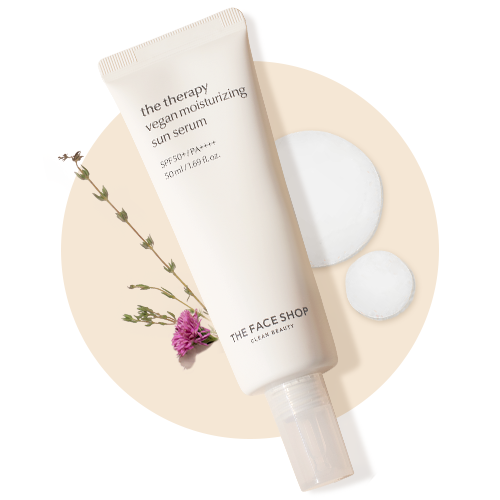
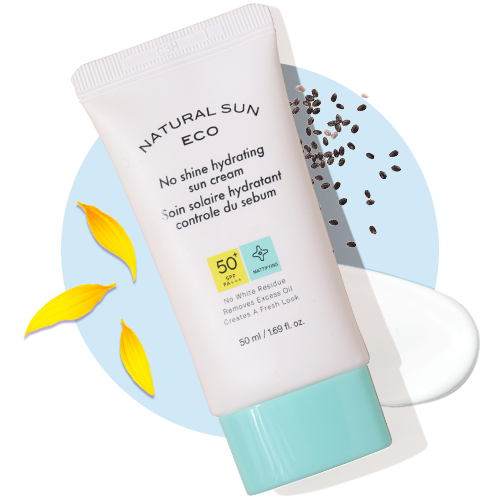
Cloudy skies do not block UV rays. In fact, up to 80% of UV rays penetrate clouds, increasing the risk of pigmentation and dullness. Choose a non-greasy, hydrating sunscreen like the NaturalSun Eco No Shine Hydrating Sun Cream from The Face Shop. It offers broad-spectrum protection and a matte finish, perfect for humid Indian weather.
- Apply sunscreen every morning, even indoors.
- Reapply every 3–4 hours if you’re outdoors or commuting.
Step 5: Smart Exfoliation - Preventing Monsoon Breakouts and Dullness
Exfoliation is crucial, but overdoing it can worsen dehydration and sensitivity. Opt for gentle chemical exfoliants with low concentrations of BHA (salicylic acid) or PHA, which clear pores and prevent breakouts without harsh scrubbing. Limit exfoliation to 1–2 times a week.
- India-specific tip: If you’re prone to fungal acne, avoid heavy oils and stick to water-based exfoliants.
- Always follow with a hydrating serum and sunscreen.
Routine Customisation: Adapting for Different Indian Regions
Monsoon conditions vary across India. Coastal cities face extreme humidity, while northern regions may experience cooler, damp weather. Adjust your routine accordingly:
- In high humidity (Mumbai, Chennai): Stick to water gels and minimal layering.
- In cooler, rainy climates (Delhi, Bangalore): Add a light emulsion or lotion if needed.
- Always patch-test new products, especially if you have sensitive or reactive skin.
Budget-Friendly K-Beauty Picks and Value Tips for Indian Shoppers
Achieving glass skin does not have to break the bank. Look for combo offers and curated collections like 2 at 799 or New B2g1 on The Face Shop’s website. These bundles help you build a complete monsoon routine at a lower INR per product. Prioritise essentials: a gentle cleanser, hydrating serum, water gel moisturiser, and sunscreen.
- Check ingredient lists for actives like niacinamide, vitamin C, and centella asiatica.
- Invest in multi-tasking products to streamline your routine and save money.
When to Seek Professional Help: Recognising Skin Emergencies
If you experience persistent redness, painful breakouts, or severe flaking, consult a dermatologist. Some conditions, like fungal acne or eczema, may worsen during monsoon and require prescription treatment. Always introduce new products gradually and monitor your skin’s response.
- Keep a skincare diary to track changes and triggers.
- Remember: No single routine works for everyone. Adjust based on your skin’s needs and local climate.
Conclusion: Your Path to Monsoon-Ready, Glass Skin Clarity
Oily yet dehydrated skin is a uniquely Indian monsoon challenge, but with the right K-Beauty-inspired routine, you can achieve balanced, luminous skin. Focus on gentle cleansing, deep hydration, and lightweight protection. Explore The Face Shop’s curated collections for India-specific solutions and enjoy glass skin clarity all season long.
FAQ
Why does my skin feel oily and tight at the same time during monsoon?
High humidity increases oil production, while frequent washing and harsh cleansers strip away moisture, leaving deeper layers dehydrated. This creates the paradox of oily yet tight or flaky skin.
Should I skip moisturiser if my skin is oily in monsoon?
No, skipping moisturiser can worsen dehydration and trigger more oil production. Use a lightweight, water gel moisturiser to hydrate without clogging pores.
What type of cleanser is best for oily, dehydrated skin in India’s monsoon?
Opt for a gentle, pH-balanced cleanser with brightening ingredients like rice water or vitamin C. Avoid harsh foaming agents and alcohol-based formulas.
Is sunscreen necessary during monsoon in India?
Yes, up to 80% of UV rays penetrate clouds. Use a non-greasy, hydrating sunscreen daily to prevent pigmentation and dullness.
How can I prevent breakouts during monsoon without over-drying my skin?
Limit exfoliation to 1–2 times a week with gentle chemical exfoliants. Avoid heavy creams and oils, and always follow with hydration and sunscreen.