
Quick Summary
Discover why your skin feels both oily and dehydrated during the Indian monsoon, and how K-Beauty serums can help you achieve balanced, glass-like hydration.
Every year, as the first monsoon showers hit India, many of us notice a strange skin dilemma: our faces look shiny and greasy, yet feel tight, flaky, or even rough underneath. This 'monsoon paradox' - oily yet dehydrated skin - can be frustrating, especially for those with combination skin. But what causes this, and how can you restore balance? Let’s decode the science, bust myths, and reveal how K-Beauty serums can help you achieve that coveted glass skin glow, even in peak humidity.
Why Does Monsoon Make Skin Both Oily and Dehydrated?
Monsoon brings high humidity, but that doesn’t always mean hydrated skin. In fact, the Indian monsoon’s unique climate triggers excess oil production while simultaneously stripping your skin of essential moisture. Here’s why:
- Humidity overload: High moisture in the air signals your skin to produce more sebum, leading to a greasy T-zone.
- Barrier disruption: Sudden temperature changes, pollution, and frequent cleansing can weaken your skin barrier, causing water loss beneath the surface.
- Air conditioning effect: Many Indians spend hours in AC rooms during monsoon, which can dry out skin even as the surface stays oily.
Counterintuitive fact: According to dermatologists in Mumbai, up to 60% of patients with oily skin during monsoon also show clinical signs of dehydration (source: Indian Journal of Dermatology, 2022).
Spotting the Signs: Is Your Skin Oily, Dehydrated, or Both?
It’s easy to mistake oiliness for hydration, but the two are very different. Here’s a quick checklist to help you identify the monsoon skin paradox:
- Skin looks shiny but feels tight after washing
- Makeup slides off quickly, yet cheeks feel rough or flaky
- Visible pores and occasional breakouts, especially on the forehead and nose
- Fine lines or dullness despite excess oil
Indian skin tones (from fair to deep) can all experience this paradox, though it’s most common among those with combination skin in cities like Mumbai, Kolkata, and Chennai.
Common Mistakes: Why Typical Monsoon Routines Fail
Many Indians try to combat oiliness by over-cleansing or skipping moisturizer. Unfortunately, this can backfire:
- Over-cleansing: Using harsh face washes (especially with SLS/SLES) strips away natural oils, prompting your skin to produce even more sebum.
- Skipping hydration: Not using a lightweight moisturizer or serum leaves your skin thirsty, worsening dehydration.
- Heavy creams: Thick, occlusive creams can clog pores in humid weather, leading to breakouts.
Pro tip: Look for gentle, pH-balanced cleansers and hydrating serums with ingredients like hyaluronic acid or snail mucin.
The K-Beauty Approach: Layering for Balanced, Glass-Like Hydration
Korean skincare is famous for its multi-step routines and focus on hydration. The secret? Layering lightweight, water-based products that hydrate without heaviness. This is especially effective for oily dehydrated skin during the Indian monsoon.
- Hydrating toners: Prep the skin with a watery toner to boost absorption.
- Serums: Choose serums with humectants (like hyaluronic acid), niacinamide, or snail mucin for deep hydration and oil control.
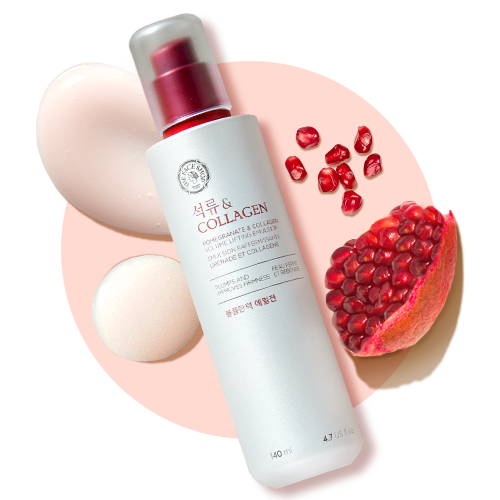
- Emulsions: Lightweight emulsions add a moisture seal without greasiness. Try Collagen & Pomegranate Volume Lifting Emulsion for a plumping effect.
Layering allows you to customize hydration levels for different areas - more on dry cheeks, less on the oily T-zone.
Ingredient Spotlight: What to Look for in Monsoon Serums
Not all serums are created equal. For Indian monsoon skin, prioritize these evidence-backed ingredients:
- Hyaluronic Acid: Attracts and retains water, plumping up dehydrated skin without heaviness.
- Niacinamide: Balances oil production, brightens uneven tone, and strengthens the skin barrier.
- Snail Mucin: Repairs, hydrates, and soothes irritation - ideal for post-acne marks and sensitivity.
- Centella Asiatica: Calms redness and supports barrier repair, especially after exposure to pollution or rainwater.
Look for serums that are fragrance-free and non-comedogenic for best results in humid Indian climates.
How to Choose the Right K-Beauty Serum for Your Skin Type
With so many options, how do you pick the right serum? Here’s a practical guide for Indian skin:
- Oily T-zone, dry cheeks: Use a hydrating serum (like hyaluronic acid) all over, then spot-treat oily areas with niacinamide.
- Sensitive or acne-prone: Opt for Centella Asiatica or snail mucin serums, which soothe and repair without clogging pores.
- Uneven tone or dullness: Try a brightening serum with niacinamide or vitamin C. For a gentle cleanse, start with Vitamin C Brightening Foaming Face Wash.
Always patch-test new products, especially during monsoon when skin is more reactive.
Smart Shopping: K-Beauty Serum Value in India (INR Guide)
Quality K-Beauty serums are now widely available in India, with prices ranging from INR 800 to INR 2,500. Here’s how to get the best value:
- Look for combo offers or 2 at 799 deals to maximize savings.
- Check for travel-sized kits if you’re new to K-Beauty and want to try before committing.
- Invest in multi-tasking serums (hydration + brightening) to streamline your routine.
Remember, a little goes a long way - most serums last 2-3 months with daily use, making them a smart investment for monsoon skin health.
Routine Builder: Step-by-Step Monsoon Skincare for Oily-Dehydrated Skin
Here’s a simple, effective routine tailored for Indian monsoon:
- Gentle Cleanser: Use a sulfate-free, pH-balanced face wash twice daily.
- Hydrating Toner: Pat on a watery toner to prep skin.
- Serum: Apply 2-3 drops of your chosen K-Beauty serum (hyaluronic acid, niacinamide, or snail mucin).
- Emulsion or Light Moisturizer: Seal in hydration with a lightweight emulsion.
- Sunscreen: Even on cloudy days, use a broad-spectrum SPF.
- Weekly Sheet Mask: Boost hydration and calm irritation with a sheet mask from the Masksheets collection.
Adjust the routine based on your skin’s daily needs - less layering on extra-humid days, more hydration if you’re in AC for long hours.
Real Results: What to Expect and What Not to Promise
With consistent use, most Indian users report:
- Less midday shine and fewer breakouts
- Smoother, plumper skin texture
- Reduced flakiness and tightness
- Brighter, more even skin tone
Limitations: Results depend on your overall routine, diet, and stress levels. Severe dehydration or persistent acne may need a dermatologist’s advice. K-Beauty serums are not overnight fixes - they work best with regular use and realistic expectations.
Quick Checklist: Monsoon Skin Survival for Combination Types
- Don’t skip hydration, even if your skin feels oily
- Choose lightweight, non-comedogenic serums
- Patch-test new products
- Use sunscreen daily
- Adjust your routine for changing weather and indoor AC exposure
Ready to try the K-Beauty approach? Explore the latest serum and mask launches from New B2g1 for monsoon-perfect skin.
FAQ
Why does my skin feel oily and dry at the same time during monsoon?
Indian monsoon humidity increases oil production, but frequent cleansing, pollution, and AC exposure can strip away moisture, leaving skin oily on the surface but dehydrated underneath.
Can I skip moisturizer if my skin is oily in monsoon?
No. Skipping moisturizer can worsen dehydration. Instead, use a lightweight, non-comedogenic serum or emulsion to hydrate without clogging pores.
Which K-Beauty serum is best for combination skin in Indian monsoon?
Look for serums with hyaluronic acid, niacinamide, or snail mucin. These ingredients hydrate, balance oil, and soothe irritation—ideal for India's humid climate.
How often should I use a serum during monsoon?
Apply serum twice daily after cleansing and toning. Adjust frequency if your skin feels too oily or if you’re in AC for long hours.
Are K-Beauty serums suitable for all Indian skin tones?
Yes. Most K-Beauty serums are formulated for sensitive and diverse skin types, making them suitable for the full range of Indian skin tones.