
Quick Summary
Discover why Indian skin feels both oily and dehydrated during monsoon, and how a targeted K-Beauty cleanser and serum routine can restore a balanced, non-sticky glow. Learn practical, evidence-led solutions for the Indian climate.
Every year, as the monsoon clouds roll over India, many of us notice a strange skin dilemma: our faces feel greasy yet oddly tight. If you’ve ever wondered why your skin acts up during the rains - and how to achieve that coveted glass skin glow without stickiness - this guide is for you. Let’s decode the science, bust myths, and build a practical K-Beauty routine tailored for Indian monsoon realities.
Why Does Skin Feel Both Oily and Tight During Monsoon?
It’s not your imagination. The Indian monsoon brings high humidity, but also fluctuating temperatures and pollution. Here’s what happens:
- Humidity triggers excess sebum: Your skin produces more oil to cope with the damp air.
- Dehydration lurks beneath: Humidity can disrupt your skin barrier, causing water loss even as your face looks shiny.
- Pollution and sweat: Increased grime and sweat can clog pores, making skin feel congested and sensitive.
According to dermatologists in Mumbai and Delhi, up to 60% of patients report both oiliness and dryness during monsoon months. This paradox is especially common for Indian skin types, which are naturally more prone to combination concerns.
Understanding the Science: The Skin Barrier in Indian Monsoon
Your skin barrier is the outermost layer that locks in moisture and keeps irritants out. During monsoon, frequent washing, harsh cleansers, and environmental stressors can weaken this barrier. The result? Skin that feels oily on the surface but tight or itchy underneath.
- Barrier repair is key: Look for ingredients like ceramides, rice water, and hyaluronic acid.
- Gentle cleansing: Avoid over-cleansing, which strips natural oils and worsens dehydration.
Indian studies show that barrier-supporting routines reduce both breakouts and sensitivity during humid months.
Common Mistakes: Why Typical Monsoon Routines Fail
Many Indians switch to harsh, foaming cleansers or skip moisturizer entirely during monsoon. Here’s why that backfires:
- Over-cleansing increases oiliness: Stripping the skin signals it to produce even more sebum.
- Skipping hydration leads to tightness: Without lightweight hydration, skin feels parched despite the humidity.
- Heavy creams clog pores: Thick, occlusive products can feel suffocating and cause breakouts.
Instead, a balanced approach - gentle cleansing plus targeted hydration - works best for Indian monsoon skin.
The K-Beauty Philosophy: Why It’s Perfect for Indian Monsoon Skin
Korean skincare, or K-Beauty, emphasizes gentle layering, barrier repair, and lightweight hydration. This philosophy aligns perfectly with Indian monsoon needs:
- Water-based formulas: Hydrate without heaviness or stickiness.
- Barrier-supporting ingredients: Rice water, ceramides, and niacinamide strengthen skin against humidity and pollution.
- Customizable routines: Adapt steps based on your skin’s daily needs.
For example, Best Korean Cleansers are formulated to cleanse gently while maintaining the skin’s natural pH, making them ideal for Indian weather.
Step 1: Choosing the Right Cleanser for Oily-Tight Monsoon Skin
Look for a cleanser that removes excess oil and pollution without stripping moisture. Consider these features:
- Low pH (5.5-6): Maintains barrier health.
- Rice water or gentle surfactants: Brighten and cleanse without irritation.
- Foam or gel texture: Effective for humid climates, easy to rinse.
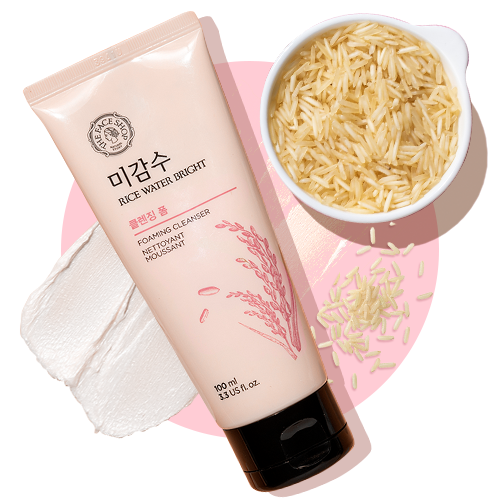
One standout is The Face Shop Rice Water Bright Cleansing Foam, which uses rice water and moringa oil to cleanse and brighten at an accessible INR price point. Indian users report clearer, softer skin within weeks of use.
Step 2: The Serum Solution - Hydration Without Stickiness
After cleansing, a lightweight serum can replenish lost moisture and target specific concerns. Look for:
- Hyaluronic acid: Attracts water to the skin without heaviness.
- Niacinamide: Controls oil, refines pores, and improves barrier function.
- Rice extract or snail mucin: Soothe, brighten, and hydrate - ideal for Indian humidity.
Layering a serum before moisturizer helps lock in hydration. For a non-sticky finish, avoid serums with heavy oils or silicones.
How to Build a Minimalist K-Beauty Routine for Monsoon
Indian monsoon skincare doesn’t need to be complicated. Here’s a simple, effective routine:
- Cleanser: Gentle, low pH, rice water-based.
- Hydrating toner (optional): Adds an extra layer of moisture.
- Serum: Lightweight, targeted for your concern.
- Emulsion or gel moisturizer: Seals in hydration without heaviness. Try Ceramide & Rice Moisturizing Emulsion (150ml) for a balance of moisture and comfort.
- Sunscreen (AM): Essential even on cloudy days.
Tip: Always patch test new products, especially during humid months when skin is more reactive.
Comparing Approaches: K-Beauty vs. Traditional Indian Remedies
Traditional Indian remedies like multani mitti (Fuller’s earth) and neem are popular for oily skin, but they can be drying or harsh if overused. K-Beauty routines offer:
- Consistent hydration: Prevents rebound oiliness.
- Barrier support: Reduces sensitivity and breakouts.
- Customizable steps: Adaptable for all Indian skin tones and types.
While natural remedies have their place, evidence suggests that modern, science-backed routines deliver more predictable results - especially in urban Indian environments.
What Does ‘Glass Skin’ Mean for Indian Monsoon?
Glass skin refers to a healthy, luminous complexion that looks hydrated but never greasy. In India’s monsoon, this means:
- Balanced oil and water: Skin feels comfortable, not sticky or tight.
- Even tone and texture: Fewer breakouts, less dullness.
- Adapted for humidity: Lightweight layers that breathe.
Achieving glass skin is possible for all Indian skin tones with the right cleanser-serum routine and consistent care.
Real Results: Indian User Experiences and Value for Money
Many Indian users report visible improvements in oil control, hydration, and overall skin comfort within 2-4 weeks of switching to a K-Beauty routine. For example, a 150ml tube of The Face Shop Rice Water Bright Cleansing Foam typically lasts 2-3 months and costs under INR 800 - making it a high-value investment compared to frequent salon treatments.
- Long-term savings: Quality K-Beauty products last longer and reduce the need for emergency fixes.
- Less trial and error: Evidence-based routines minimize wasted spend on unsuitable products.
Check out our Emulsion | Lotion & Moisturizers collection for more options tailored to Indian skin needs.
Mini-Checklist: How to Choose Your Monsoon Cleanser and Serum
- Is the cleanser low pH and free from harsh sulfates?
- Does the serum contain lightweight hydrators like hyaluronic acid or niacinamide?
- Are the products suitable for your skin type and Indian humidity?
- Is the price per use reasonable for your budget (INR 500–1000 for 2–3 months’ supply)?
- Have you patch tested for sensitivity?
Conclusion: Your Path to Balanced, Glowing Skin This Monsoon
The oily-tight skin paradox is a real challenge for Indian consumers, but it’s solvable with the right approach. By understanding your skin’s needs and choosing a gentle K-Beauty cleanser and serum routine, you can achieve a balanced, glass skin glow - rain or shine. Remember, consistency and evidence-led choices are your best allies this season.
FAQ
Why does my skin feel oily and tight at the same time during monsoon?
Indian monsoon humidity increases oil production, but frequent cleansing and pollution can disrupt your skin barrier, causing dehydration beneath the surface. This leads to skin that feels greasy yet tight or itchy.
Are K-Beauty cleansers suitable for Indian skin during the rainy season?
Yes, K-Beauty cleansers are formulated to be gentle, low pH, and effective at removing oil and pollution without stripping moisture, making them ideal for Indian monsoon conditions.
What ingredients should I look for in a monsoon serum?
Look for lightweight hydrators like hyaluronic acid, niacinamide, and rice extract. These ingredients hydrate without heaviness and help strengthen your skin barrier.
How do I avoid sticky or greasy skin when using serums in humidity?
Choose water-based serums and avoid heavy oils or silicones. Apply in thin layers and let each product absorb fully before adding the next.
Is it necessary to use moisturizer in the monsoon if my skin is oily?
Yes, even oily skin needs hydration. Opt for a lightweight emulsion or gel moisturizer to lock in moisture without clogging pores or feeling heavy.