
Quick Summary
Struggling with oily, sticky skin during the Indian monsoon? Dermatologists reveal why your routine may not work and how to choose the right cleansers and serums for humid weather.
Monsoon in India brings much-needed relief from the heat, but it also brings a wave of skincare frustrations. If your skin feels oilier, stickier, or more prone to breakouts despite your best efforts, you’re not alone. We asked dermatologists to answer the most common questions about monsoon skincare and to share practical, India-specific solutions for choosing the right cleansers and serums.
1. Why Does My Skin Feel Oily Even After Cleansing?
Expert insight: High humidity during the Indian monsoon increases sebum (oil) production, especially for combination and oily skin types. Even after cleansing, sweat and environmental pollutants can mix with sebum, making skin feel greasy again within hours.
- Tip: Avoid harsh cleansers with sulfates (SLS/SLES) that can strip your skin, causing rebound oiliness.
- Look for: Gentle foaming cleansers with ingredients like rice water, ceramides, or niacinamide. These help maintain the skin barrier while removing excess oil.
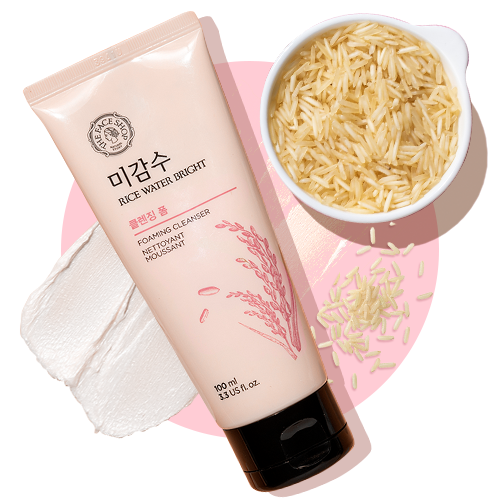
For example, The Face Shop Rice Water Bright Cleansing Foam is formulated to deeply cleanse without over-drying, making it ideal for humid Indian weather. At around INR 650 for 150 ml, it offers a balance of value and efficacy for daily use.
2. Why Does My Serum Feel Sticky or Heavy in Monsoon?
Expert insight: Many serums are designed for drier climates and can feel sticky or suffocating in high humidity. In India’s monsoon, lightweight, water-based serums absorb better and don’t leave a residue.
- Tip: Choose serums with humectants like glycerin or hyaluronic acid, and avoid heavy oils or silicones.
- Look for: Non-comedogenic, fast-absorbing formulas labeled as "non-sticky" or "oil-free."
Check the ingredient list for niacinamide or bisabolol, which help calm and hydrate skin without clogging pores, a must for Indian humidity.
3. How Often Should I Cleanse My Face During Monsoon?
Expert insight: Over-cleansing can disrupt your skin barrier, leading to irritation and even more oiliness. Dermatologists recommend cleansing twice daily, morning and night, for most Indian skin types.
- Use a gentle cleanser in the morning to remove sweat and overnight oil.
- At night, double cleanse if you wear sunscreen or makeup. Start with a mild cleansing oil or micellar water, followed by a foaming cleanser.
For those with sensitive or redness-prone skin, stick to fragrance-free, soap-free cleansers. The Face Shop Rice Water Bright Cleansing Foam (100 ml) is a travel-friendly option for on-the-go cleansing during unpredictable monsoon showers.
4. What Ingredients Should I Avoid in Monsoon Skincare?
Expert insight: Ingredients that are too occlusive or harsh can worsen breakouts and irritation in humid weather. Avoid:
- Heavy oils (like coconut oil) that can clog pores
- Alcohol-based toners that dry out skin
- Sulfates (SLS, SLES) and strong exfoliants
Instead, opt for products with ceramides, niacinamide, and pro-vitamin B5, which support the skin barrier and hydration without heaviness.
5. How Can I Prevent Monsoon Breakouts and Fungal Acne?
Expert insight: Monsoon humidity creates a breeding ground for bacteria and yeast, leading to breakouts and sometimes fungal acne. Key prevention strategies:
- Use a gentle, non-comedogenic cleanser twice daily.
- Incorporate a serum with niacinamide or salicylic acid (if not sensitive).
- Keep towels and pillowcases clean and dry - change them every 2-3 days during the monsoon.
Explore our Post Acne Marks collection for targeted solutions that address both active breakouts and lingering marks, with formulas suitable for Indian skin tones.
Key Takeaways: What Indian Dermatologists Want You to Know
- Humidity changes how your skin behaves - adapt your routine, don’t just add more products.
- Gentle cleansing and lightweight hydration are the foundation of effective monsoon skincare.
- Ingredient awareness is crucial: look for ceramides, niacinamide, and avoid pore-clogging oils.
- Consistency and simplicity win over complicated routines, especially in India’s unpredictable monsoon.
FAQ
Should I switch to a different cleanser during the monsoon?
Yes, if your current cleanser leaves your skin feeling tight or oily soon after washing, switch to a gentle, non-stripping foaming cleanser with ingredients like rice water or ceramides. These help balance oil without disrupting your skin barrier.
Are serums necessary in humid weather?
Serums can still benefit your skin in the monsoon, but choose lightweight, water-based formulas that absorb quickly. Avoid heavy or oily serums that can feel sticky in humidity.
How can I tell if a product is non-comedogenic?
Look for 'non-comedogenic' on the label, and check for lightweight ingredients like niacinamide or hyaluronic acid. Avoid products with heavy oils or waxes, especially during the monsoon.
Can I skip moisturizer if my skin feels oily?
No, skipping moisturizer can actually make your skin produce more oil. Instead, use a lightweight, gel-based moisturizer that hydrates without greasiness.
What’s the best way to treat post-monsoon acne marks?
Use targeted serums with niacinamide or vitamin C, and maintain a gentle cleansing routine. Explore our Post Acne Marks collection for solutions tailored to Indian skin.