
Quick Summary
Get dermatologist-backed answers to India's most common monsoon skincare questions. Learn how to pick cleansers, serums, and routines for glass skin, with practical tips for humid weather.
India's monsoon brings much-needed relief from the heat, but it also introduces unique skincare challenges. Increased humidity, pollution, and unpredictable weather can leave your skin oily, congested, or dull. We asked dermatologists to answer the most common monsoon skincare questions, focusing on cleansers, serums, and the coveted 'glass skin' look. Here’s your evidence-backed, India-specific guide to navigating the season with confidence.
1. Why does my skin feel oilier and more congested during the monsoon?
Hook: If your skin suddenly feels sticky or breaks out more during monsoon, you’re not alone. Dermatologists explain that high humidity increases sebum (oil) production, while sweat and pollution can clog pores. In cities like Mumbai and Kolkata, where humidity often exceeds 80%, these effects are even more pronounced.
- Humidity traps sweat and oil, leading to clogged pores and breakouts.
- Pollution particles stick to moist skin, increasing the risk of irritation and dullness.
- Air conditioning indoors can dehydrate skin, causing it to produce even more oil as compensation.
Tip: Adjust your routine with lighter, non-comedogenic products and cleanse twice daily to keep pores clear.
2. What makes a gentle Korean cleanser ideal for acne-prone skin in humid Indian weather?
Hook: Many believe harsh cleansers are best for oily skin, but dermatologists recommend gentle, low-pH Korean cleansers for monsoon. Why?
- Gentle cleansers maintain the skin’s natural barrier, preventing rebound oiliness.
- Low-pH formulas (around 5-5.5) help keep acne-causing bacteria in check.
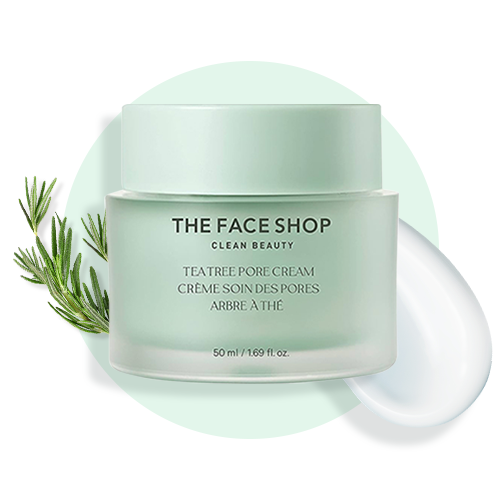
- Ingredients like tea tree oil and mild BHA provide gentle exfoliation without stripping skin.
For example, a lightweight cleansing oil can dissolve sunscreen and pollution, while a gel-based cleanser removes excess oil. This two-step approach is popular in K-beauty routines and works well for Indian monsoon conditions.
Mini-checklist:
- Look for sulfate-free, fragrance-free options.
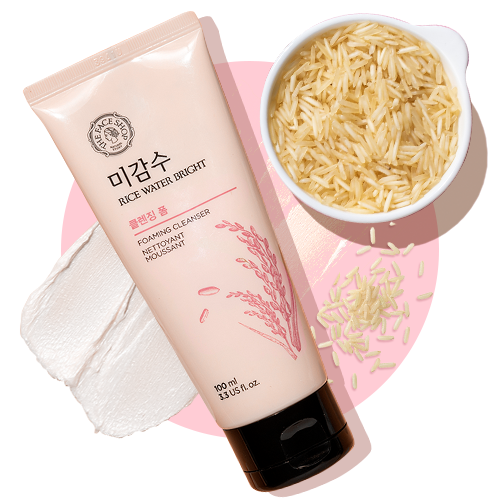
- Choose cleansers with soothing ingredients like rice water or centella.
- Avoid over-cleansing, which can trigger more oil production.
3. How do I choose the right serum for glass skin in the monsoon?
Hook: Achieving glass skin - a smooth, luminous, hydrated look - is possible even in humid weather, but the right serum is key.
- Opt for lightweight, water-based serums that absorb quickly and don’t leave a sticky finish.
- Look for ingredients like niacinamide (for oil control and brightening), vitamin C (for pigmentation), and hyaluronic acid (for hydration).
- In India, serums with niacinamide and vitamin C are widely available and suit most skin tones.
For example, layering a vitamin C serum in the morning and a niacinamide serum at night can help even out skin tone and boost radiance. Always patch-test new serums, especially if you have sensitive skin.
Counterintuitive fact: Even oily skin needs hydration. Skipping hydrating serums can make skin produce more oil.
4. Can I use oil cleansers or emulsions in the monsoon, or will they make me break out?
Hook: Many Indians avoid oil-based products in humid weather, fearing breakouts. But dermatologists clarify that not all oils are comedogenic (pore-clogging).
- Lightweight cleansing oils, like those with rice bran, can effectively remove waterproof sunscreen and pollution.
- Emulsions are lighter than creams and provide hydration without heaviness - ideal for monsoon.
Try a rice water cleansing oil followed by a gentle foaming cleanser for a thorough yet non-stripping cleanse. For hydration, a ceramide and rice emulsion can strengthen your skin barrier without feeling greasy.
Pro tip: Always double cleanse at night if you wear sunscreen or makeup, even in humid weather.
5. What are the most common monsoon skincare myths in India?
Hook: Misconceptions can sabotage your routine. Here are the top myths, debunked by dermatologists:
-
Myth: Oily skin doesn’t need moisturizer in the monsoon.
Fact: Skipping moisturizer can worsen oiliness and breakouts. Choose lightweight, gel-based formulas. -
Myth: You don’t need sunscreen on cloudy days.
Fact: Up to 80% of UV rays penetrate clouds. Use a broad-spectrum sunscreen daily. -
Myth: More cleansing equals clearer skin.
Fact: Over-cleansing strips the barrier, leading to irritation and more oil production.
India-specific example: In Delhi, pollution levels spike during monsoon. Gentle cleansing and antioxidant serums help combat environmental stressors.
6. How do I tweak my routine for different Indian cities and skin types?
Hook: Monsoon humidity varies across India, so your routine should too.
- Mumbai/Kolkata (high humidity): Focus on lightweight, mattifying products. Use hydrating serums and oil-free moisturizers.
- Delhi/Bangalore (variable humidity and pollution): Add antioxidant serums and double cleanse to remove pollutants.
- Dry or combination skin: Layer hydrating toners and emulsions. Avoid heavy creams.
- Oily/acne-prone skin: Use gel cleansers, niacinamide serums, and non-comedogenic moisturizers.
Mini-routine for glass skin in the monsoon:
- Gentle cleanser (morning and night)
- Hydrating toner or essence
- Lightweight serum (vitamin C or niacinamide)
- Oil-free moisturizer or emulsion
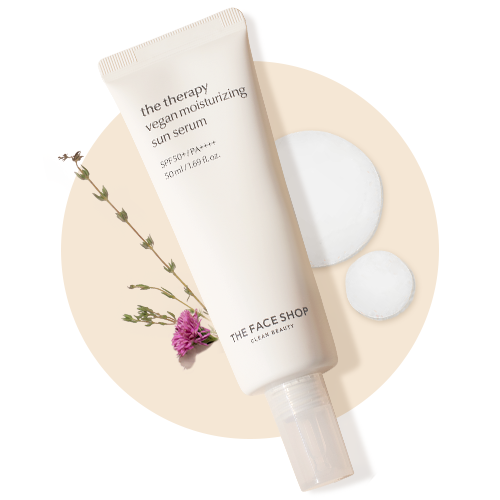
- Broad-spectrum sunscreen (even on cloudy days)
7. What are the biggest mistakes Indians make with serums and layering in humid weather?
Hook: Layering serums can transform your skin, but common mistakes can cause pilling, greasiness, or breakouts.
- Using too many actives at once (e.g., vitamin C, AHA, retinol) can irritate skin. Stick to one or two key serums.
- Applying serums on dry skin reduces absorption. Always apply on slightly damp skin for best results.
- Skipping moisturizer after serum can leave skin feeling tight or dehydrated, even in humidity.
India-specific tip: If you’re on a budget, look for multi-tasking serums with both brightening and hydrating ingredients. Many K-beauty options are available in India for under INR 1500.
Bonus: How to shop smart for monsoon skincare in India
Hook: With so many options, how do you choose the right products for your budget and skin type?
- Look for value bundles or seasonal offers, such as the 2 at 799 collection, to try multiple products affordably.
- Check for ingredient transparency and patch test before full use.
- Prioritize essentials: a gentle cleanser, hydrating serum, lightweight moisturizer, and sunscreen.
For those seeking barrier repair, the Ceramide & Rice Lightweight Emulsion offers hydration without heaviness - ideal for the Indian monsoon.
FAQs: Your Monsoon Skincare Questions Answered
- Can I skip moisturizer if my skin is oily during the monsoon?
- No. Skipping moisturizer can trigger more oil production. Use a lightweight, gel-based formula.
- Is double cleansing necessary if I don’t wear makeup?
- Yes, especially if you use sunscreen or live in a polluted city. Double cleansing removes all residue and prevents clogged pores.
- How often should I exfoliate during the monsoon?
- 1-2 times a week with a gentle chemical exfoliant is enough. Over-exfoliation can damage your skin barrier.
- What’s the best way to layer serums in humid weather?
- Apply the thinnest, water-based serum first on damp skin, followed by thicker serums or emulsions. Always finish with moisturizer and sunscreen.
- Are K-beauty products suitable for Indian skin tones and concerns?
- Yes. K-beauty focuses on gentle, effective ingredients that suit a wide range of Indian skin tones and concerns, from pigmentation to oiliness.
FAQ
Can I skip moisturizer if my skin is oily during the monsoon?
No. Skipping moisturizer can trigger more oil production. Use a lightweight, gel-based formula.
Is double cleansing necessary if I don’t wear makeup?
Yes, especially if you use sunscreen or live in a polluted city. Double cleansing removes all residue and prevents clogged pores.
How often should I exfoliate during the monsoon?
1-2 times a week with a gentle chemical exfoliant is enough. Over-exfoliation can damage your skin barrier.
What’s the best way to layer serums in humid weather?
Apply the thinnest, water-based serum first on damp skin, followed by thicker serums or emulsions. Always finish with moisturizer and sunscreen.
Are K-beauty products suitable for Indian skin tones and concerns?
Yes. K-beauty focuses on gentle, effective ingredients that suit a wide range of Indian skin tones and concerns, from pigmentation to oiliness.