
Quick Summary
Is your glass skin routine turning sticky in the Indian monsoon? Discover why this happens and get practical, lightweight skincare tips, product picks, and application hacks for a non-sticky glow.
Have you noticed your skin feeling sticky, heavy, or greasy just as the monsoon hits? If your glass skin routine leaves you glowing in winter but sticky in June, you’re not alone. Indian humidity brings unique challenges, especially for those chasing that luminous, poreless look. Let’s break down why this happens and how you can tweak your routine for a comfortable, non-sticky glow all season.
Why Monsoon Humidity Wrecks Your Glass Skin Routine
Monsoon air in India is saturated with moisture, often pushing humidity above 80%. This means sweat and sebum production increase, while skin struggles to absorb heavy products. The result? Clogged pores, breakouts, and a sticky film that ruins your glass skin goals.
- Fact: Dermatologists in Mumbai and Kolkata report a 30% spike in oily skin complaints during monsoon months (source: Indian Journal of Dermatology).
- Layering rich creams or multiple serums can trap sweat and oil, making skin feel suffocated.
- Traditional glass skin routines, often designed for dry Korean winters, can overwhelm Indian skin in June-September.
Key takeaway: The right products and techniques make all the difference in humid climates.
Lightweight Cleansers: The Foundation of Non-Sticky Skin
Start with a gentle, non-stripping cleanser that removes sweat, pollution, and excess oil without drying you out. Avoid harsh foaming agents or heavy balms that leave residue.
- Look for formulas with rice water, PHAs, or papaya enzyme for gentle exfoliation and brightening.
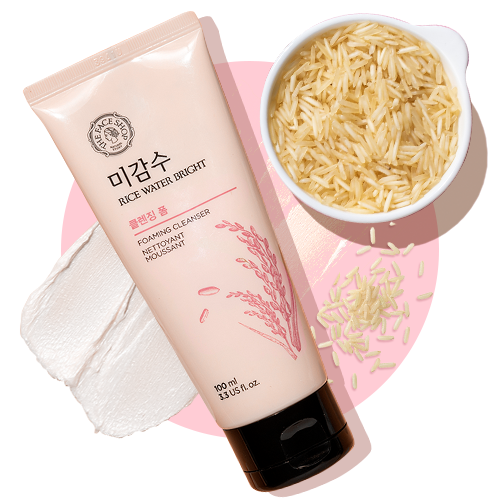
- Try Rice Water Bright Cleansing Foam from The Face Shop - it’s a cult favorite for Indian monsoons, offering effective cleansing with natural rice extracts.
- Price tip: At around INR 650 for 150ml, it’s a value buy compared to imported K-beauty cleansers.
Pro tip: Cleanse twice daily, but avoid over-washing, which can trigger rebound oiliness.
Serums and Essences: Hydration Without the Heaviness
Skip thick serums in favor of water-light formulas with actives like Niacinamide, Vitamin C, or peptides. These ingredients brighten, control oil, and support barrier repair without clogging pores.
- Layer a Vitamin C serum in the morning for antioxidant protection and glow. Explore our Vitamin C Serum collection for options suited to Indian humidity.
- For night, try a peptide serum to boost repair and elasticity. See our Peptide Serum picks for lightweight, fast-absorbing choices.
- Fact: Indian skin often shows better tolerance to serums with PHAs or Niacinamide in humid weather versus AHAs, which can feel sticky.
Application hack: Pat serums onto damp skin for faster absorption and less residue.
Moisturizers: Emulsions Over Creams for Monsoon Comfort
Heavy creams can suffocate skin in high humidity. Instead, opt for emulsions - these are lightweight, milky moisturizers that hydrate without greasiness.
- Ceramide & Rice Lightweight Emulsion is ideal for Indian monsoons. It repairs the skin barrier and locks in moisture, yet feels weightless.
- INR value: At about INR 900 for 150ml, emulsions last longer and feel fresher than traditional creams.
- Counterintuitive fact: Skipping moisturizer can actually make skin oilier, as the skin overcompensates for lost hydration.
Mini-checklist for moisturizer selection:
- Look for “oil-free” or “non-comedogenic” labels
- Choose gel or emulsion textures
- Avoid petrolatum or heavy butters
Sunscreen: Non-Sticky Protection for Cloudy Days
Don’t skip sunscreen just because it’s cloudy. UV rays penetrate clouds and can worsen pigmentation, especially on Indian skin tones. The trick is to pick a non-greasy, mattifying formula.
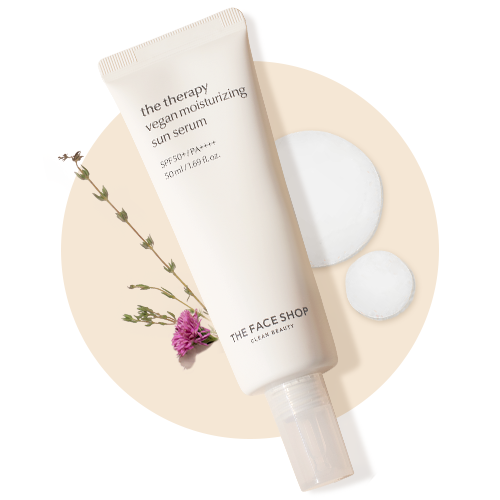
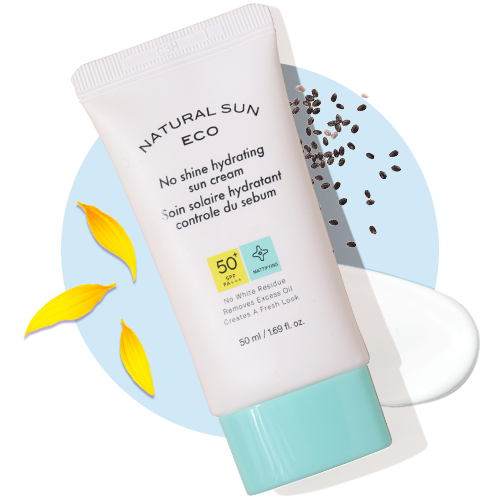
- Try NaturalSun Eco No Shine Hydrating Sun Cream for a shine-free finish that won’t clog pores.
- Fact: 70% of Indian consumers surveyed by Nykaa reported skipping sunscreen in monsoon due to stickiness - but this increases risk of dullness and spots.
- Look for PA+++ or higher for broad-spectrum protection.
Application tip: Apply sunscreen as the last step, and reapply every 3-4 hours if outdoors.
Smart Layering: Less Is More in Monsoon
Layering too many products is a common glass skin mistake in humid weather. Instead, simplify:
- Cleanser → Lightweight serum → Emulsion → Sunscreen (AM)
- Cleanser → Serum → Emulsion (PM)
Skip toners with alcohol or astringents, which can irritate and trigger more oil. If you love toners, choose hydrating, alcohol-free mists.
Trade-off: Fewer layers mean less risk of pilling and stickiness, but you may need to rotate actives (like Vitamin C in the morning, peptides at night) for best results.
Ingredient Spotlight: What Works (and What Doesn’t) in Indian Humidity
Some ingredients shine in the monsoon, while others can backfire:
- Best for monsoon: Niacinamide, PHAs, rice extract, hyaluronic acid, Centella Asiatica
- Use with caution: Heavy oils, petrolatum, shea butter, strong AHAs
- Counterintuitive tip: Clay masks can help control oil but overuse may dehydrate skin, triggering more sebum.
Fact: Indian skin is more prone to post-inflammatory hyperpigmentation, so gentle actives and consistent sunscreen are key.
Common Mistakes: Busting Monsoon Skincare Myths
Let’s clear up some persistent myths:
-
Myth: Oily skin doesn’t need moisturizer in monsoon.
Truth: Skipping moisturizer can worsen oiliness and breakouts. -
Myth: You can skip sunscreen on rainy days.
Truth: UV rays still cause damage, even on cloudy days. -
Myth: More products mean better glass skin.
Truth: Over-layering leads to congestion and stickiness in humid weather.
Pro tip: Listen to your skin - if it feels heavy, simplify your routine.
Routine Tweaks for Different Indian Regions
India’s climate varies: Mumbai and Chennai face near year-round humidity, while Delhi or Bengaluru see seasonal spikes. Adjust your routine:
- Coastal cities: Stick to gels and emulsions, use blotting papers, and cleanse twice daily.
- Inland cities: You may tolerate slightly richer serums but still avoid heavy creams in July-September.
- For body care, switch to lightweight lotions from our Body Lotion / Moisturizer for Dry Skin collection to avoid back and chest breakouts.
Fact: Over 60% of Indian consumers in humid regions report better skin comfort after switching to lighter routines (source: Nykaa consumer survey, 2023).
Quick Recap: Your Monsoon Glass Skin Checklist
- Gentle, non-stripping cleanser
- Lightweight, hydrating serum (Vitamin C or Niacinamide)
- Emulsion or gel moisturizer
- Non-sticky, mattifying sunscreen
- Minimal layering, focus on comfort
Remember: The best glass skin is healthy, comfortable skin - even in the stickiest weather.
FAQ
Why does my skin feel sticky after my usual glass skin routine during monsoon?
High humidity in India increases sweat and oil production, making heavy products sit on the skin instead of absorbing. This leads to a sticky, greasy feeling. Switching to lightweight, water-based products can help.
Can I skip moisturizer if my skin is oily in the monsoon?
No. Skipping moisturizer can make your skin produce even more oil. Use a lightweight emulsion or gel moisturizer to keep skin hydrated without feeling greasy.
Is sunscreen necessary on cloudy or rainy days in India?
Absolutely. UV rays penetrate clouds and can cause pigmentation and premature aging. Choose a non-sticky, mattifying sunscreen for daily use, even in monsoon.
What ingredients should I avoid in my monsoon skincare routine?
Avoid heavy oils, petrolatum, strong AHAs, and thick creams. These can clog pores and worsen stickiness. Instead, use Niacinamide, PHAs, and rice extract for gentle care.
How should I adjust my routine if I live in a coastal Indian city?
Stick to gel or emulsion textures, cleanse twice daily, and use blotting papers for excess oil. Avoid layering too many products and always use sunscreen.