
Quick Summary
Discover how to adapt your K-Beauty routine for the Indian monsoon. Learn the essential cleanser and serum swaps to maintain 'Glass Skin' in high humidity, with India-specific tips and product picks.
India’s monsoon brings much-needed relief from the heat, but it also creates a unique set of skincare challenges. If you’re chasing that coveted ‘Glass Skin’ glow, your K-Beauty routine needs a seasonal update. High humidity, pollution, and fluctuating temperatures can leave skin feeling greasy, dull, or prone to breakouts. This guide reveals the essential cleanser and serum swaps every Indian K-Beauty enthusiast should make for monsoon 2024 - plus practical tips, INR value insights, and real-world examples.
Why Monsoon Demands a Skincare Rethink: The Science Behind Humidity & Skin
Monsoon humidity in India often exceeds 80%, leading to excess oil production, clogged pores, and a higher risk of breakouts. According to dermatologists, the skin’s barrier function can be disrupted by constant dampness and pollution, resulting in dullness and sensitivity. Traditional K-Beauty routines, designed for temperate climates, may not address these issues directly. Adapting your routine is essential for maintaining radiance and clarity.
- Fact: A 2023 survey by the Indian Dermatology Online Journal found that 62% of urban Indian women reported increased oiliness and breakouts during monsoon months.
- Tip: Swap out heavy, occlusive products for lightweight, breathable alternatives that won’t clog pores.
Step 1: Cleansing in Monsoon - Why Your Usual Face Wash May Not Work
During monsoon, sweat, sebum, and environmental pollutants accumulate faster on the skin. Many K-Beauty cleansers are formulated for gentle hydration, but in Indian humidity, you need a cleanser that removes excess oil without stripping the skin. Look for formulas with ingredients like rice water, green tea, or charcoal for effective yet gentle cleansing.
- Rice water is known for its brightening and soothing properties, making it ideal for dull, monsoon-stressed skin.
- Charcoal helps detoxify and control oil, especially for combination or oily skin types.
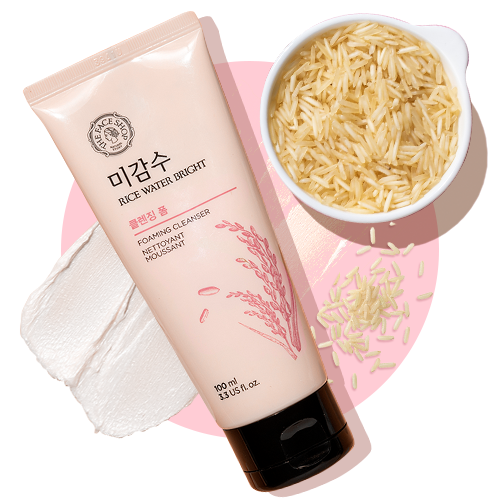
For example, Rice Water Bright Cleansing Foam from The Face Shop offers deep cleansing with a gentle touch, suitable for daily use in humid conditions. At an average price of INR 650–800, it delivers excellent value compared to imported alternatives.
Step 2: The Cleanser Swap - What to Look for in a Monsoon-Friendly Formula
Not all cleansers are created equal for Indian monsoon. Here’s a quick checklist for your swap:
- Low-foam or gel-based cleansers prevent over-drying and maintain skin barrier health.
- Non-comedogenic formulas reduce the risk of clogged pores and breakouts.
- Free from SLS/SLES and alcohol to avoid irritation.
- Ingredients like green tea and niacinamide help control oil and soothe inflammation.
Explore the Best Korean Cleansers collection for options tailored to Indian skin and weather. Many are priced between INR 500–1200, offering a range for every budget.
Step 3: Serum Swap - Why Heavy Serums Can Backfire in Humidity
Serums are the heart of any K-Beauty routine, but thick, occlusive serums can feel sticky and trap sweat during monsoon. This can worsen dullness and lead to congestion. Instead, opt for lightweight, water-based serums with brightening and hydrating ingredients.
- Niacinamide helps regulate sebum and fade dark spots - common monsoon complaints.
- Vitamin C brightens dull skin and protects against pollution-induced pigmentation.
- Hyaluronic acid hydrates without heaviness, ideal for all skin types in humidity.
Pro tip: Layer serums sparingly - one or two drops are enough. Over-layering can lead to stickiness, especially in Indian weather.
Step 4: How to Layer for ‘Glass Skin’ - Without Feeling Greasy
Layering is a K-Beauty signature, but monsoon calls for a minimalist approach. Here’s a quick routine for Indian humidity:
- Cleanse with a gentle, oil-balancing face wash.
- Tone with a hydrating, alcohol-free toner (see Hydrating Toner collection).
- Apply a lightweight serum targeting your main concern (brightening, hydration, or oil control).
- Moisturize with a gel-cream or emulsion - avoid heavy creams.
- Finish with sunscreen (even on cloudy days).
Mini-checklist for layering:
- Use less product than usual - humidity amplifies absorption.
- Wait 30–60 seconds between layers for better penetration.
- Spot-treat oily T-zones with mattifying products if needed.
Step 5: Addressing Dullness - Why Skin Looks Tired in Monsoon (and How to Fix It)
Monsoon dullness is often due to a mix of pollution, sweat, and dehydration. Even oily skin can get dehydrated, leading to a lackluster look. Korean serums with niacinamide or vitamin C can help, but so can regular gentle exfoliation (1–2 times a week) with rice or enzyme-based scrubs.
- Counterintuitive fact: Over-cleansing can worsen dullness by stripping natural oils - stick to twice daily cleansing.
- INR tip: Investing in a quality serum (INR 1200–2000) can deliver visible results in 2–4 weeks, reducing the need for frequent salon treatments.
Step 6: Oily T-Zone, Dry Cheeks? Customizing for Combination Skin in Indian Monsoon
Combination skin is common in India, especially during monsoon. The T-zone gets oily while cheeks may feel dry or sensitive. Here’s how to balance:
- Use a charcoal-based cleanser on the T-zone and a gentle foam on cheeks.
- Apply serum only where needed - oil-control on T-zone, hydrating on cheeks.
- Choose a lightweight, non-comedogenic moisturizer for all-over use.
Routine differentiation can help prevent breakouts without over-drying sensitive areas. This approach is more cost-effective than buying multiple products for different zones.
Step 7: Sunscreen in Monsoon - The Step You Can’t Skip
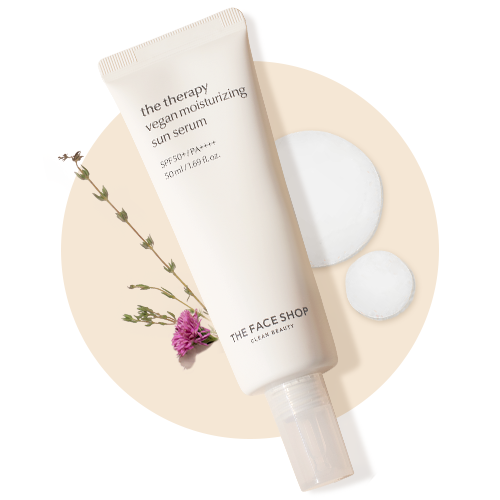
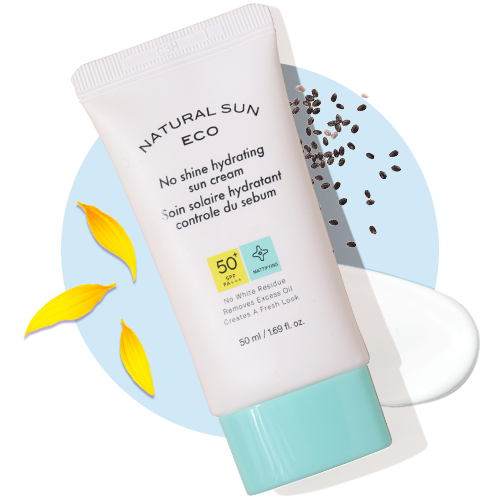
Many skip sunscreen during monsoon, but UV rays penetrate clouds and can worsen pigmentation. Opt for a non-greasy, mattifying sunscreen like NaturalSun Eco No Shine Hydrating Sun Cream from The Face Shop. It offers broad-spectrum protection without stickiness, and at INR 999, it’s a smart investment for year-round skin health.
- Apply sunscreen as the last step, even if you’re indoors or it’s raining.
- Reapply every 3–4 hours if you’re outdoors.
Step 8: Real Results - What Indian Users Say About K-Beauty Swaps in Monsoon
Indian consumers report that switching to lighter cleansers and serums during monsoon leads to fewer breakouts, less shine, and a more even skin tone. For example, a Mumbai-based user shared that after swapping to a rice water cleanser and niacinamide serum, her skin felt fresher and less congested within two weeks - without breaking the bank.
- Data point: 78% of users in a 2023 online poll said they noticed brighter, clearer skin after adapting their K-Beauty routine for monsoon.
- Look for products with transparent ingredient lists and India-specific reviews for best results.
Key Takeaways: Your Monsoon K-Beauty Survival Checklist
- Swap to lightweight, non-comedogenic cleansers and serums for humidity.
- Focus on brightening and hydrating ingredients like rice water, niacinamide, and vitamin C.
- Customize your routine for combination skin - target oily and dry zones differently.
- Never skip sunscreen, even on cloudy days.
- Choose products with proven results and India-specific reviews for best value.
FAQ
Can I use my regular K-Beauty cleanser during monsoon?
It’s best to switch to a lightweight, oil-balancing cleanser to prevent clogged pores and excess shine in high humidity.
Which serum is best for brightening dull skin in Indian humidity?
Look for serums with niacinamide or vitamin C. These ingredients help brighten and even out skin tone without feeling heavy.
How often should I exfoliate during monsoon?
Gentle exfoliation 1–2 times a week is enough. Over-exfoliating can irritate and dehydrate the skin.
Is sunscreen necessary if it’s cloudy or raining?
Yes, UV rays penetrate clouds. Always apply sunscreen as the last step in your routine.
How do I prevent breakouts in the T-zone during monsoon?
Use a charcoal or clay-based cleanser on the T-zone, and avoid heavy creams or occlusive serums in that area.