
Quick Summary
Confused about the right cleanser and serum order for glass skin during the Indian monsoon? Dermatologists reveal the optimal routine, common mistakes, and India-specific tips for flawless, dewy skin.
Monsoon in India brings relief from the heat, but also a surge in humidity, breakouts, and confusion about the right skincare routine. If you’re chasing the coveted 'glass skin' look, the order in which you layer your cleansers and serums during monsoon can make or break your results. We asked leading dermatologists to answer your most pressing questions and share evidence-backed, India-specific advice for flawless, dewy skin all season.
1. Why Does Monsoon Demand a Different Skincare Order?
Hook: Did you know that following your winter routine during monsoon could actually worsen oiliness and breakouts?
India’s monsoon season is marked by high humidity and frequent rain, which can disrupt your skin’s natural barrier. Dermatologists explain that excess moisture in the air can lead to clogged pores, increased sebum production, and a higher risk of fungal acne. This means your usual layering order may not deliver the 'glass skin' effect you want.
- Key fact: According to a 2023 survey by the Indian Association of Dermatologists, over 60% of urban Indians report increased skin sensitivity and oiliness during monsoon.
- Practical tip: Switch to lightweight, non-comedogenic products and adjust your routine order for better absorption.
2. What Is the Correct Monsoon Skincare Layering Order?
Hook: The right sequence can boost your serum’s effectiveness by up to 30% (source: Healthline, 2022).
For glass skin during monsoon, dermatologists recommend this order:
- Gentle Cleanser: Use a sulfate-free, hydrating cleanser to remove sweat, oil, and pollutants without stripping your skin.
- Hydrating Toner: Apply a lightweight toner to balance pH and prep skin for actives. Try Ceramide & Rice Moisturizing Toner for a boost of hydration.
- Serum(s): Layer water-based serums first (like hyaluronic acid or niacinamide), then oil-based if needed. For targeted care, explore our Vitamin C Serum collection for brightening.
- Moisturizer: Choose a gel or emulsion formula. Ceramide & Rice Moisturizing Emulsion is ideal for humid weather.
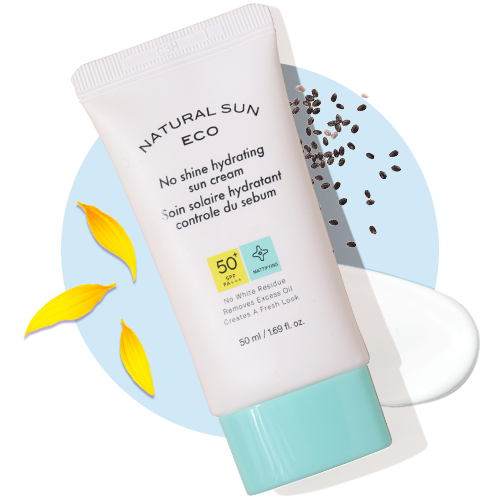
- Sunscreen: Even on cloudy days, UV rays penetrate. Use a non-greasy formula like NaturalSun Eco No Shine Hydrating Sun Cream.
Mini-checklist:
- Always apply products from thinnest to thickest texture.
- Allow each layer to absorb for 30-60 seconds.
3. Common Mistakes Indians Make with Monsoon Layering
Hook: Are you using your serum before your skin is dry? That could be sabotaging your glow.
- Skipping toner: Many skip toner, but it helps serums penetrate better, especially in humid climates.
- Overusing actives: Layering too many actives (like vitamin C and retinol together) can cause irritation in monsoon’s sticky weather.
- Not adjusting for humidity: Heavy creams can clog pores. Opt for gel-based or emulsion moisturizers instead.
- Applying products on wet skin: Some serums (like vitamin C) work best on dry skin, while hyaluronic acid prefers damp skin. Check your product instructions.
Counterintuitive fact: Using less product in monsoon can actually improve absorption and reduce breakouts.
4. K-Beauty Routine Order: Does It Work for Indian Monsoon?
Hook: K-beauty routines are trending, but should you follow the classic 10-step order in India’s monsoon?
While the K-beauty routine emphasizes layering for hydration and glow, Indian dermatologists suggest simplifying during monsoon. Focus on:
- Double cleansing only if you wear heavy sunscreen or makeup.
- Using a single hydrating serum (like hyaluronic acid or peptides) instead of multiple layers.
- Skipping occlusive creams and opting for lightweight emulsions.
For a K-beauty-inspired yet monsoon-friendly routine, explore Peptide Serum options for plump, dewy skin without heaviness.
India-specific tip: Many Indian skin tones are prone to post-inflammatory hyperpigmentation. Vitamin C serums can help, but always follow with sunscreen.
5. How to Layer Serums for Glass Skin in Humid Weather
Hook: Layering serums correctly can mean the difference between glass skin and greasy skin.
- Step 1: Apply water-based serums (like hyaluronic acid) on damp skin for maximum hydration.
- Step 2: Wait 30 seconds, then apply treatment serums (like niacinamide or vitamin C).
- Step 3: If using an oil-based serum, apply last before moisturizer.
Pro tip: In India, layering more than two serums can overwhelm skin in humid weather. Stick to one or two targeted serums for best results.
Value framing: Many effective serums are available in India for under INR 800, making it affordable to build a results-driven routine.
6. Dermatologist-Recommended Ingredients for Monsoon Layering
Hook: Not all hydrating ingredients are created equal - some can actually worsen oiliness in monsoon.
- Hyaluronic Acid: Attracts water to the skin, but must be sealed with a moisturizer to prevent dehydration in humid weather.
- Niacinamide: Controls oil and soothes redness, ideal for Indian skin prone to breakouts.
- Ceramides: Strengthen the skin barrier, especially after exposure to pollution and rainwater.
- Vitamin C: Brightens and protects against pigmentation, but always pair with sunscreen.
India-specific data: A 2022 Nykaa survey found that 70% of Indian consumers prefer fragrance-free, paraben-free products during monsoon for reduced irritation.
7. How to Choose Products for Your Skin Type and Budget
Hook: You don’t need to splurge to get glass skin - smart choices matter more than expensive products.
- Oily/Combination Skin: Look for gel cleansers, lightweight serums, and oil-free moisturizers. The Ceramide & Rice Moisturizing Emulsion is a top pick under INR 900.
- Dry Skin: Use hydrating toners and richer emulsions. Avoid foaming cleansers that strip moisture.
- Sensitive Skin: Choose fragrance-free, minimal-ingredient formulas. Always patch test new serums.
Budget tip: Many high-performing serums and moisturizers are available in India for INR 500–1500. Prioritize ingredients over brand hype.
8. Realistic Expectations: What Glass Skin Means for Indian Skin Tones
Hook: Glass skin isn’t about fairness - it’s about healthy, luminous skin at any shade.
Dermatologists clarify that 'glass skin' refers to smooth, hydrated, and even-toned skin, not a specific color or texture. In India, pollution, hard water, and sun exposure can affect results. Consistency and patience are key. Expect visible improvement in glow and texture within 4–6 weeks of following the right layering order.
- Limitation: Genetics, diet, and lifestyle also play a role. No routine can guarantee poreless skin, but you can achieve a healthy, radiant look with the right approach.
FAQs: Monsoon Skincare Layering in India
- 1. Can I skip moisturizer in humid monsoon weather?
- No. Even oily skin needs hydration. Use a lightweight emulsion or gel moisturizer to prevent dehydration and balance oil.
- 2. Should I use sunscreen on cloudy monsoon days?
- Yes. UV rays penetrate clouds and can cause pigmentation. Opt for a non-greasy sunscreen like NaturalSun Eco No Shine Hydrating Sun Cream.
- 3. How often should I exfoliate during monsoon?
- Limit exfoliation to once a week. Over-exfoliating can damage your skin barrier, especially in humid weather.
- 4. Can I layer multiple serums in monsoon?
- Stick to one or two targeted serums. Too many layers can clog pores and cause breakouts in Indian humidity.
- 5. Are K-beauty routines safe for Indian skin during monsoon?
- Yes, but simplify the steps. Focus on hydration and barrier repair, and avoid heavy creams or oils.
FAQ
Can I skip moisturizer in humid monsoon weather?
No. Even oily skin needs hydration. Use a lightweight emulsion or gel moisturizer to prevent dehydration and balance oil.
Should I use sunscreen on cloudy monsoon days?
Yes. UV rays penetrate clouds and can cause pigmentation. Opt for a non-greasy sunscreen like NaturalSun Eco No Shine Hydrating Sun Cream.
How often should I exfoliate during monsoon?
Limit exfoliation to once a week. Over-exfoliating can damage your skin barrier, especially in humid weather.
Can I layer multiple serums in monsoon?
Stick to one or two targeted serums. Too many layers can clog pores and cause breakouts in Indian humidity.
Are K-beauty routines safe for Indian skin during monsoon?
Yes, but simplify the steps. Focus on hydration and barrier repair, and avoid heavy creams or oils.