
Quick Summary
Many common monsoon skincare habits can secretly harm Indian skin. Discover dermatologist-backed K-Beauty tips, avoid costly mistakes, and choose the right cleansers and serums for healthy, glowing skin this rainy season.
Monsoon brings relief from the scorching Indian summer, but it also unleashes a unique set of skin challenges. Many well-intentioned skincare habits can actually worsen your skin during this season. Backed by dermatologist insights and K-Beauty principles, this guide will help you avoid common monsoon skincare mistakes and build a routine that truly works for Indian skin.
1. The Hidden Dangers of Over-Cleansing in Humid Weather
Hook: Did you know that washing your face too often can trigger more oil and breakouts during the monsoon?
Increased humidity and sweat make it tempting to wash your face multiple times a day. However, dermatologists warn that over-cleansing strips away your skin’s natural barrier, leading to rebound oiliness and irritation. Indian skin, which is often combination or oily, becomes even more prone to monsoon breakouts when its barrier is compromised.
- Stick to cleansing twice daily - morning and night.
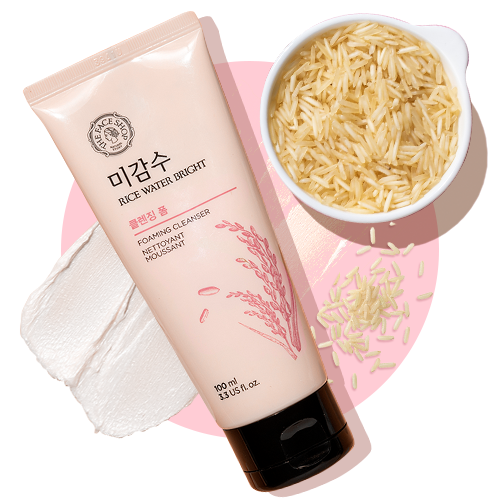
- Choose gentle, pH-balanced cleansers. K-Beauty favorites like Rice Water Bright Cleansing Foam offer deep cleansing without stripping moisture.
- Look for ingredients like rice water, tea tree, or charcoal for oily skin, but avoid harsh sulfates.
Pro tip: If you need a midday refresh, use a hydrating toner or splash with plain water instead of a full cleanse.
2. Myth-Busting: Skipping Moisturizer Is Not the Answer
Hook: Many believe moisturizers are unnecessary in the sticky monsoon. The truth? Skipping them can worsen dehydration and oiliness.
Humidity tricks your skin into feeling hydrated, but air conditioning, pollution, and rainwater can actually dehydrate your skin barrier. Dermatologists recommend using lightweight, non-comedogenic moisturizers - especially gel-based formulas with hyaluronic acid or centella asiatica. These hydrate without clogging pores or feeling greasy.
- Choose water-based or gel creams for INR 500–1500 for best value.
- Apply moisturizer on damp skin to lock in hydration.
Remember: Well-hydrated skin is less likely to overproduce oil or develop monsoon breakouts.
3. The Double Cleansing Debate: Is It Right for Indian Monsoon Skin?
Hook: Double cleansing is a K-Beauty staple, but is it overkill for Indian skin in the rainy season?
Double cleansing - using an oil-based cleanser followed by a water-based one - removes sunscreen, makeup, and pollution. For most Indian skin types, especially in urban areas with high pollution, this method is beneficial during monsoon evenings. However, if your skin is dry or sensitive, stick to a single gentle cleanser.
- Oily/combination skin: Try a lightweight cleansing oil followed by a gentle foam like Rice Water Bright Cleansing Foam.
- Dry/sensitive skin: Use a single, hydrating cleanser.
Trade-off: Double cleansing adds a step but ensures thorough removal of grime, reducing clogged pores and breakouts.
4. Ignoring Serums? Why Targeted Actives Matter in Monsoon
Hook: Serums may seem optional, but they can be your secret weapon against monsoon skin problems.
Indian dermatologists recommend lightweight serums with ingredients like niacinamide, vitamin C, or hyaluronic acid to address monsoon-specific concerns:
- Niacinamide: Controls oil and soothes inflammation.
- Vitamin C: Brightens dull skin and fades dark spots from sun and pollution.
- Hyaluronic Acid: Hydrates without heaviness.
Apply serums after cleansing and before moisturizer. Look for formulas priced INR 700–2000 for quality and efficacy.
5. The SPF Slip-Up: Why Sunscreen Is Still Non-Negotiable
Hook: Think cloudy skies mean you can skip sunscreen? Think again - UV rays penetrate clouds and glass.
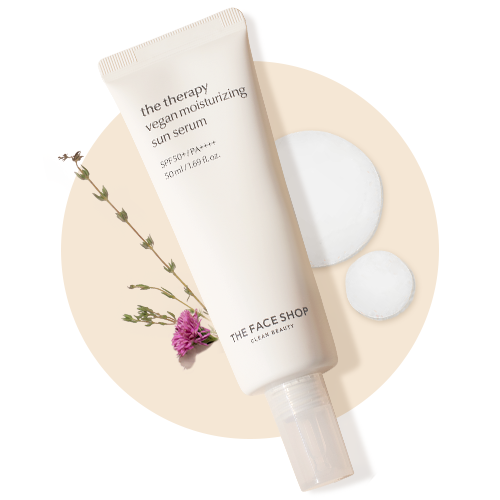
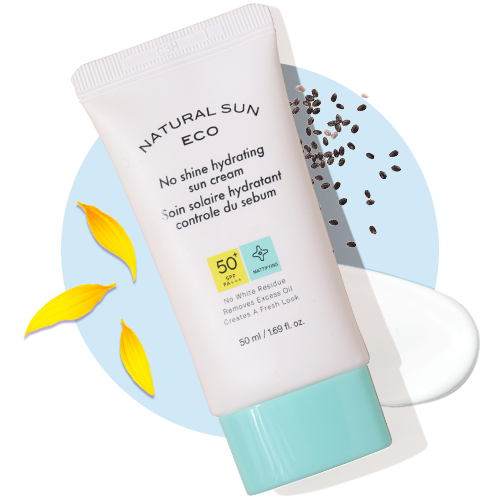
Dermatologists stress that UVA and UVB rays are present year-round in India, even during monsoon. Skipping SPF leads to pigmentation, premature aging, and worsened dark spots. Opt for lightweight, non-greasy sunscreens like NaturalSun Eco No Shine Hydrating Sun Cream that suit humid weather and Indian skin tones.
- Apply SPF 30 or higher every morning, and reapply if outdoors.
- Look for matte or gel textures to avoid shine.
Value tip: Investing in a good sunscreen (INR 800–1500) saves money on future skin treatments.
6. Combination Skin in Monsoon: Avoiding the Most Overlooked Mistakes
Hook: Combination skin faces unique monsoon challenges - oily T-zones and dry cheeks. Are you treating both zones correctly?
Many Indians with combination skin over-exfoliate oily areas and neglect hydration on dry patches. K-Beauty routines recommend:
- Use a gentle, balancing cleanser from the Best Korean Cleansers collection.
- Apply a lightweight hydrating toner only to dry areas.
- Spot treat oily zones with niacinamide or BHA serums.
- Moisturize all over with a gel cream, focusing extra on dry patches.
Counterintuitive fact: Hydrating oily areas can actually reduce oil production over time.
7. The Exfoliation Trap: How Much Is Too Much?
Hook: Over-exfoliating in monsoon can damage your skin barrier and worsen sensitivity.
While exfoliation helps remove dead skin and prevent clogged pores, Indian dermatologists caution against frequent use of scrubs or strong acids during the humid season. Limit exfoliation to once or twice a week, and choose gentle chemical exfoliants like lactic acid or PHA.
- Avoid harsh physical scrubs, especially if you have active breakouts.
- Patch test new exfoliants to avoid irritation.
Pro tip: If your skin feels tight or stings after exfoliating, reduce frequency immediately.
8. Pollution, Rainwater, and Fungal Acne: The Monsoon Trifecta
Hook: Did you know rainwater and pollution can trigger fungal acne and sensitivity during monsoon?
Monsoon rainwater in Indian cities often contains pollutants that irritate skin. Combined with humidity, this creates a breeding ground for fungal acne (Malassezia folliculitis), which appears as itchy, uniform bumps. To prevent this:
- Cleanse thoroughly after getting wet in the rain.
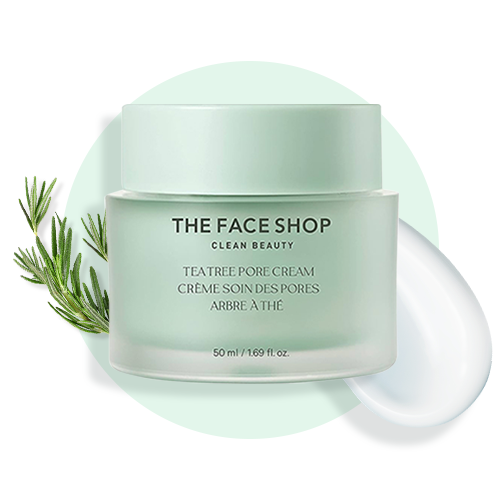
- Use non-comedogenic, anti-fungal ingredients like tea tree or centella asiatica.
- Avoid heavy creams and oils that can feed fungal growth.
Check out the Charcoal & Detox Cleanser for Oily Skin collection for suitable options.
9. Building Your Monsoon-Proof K-Beauty Routine: Step-by-Step for Indian Skin
Hook: Ready to build a routine that actually works for your skin this monsoon?
- Cleanser: Gentle, pH-balanced, suited to your skin type.
- Toner: Hydrating, alcohol-free (optional for oily skin).
- Serum: Targeted actives like niacinamide or vitamin C.
- Moisturizer: Lightweight gel or water cream.
- Sunscreen: Broad-spectrum, matte finish.
Mini-checklist for shopping:
- Look for non-comedogenic, fragrance-free options.
- Prioritize products with proven ingredients for Indian skin concerns.
- Check for value packs or offers in the POS B2G1 collection.
10. When to See a Dermatologist: Know Your Limits
Hook: Persistent breakouts, rashes, or pigmentation? It’s time to consult a professional.
While a well-chosen routine can solve most monsoon skin problems, some issues - like severe acne, eczema, or sudden pigmentation - require expert care. Indian dermatologists can recommend prescription treatments or identify underlying causes. Don’t hesitate to seek help if:
- Your skin worsens despite consistent care.
- You experience pain, swelling, or infection.
- Over-the-counter products cause stinging or burning.
Transparency: No routine is one-size-fits-all. Listen to your skin and adjust as needed.
Key Takeaways: Monsoon Skincare Success in India
- Avoid over-cleansing and over-exfoliating - gentle is best.
- Don’t skip moisturizer or sunscreen, even on cloudy days.
- Use targeted serums for oil control and brightening.
- Adapt your routine to your unique skin type and Indian climate.
- Consult a dermatologist for persistent or severe issues.
FAQ
How often should I wash my face during the monsoon?
Twice daily is ideal—morning and night. Over-cleansing can strip your skin barrier and trigger more oiliness or breakouts. If you need a midday refresh, use a hydrating toner or splash with water instead of a full cleanse.
Are gel moisturizers better than creams for Indian skin in monsoon?
Yes, gel moisturizers are typically lighter and less likely to clog pores in humid weather. Look for water-based gels with ingredients like hyaluronic acid or centella asiatica for best results.
Do I need sunscreen if I stay indoors during monsoon?
Yes. UVA rays penetrate clouds and glass, so daily sunscreen is essential even indoors. Choose a lightweight, matte-finish formula suitable for Indian skin.
How can I prevent fungal acne during monsoon?
Cleanse thoroughly after exposure to rain or sweat, avoid heavy creams and oils, and use products with anti-fungal ingredients like tea tree or centella asiatica. If bumps persist, consult a dermatologist.
What is the best way to adapt my K-Beauty routine for monsoon?
Focus on gentle cleansing, lightweight hydration, targeted serums, and consistent sunscreen. Adjust product textures and actives to suit your skin type and the increased humidity.