
Quick Summary
Curious if you can safely combine Niacinamide and Vitamin C for brighter, more even-toned sensitive Indian skin? Dermatologists weigh in with science-backed advice, practical tips, and India-specific product picks.
Combining Niacinamide and Vitamin C is one of the most searched skincare queries in India, especially among those with sensitive skin. With the rise of K-Beauty and a growing focus on gentle brightening, Indian consumers want to know: Is it safe, effective, and worth the investment? We asked dermatologists and analyzed the latest research to give you a clear, India-specific answer.
1. Why Are Niacinamide and Vitamin C So Popular for Indian Skin?
Both Niacinamide (Vitamin B3) and Vitamin C (Ascorbic Acid) are celebrated for their ability to brighten skin, fade pigmentation, and even out tone. In India, where sun exposure, pollution, and humidity can worsen dullness and sensitivity, these actives are especially relevant. Dermatologists note that Indian skin is more prone to post-inflammatory hyperpigmentation (PIH) and uneven texture due to higher melanin content and environmental stressors.
- Niacinamide: Reduces redness, strengthens the skin barrier, and controls oil - ideal for humid Indian summers.
- Vitamin C: Fights free radicals, boosts collagen, and fades dark spots, but can be irritating if used incorrectly.
According to a 2023 survey by the Indian Association of Dermatologists, over 60% of urban Indian women report using at least one brightening active in their routine.
2. Can Sensitive Indian Skin Tolerate These Actives Together?
This is the top concern for many. The myth that Niacinamide and Vitamin C cannot be layered has been debunked by recent studies. Dermatologists confirm that both can be used together, even for sensitive skin, provided you choose the right formulations and concentrations.
- Look for low to moderate concentrations (Niacinamide 2-5%, Vitamin C 10-15%) to minimize irritation.
- Opt for stabilized Vitamin C derivatives (like Sodium Ascorbyl Phosphate) if pure Ascorbic Acid feels too strong.
- Always patch test before full application, especially if you have a history of redness or stinging.
Dr. Ritu Gupta, a dermatologist in Delhi, shares: “Most of my sensitive-skin patients benefit from using both actives, but I recommend starting slow and spacing them out if any tingling occurs.”
3. How Should You Layer Niacinamide and Vitamin C for Best Results?
Layering order matters, especially in India’s hot, humid climate. Here’s a dermatologist-approved routine:
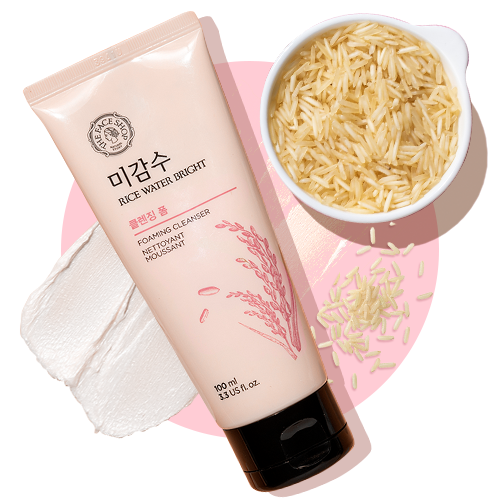
- Cleanse: Use a gentle, non-stripping cleanser. Try the Rice Water Bright Cleansing Foam for a soft, hydrated base.
- Vitamin C Serum: Apply a thin layer on clean, dry skin. Wait 1-2 minutes for absorption.
- Niacinamide Serum: Follow with Niacinamide to calm and strengthen the barrier.
- Moisturizer: Lock in hydration with a lightweight emulsion, such as the Ceramide & Rice Lightweight Emulsion.
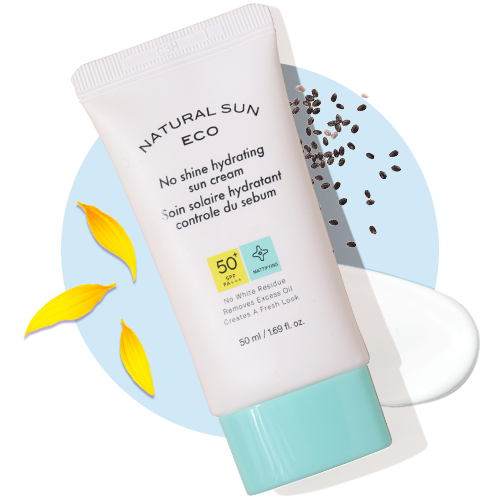
- Sunscreen: Essential for protecting against further pigmentation, especially in Indian summers.
Pro tip: If your skin is very sensitive, alternate these actives on different days or use one in the morning and the other at night.
4. What Are the Real Benefits for Indian Skin Tones?
Indian skin often struggles with uneven tone, dark spots, and sensitivity. Combining Niacinamide and Vitamin C addresses these issues holistically:
- Brightening: Both actives target melanin production, helping fade stubborn pigmentation common in Indian skin.
- Barrier Repair: Niacinamide strengthens the skin’s natural barrier, reducing sensitivity and redness.
- Pollution Defense: Vitamin C neutralizes free radicals from pollution - a major concern in Indian cities.
Clinical studies show that using both ingredients can improve skin radiance and reduce dark spots within 8-12 weeks, with minimal irritation when used correctly.
5. Are There Any Risks or Side Effects?
While both actives are generally safe, sensitive Indian skin can react if products are too strong or combined with harsh exfoliants. Watch out for:
- Redness or stinging (especially with high-strength Vitamin C)
- Dryness or flakiness if overused
- Breakouts if layering too many actives at once
To minimize risk:
- Introduce one new product at a time
- Use a barrier-repairing moisturizer
- Always wear sunscreen
Remember, results are gradual. If irritation persists, pause and consult a dermatologist.
Conclusion: Should You Combine Niacinamide & Vitamin C for Sensitive Indian Skin?
The answer is yes - with the right approach. Dermatologists agree that layering Niacinamide and Vitamin C can safely brighten and strengthen sensitive Indian skin, provided you use gentle formulations, introduce products slowly, and listen to your skin’s needs. With the right routine and patience, you can achieve a healthy, radiant glow without irritation.
FAQ
Can I use Niacinamide and Vitamin C together if I have sensitive Indian skin?
Yes, dermatologists confirm that both can be used together for sensitive Indian skin, provided you choose gentle formulations, start with low concentrations, and patch test before regular use.
Which should I apply first: Niacinamide or Vitamin C?
Apply Vitamin C serum first on clean, dry skin, wait for absorption, then layer Niacinamide. This order maximizes brightening and barrier support.
How long does it take to see results from combining these actives?
Most users notice smoother, brighter skin in 4-8 weeks, with significant fading of pigmentation by 12 weeks. Consistency and sun protection are key.
Are there any side effects to watch for?
Some may experience mild redness or tingling, especially with high-strength Vitamin C. Start slow, use gentle formulas, and consult a dermatologist if irritation persists.
Are K-Beauty actives affordable in India?
Yes, many K-Beauty brands offer trial sizes and value deals in India. Expect to pay ₹700–₹1,800 for quality serums, with frequent discounts available online.