
Quick Summary
Discover a gentle, step-by-step night routine for sensitive Indian skin that targets hyperpigmentation and delivers a luminous 'glass skin' effect—without irritation or redness.
Hyperpigmentation is a stubborn concern for many Indians, especially those with sensitive skin. The quest for 'glass skin' - that coveted, luminous, poreless look - often feels out of reach when every new product risks redness or irritation. But with the right approach, you can gently fade dark spots and achieve a radiant complexion, even in India's challenging climate. This guide delivers a step-by-step night routine, grounded in K-beauty science and tailored for Indian skin, to help you get there - without the flare-ups.
1. Understanding Hyperpigmentation in Indian Skin: Why Sensitivity Matters
Indian skin is genetically more prone to hyperpigmentation, especially post-inflammatory hyperpigmentation (PIH) from acne or minor injuries. Melanin-rich skin also reacts strongly to sun exposure and pollution, both of which are common in Indian cities. Sensitive skin adds another layer of complexity: harsh actives or over-exfoliation can worsen pigmentation and trigger redness.
- Fact: Studies show that Indian skin tones (Fitzpatrick IV-VI) are more likely to develop persistent dark spots after inflammation than lighter skin types (NCBI).
- Tip: Always patch test new products, especially those with actives like vitamin C or niacinamide.
2. The Double Cleanse: Gentle Makeup & Pollution Removal
India’s pollution and humidity can leave a stubborn film of grime, sunscreen, and makeup on your skin. A double cleanse ensures a clean slate without stripping sensitive skin. Start with a gentle oil cleanser, followed by a mild foaming or gel cleanser.
- Example: The Rice Water Bright Light Cleansing Oil is formulated for sensitive skin and effectively lifts away impurities while maintaining hydration.
- Checklist: Look for cleansers free from sulfates and artificial fragrance. Rinse with lukewarm water to avoid triggering redness.
3. Hydrating Toners: The Foundation for Glass Skin
Hydration is the secret to glass skin, especially in India’s hot, often dehydrating climate. Alcohol-free toners with humectants like hyaluronic acid and panthenol plump the skin and prep it for actives.
- Data Point: Hyaluronic acid can hold up to 1000 times its weight in water, making it ideal for Indian summers and air-conditioned environments.
- Tip: Apply toner with your palms for less irritation, and layer if your skin feels extra dry.
4. Targeted Actives: Fading Dark Spots Without the Burn
Many actives that fade pigmentation - like vitamin C, niacinamide, and licorice root - can irritate sensitive skin if used incorrectly. The key is to choose lower concentrations and stable formulations, and to introduce them gradually.
- Vitamin C: Look for serums with 5-10% L-ascorbic acid or derivatives. These are effective yet gentle enough for sensitive skin.
- Niacinamide: 2-5% concentrations help fade spots and strengthen the skin barrier, reducing sensitivity over time.
- Licorice Root Extract: A natural brightener that calms inflammation and is well-tolerated by most Indian skin types.
- Mini-Checklist: Start with alternate nights, and always follow with hydration.
INR Value Tip: Many effective serums are available in India between ₹600 and ₹1500, making them accessible for most budgets.
5. The Power of Essences: Snail Mucin & Centella for Calm, Dewy Skin
Essences are a K-beauty staple that deliver lightweight hydration and repair. Snail mucin and centella asiatica (cica) are especially beneficial for sensitive Indian skin, helping to soothe, heal, and fade post-inflammatory marks.
- Counterintuitive Fact: Snail mucin is non-comedogenic and suitable for oily, acne-prone skin - a common concern in India’s humid regions.
- Centella Asiatica: Known for its anti-inflammatory and wound-healing properties, it reduces redness and supports barrier repair.
6. Lightweight Moisturizers: Lock in Hydration Without Clogging Pores
Heavy creams can feel suffocating in Indian weather, especially for combination or oily skin. Opt for gel or lotion textures with ingredients like birch sap, hyaluronic acid, and ceramides. These lock in moisture and support the skin barrier without causing breakouts.
- Example: Water-based lotions are ideal for Mumbai’s humidity, while slightly richer creams suit drier climates like Delhi in winter.
- Tip: Apply moisturizer while skin is still damp from toner or essence for maximum absorption.
7. Spot Treatments: When and How to Use Them Safely
For stubborn dark spots, targeted treatments with ingredients like alpha arbutin or azelaic acid can be effective. However, these should be used sparingly and only on affected areas to minimize irritation.
- Checklist: Use spot treatments after serum but before moisturizer. Limit use to 2-3 times a week initially.
- Limitation: Overuse can lead to dryness or increased sensitivity. Monitor your skin’s response closely.
8. The Indian Context: Pollution, Diet, and Consistency
Environmental and lifestyle factors in India play a big role in skin health. Pollution increases oxidative stress, while spicy foods and dairy can sometimes trigger sensitivity or breakouts.
- Data Point: Studies link urban pollution in Indian metros to increased pigmentation and premature aging (NCBI).
- Tip: Cleanse thoroughly at night, and consider an antioxidant serum to combat pollution damage.
- Checklist: Drink plenty of water, avoid harsh scrubs, and stick to your routine for at least 8-12 weeks for visible results.
9. Building Your Routine: Step-by-Step for Sensitive Indian Skin
- Oil Cleanser (e.g., Rice Water Bright Light Cleansing Oil)
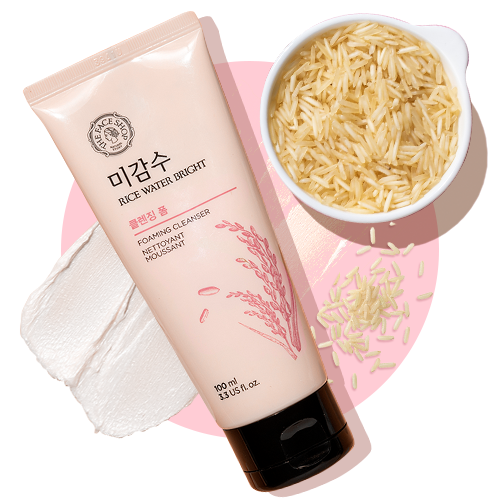
- Gentle Water-Based Cleanser (Best Korean Cleansers)
- Hydrating Toner
- Targeted Serum (Vitamin C, Niacinamide, or Licorice Root)
- Essence (Snail Mucin or Centella)
- Lightweight Moisturizer
- Spot Treatment (as needed)
All these steps can be customized based on your skin’s needs and the Indian climate. For a curated selection, explore our Shop All collection.
10. Setting Realistic Expectations: Timelines & Limitations
Hyperpigmentation, especially on Indian skin, takes time to fade. Most users see noticeable improvement in 8-12 weeks with consistent use, but deeper marks may take longer. Sensitivity can fluctuate with weather, stress, and diet, so be patient and adjust your routine as needed.
- Limitation: No routine can deliver overnight results. If you experience persistent irritation, consult a dermatologist.
- Trust Cue: All recommendations here are based on ingredient research, consumer reviews, and adaptation to Indian conditions.
FAQ
Can I use vitamin C every night if I have sensitive Indian skin?
Start with vitamin C 2-3 times a week and monitor for irritation. If tolerated, gradually increase frequency. Always use a gentle, stable formulation and follow with hydration.
How long does it take to see results from this night routine?
Most people notice improvement in pigmentation and skin texture within 8-12 weeks of consistent use. Deeper marks may take longer. Patience and routine are essential.
Are home remedies like lemon juice safe for hyperpigmentation?
Lemon juice and similar remedies can irritate sensitive Indian skin and worsen pigmentation. Stick to dermatologist-recommended actives for safer, more effective results.
What should I do if my skin gets red or irritated?
Stop using actives immediately and focus on hydration and barrier repair. If redness persists, consult a dermatologist. Always patch test new products.
Do I need to change my routine in different Indian seasons?
Yes. Use lighter textures in humid summers and slightly richer creams in dry winters. Adjust actives if your skin becomes more sensitive with weather changes.