
Quick Summary
Discover a dermatologist-backed, 3-step night routine for stubborn pigmentation tailored to Indian skin. Learn how to layer actives for maximum results and minimal irritation.
Struggling with dark spots or uneven skin tone that just won’t fade? You’re not alone. Pigmentation is one of the most common skin concerns among Indians, thanks to our melanin-rich skin, intense sun exposure, and urban pollution. The good news: dermatologists in India have refined a simple, science-backed night routine that can help fade stubborn pigmentation - without irritation or guesswork. This guide breaks down the 3-step process, explains why each step matters, and shows you how to layer actives for maximum results.
Why Nighttime is Prime Time for Pigmentation Repair
Did you know that your skin’s repair mechanisms peak at night? According to research published in the Indian Journal of Dermatology, cell turnover and collagen production are highest while you sleep. This makes nighttime the ideal window to target pigmentation with potent actives - without interference from UV rays or pollution.
- Indian context: With high humidity and pollution in cities like Mumbai and Delhi, skin faces more oxidative stress during the day. Night routines allow actives to work undisturbed.
- Pro tip: Consistency is key. Results are gradual - expect visible fading in 8-12 weeks with regular use.
Step 1: Gentle Cleansing - The Foundation for Even-Toned Skin
Start with a mild, non-stripping cleanser to remove sunscreen, makeup, and pollutants. Over-cleansing can worsen pigmentation by triggering inflammation, especially in Indian skin prone to sensitivity.
- Look for: Sulfate-free, pH-balanced cleansers with soothing ingredients like rice water or ceramides.
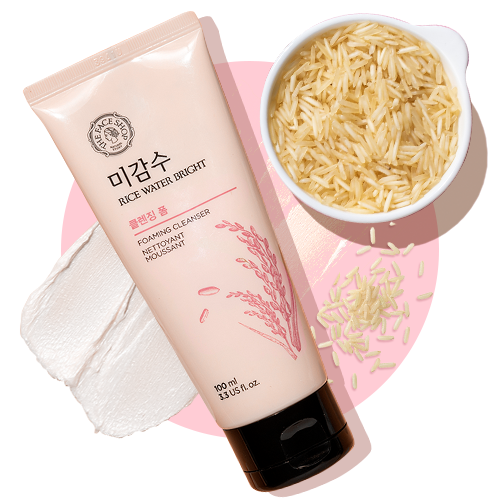
- Example: A rice-based cleanser helps brighten and calm, making it ideal for prepping skin for actives.
- Mini-checklist: Avoid hot water, double cleanse if you wear heavy sunscreen, and pat dry - don’t rub.
Step 2: Targeted Treatment - Layering Actives for Hyperpigmentation
This is the heart of your routine. Indian dermatologists recommend layering actives that target melanin production and skin renewal. The right sequence reduces irritation and boosts efficacy.
- Vitamin C Serum: Start with a stable vitamin C serum (like 10% 3-O-Ethyl Ascorbic Acid) to brighten and reduce dark spots. Studies show vitamin C inhibits tyrosinase, the enzyme behind melanin production (NCBI).
- Niacinamide Serum: Follow with 5-10% niacinamide to further block pigment transfer and strengthen the skin barrier. Niacinamide is well-tolerated by Indian skin and helps with redness and oil control.
- Retinol (Optional, 2-3x/week): For persistent pigmentation, add a gentle retinol serum after niacinamide. Retinol accelerates cell turnover, helping fade dark spots faster. Start slow - retinol can cause dryness if overused, especially in drier Indian climates.
- Layering tip: Wait 2-3 minutes between serums for better absorption.
- Budget tip: Effective serums are available in India from INR 400 to INR 1500. Prioritize ingredient concentration over brand hype.
Step 3: Moisturize and Seal - Lock in Actives, Prevent Irritation
Moisturizing is non-negotiable, even for oily or combination skin. Hydration supports the skin barrier, reducing the risk of irritation from actives.
- Choose: Lightweight, non-comedogenic moisturizers with ceramides, rice extract, or hyaluronic acid. Gel-based formulas work well in humid Indian summers, while emulsions or creams suit drier regions.
- India-specific pick: Ceramide & Rice Moisturizing Emulsion 70ml offers deep hydration without heaviness, ideal for layering over actives.
- Pro tip: Always apply moisturizer as the last step to seal in serums and prevent water loss overnight.
How to Introduce Actives Safely: Patch Testing and Gradual Build-Up
Indian skin can be reactive, especially when new actives are introduced. To minimize risk:
- Patch test each new product on your jawline for 48 hours before full-face use.
- Start with alternate nights, then increase frequency as tolerated.
- If you notice redness, stinging, or flaking, pause and focus on barrier repair with a gentle moisturizer.
Remember, more is not always better. Overuse of actives can worsen pigmentation by causing inflammation.
Counterintuitive Fact: Why Less Can Be More for Indian Skin
Many believe using multiple actives at high concentrations speeds up results. In reality, Indian dermatologists often recommend a minimalist approach. Overloading skin with strong acids or retinoids can trigger post-inflammatory hyperpigmentation, especially in deeper skin tones common in India.
- Expert insight: Stick to one or two actives per routine, and avoid mixing strong exfoliants (like AHAs/BHAs) with retinol on the same night.
- Value tip: Fewer products mean lower monthly spend - effective routines can cost under INR 2000/month.
Adapting Your Routine for Indian Climates and Lifestyles
India’s diverse climate means your routine may need tweaks:
- Humid cities (e.g., Chennai, Kolkata): Opt for gel-based moisturizers and lighter serums to prevent clogged pores.
- Dry regions (e.g., Delhi winters): Layer a richer emulsion or cream to combat dehydration.
- Frequent travelers: Carry travel-sized versions and avoid skipping your routine, even on the go.
Tip: Use a silk pillowcase and change it twice a week - this reduces friction and bacteria, supporting skin repair overnight.
What to Avoid: Common Mistakes That Worsen Pigmentation
- Skipping sunscreen during the day - UV exposure undoes night-time progress.
- Mixing too many actives at once, leading to irritation.
- Using harsh scrubs or physical exfoliants, which can cause micro-tears and worsen dark spots.
- Not moisturizing enough, especially after actives.
For more tips on managing uneven skin tone, explore our Uneven Skin Tone collection.
Routine Recap: Your 3-Step Night Plan for Fading Pigmentation
- Cleanse: Gentle, pH-balanced cleanser.
- Treat: Layer vitamin C, niacinamide, and (optionally) retinol, with 2-3 minutes between each.
- Moisturize: Lock in actives with a hydrating, non-comedogenic moisturizer.
Stay consistent, adjust for your skin’s needs, and remember: patience pays off. For targeted solutions, browse our Post Acne Marks collection for dermatologist-formulated options.
FAQ
How long does it take to see results from a night routine for pigmentation?
Most people notice visible fading in 8-12 weeks with consistent use of actives and sun protection during the day.
Can I use vitamin C and retinol together at night?
Yes, but introduce them gradually and avoid layering both on the same night if you have sensitive skin. Alternate nights is safest for beginners.
Is it necessary to moisturize after applying serums?
Absolutely. Moisturizing seals in actives and prevents irritation, especially important in Indian climates.
What should I do if my skin gets irritated?
Pause actives, focus on gentle cleansing and barrier-repair moisturizers. Reintroduce actives slowly once irritation subsides.
Are expensive products always better for pigmentation?
No. Focus on ingredient concentration and formulation. Many effective options are available in India under INR 1500.