
Quick Summary
Discover why your skin feels oilier and breaks out more during the Indian monsoon, and learn evidence-backed K-Beauty strategies for achieving clear, balanced 'glass skin'—even in high humidity.
Monsoon Mayhem: Why Does Your Skin Feel Oilier?
As soon as the monsoon clouds roll in, many Indians notice their skin turning oilier and more prone to breakouts. But why does this happen? The answer lies in the unique blend of high humidity, fluctuating temperatures, and increased pollution during the rainy season. Humidity causes sweat and sebum (your skin's natural oil) to mix, making your face feel greasy. In cities like Mumbai and Kolkata, average humidity levels can soar above 85% during monsoon months, amplifying this effect.
- Humidity traps sweat and oil: Pores get clogged more easily, leading to blackheads and pimples.
- Air pollution spikes: Rain stirs up dust and pollutants, which can stick to oily skin and worsen irritation.
- Frequent face washing: Over-cleansing strips natural oils, causing your skin to produce even more sebum as a defense.
Understanding these triggers is the first step to regaining control over your skin during the monsoon.
Monsoon Acne: The Science Behind Sudden Breakouts
Monsoon acne is a real phenomenon, especially for those with oily or combination skin. The combination of sweat, oil, and environmental grime creates a breeding ground for acne-causing bacteria. According to dermatologists in India, there is a 20-30% spike in acne cases during the monsoon season. Fungal acne, a lesser-known culprit, also thrives in humid conditions and can be mistaken for regular pimples.
- Blocked pores: Excess oil and dead skin cells get trapped, leading to whiteheads and blackheads.
- Bacterial growth: Warm, damp skin is ideal for bacteria and yeast, increasing the risk of both acne and fungal infections.
- Incorrect product use: Heavy creams or comedogenic ingredients can worsen congestion in humid weather.
Recognizing the difference between bacterial and fungal acne is key. If your breakouts are itchy, uniform, and don't respond to usual acne treatments, consider consulting a dermatologist.
Why Traditional Solutions Often Fail in Indian Monsoon
Many Indians reach for harsh cleansers or skip moisturizer altogether, thinking it will reduce oiliness. However, these strategies can backfire:
- Over-cleansing: Strips the skin barrier, triggering rebound oil production.
- Skipping moisturizer: Dehydrated skin produces more oil to compensate, worsening shine and breakouts.
- Heavy, occlusive products: Trap sweat and sebum, increasing congestion.
Instead, a balanced approach that respects your skin barrier is essential. This is where K-Beauty routines shine, offering lightweight, hydrating, and non-comedogenic solutions tailored for humid climates like India's monsoon.
K-Beauty’s ‘Glass Skin’ Philosophy: Why It Works for Indian Monsoon
The K-Beauty concept of 'glass skin' - clear, luminous, and poreless-looking skin - focuses on hydration, gentle cleansing, and barrier support. This philosophy is especially effective during the Indian monsoon, when skin needs balance rather than aggressive oil control.
- Layered hydration: Lightweight toners, essences, and gels hydrate without heaviness.
- Gentle cleansing: Low-pH, sulfate-free cleansers remove grime without stripping.
- Barrier repair: Ingredients like panthenol and centella asiatica soothe irritation and strengthen the skin.
These principles help reduce oiliness and breakouts while promoting a healthy, radiant complexion - even in sticky weather.
Step 1: Smart Cleansing for Monsoon Oiliness
Choosing the right cleanser is crucial. Look for gentle, low-pH formulas that remove sweat, oil, and pollution without disrupting your skin barrier. Avoid harsh soaps, SLS/SLES, and alcohol-based products.
- Gel cleansers: Ideal for oily skin, as they cleanse deeply but gently.
- Foam cleansers: Choose sulfate-free options for a refreshing cleanse.
- Double cleansing: At night, start with a lightweight cleansing oil to dissolve sunscreen and pollution, followed by a gentle water-based cleanser.
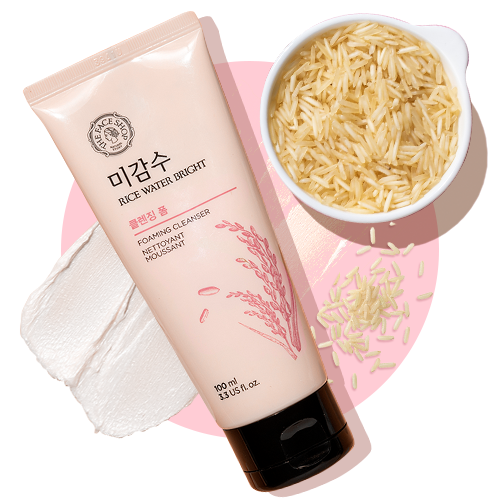
For a K-Beauty-inspired option, Rice Water Bright Cleansing Foam offers a gentle yet effective cleanse, suitable for Indian humidity and pollution levels. Its rice water extract helps brighten and clarify, making it a smart pick for monsoon skin.
Step 2: Hydration Without the Heaviness - Monsoon-Friendly Moisturizers
Even oily skin needs hydration, especially in the monsoon. The key is to choose lightweight, non-comedogenic moisturizers that balance oil without clogging pores.
- Gel-based moisturizers: Absorb quickly and leave no greasy residue.
- Look for ingredients like: Hyaluronic acid (for hydration), niacinamide (for oil control), and centella asiatica (for soothing).
- Budget tip: Many K-Beauty moisturizers are available in India for under INR 1,000, offering excellent value for quality and efficacy.
Apply moisturizer on damp skin to lock in hydration. This step helps prevent your skin from overproducing oil and keeps your barrier healthy.
Step 3: Targeted Serums for Clear, Balanced Skin
Serums are the secret weapon in the K-Beauty routine. For monsoon-prone skin, look for formulas that address oiliness, breakouts, and dullness:
- Niacinamide: Regulates sebum and brightens skin tone.
- Tea tree extract: Fights acne-causing bacteria and soothes inflammation.
- Centella asiatica: Calms redness and supports healing.
Layer serums after cleansing and before moisturizer. For extra clarity, use a rice-based sheet mask like the Real Nature Rice Face Mask once or twice a week to boost radiance and calm irritation.
Step 4: Sun Protection - Even on Cloudy Monsoon Days
Many skip sunscreen during the monsoon, but UV rays penetrate clouds and can worsen pigmentation and post-acne marks. Choose a lightweight, non-greasy sunscreen that won’t clog pores.
- Look for: Matte finish, broad-spectrum SPF 30 or higher, and hydrating formulas.
- Tip: Reapply every 2-3 hours if you’re outdoors or commuting.
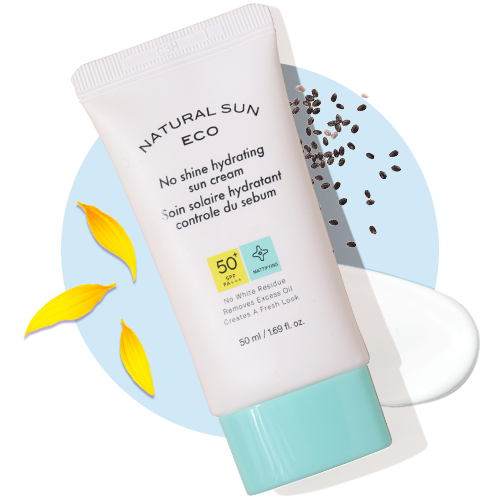
Try NaturalSun Eco No Shine Hydrating Sun Cream for a shine-free, comfortable finish that suits Indian skin tones and humid weather.
Monsoon Skincare Routine: A Simple, Effective K-Beauty Regimen
Here’s a quick checklist for a monsoon-proof, glass skin routine:
- AM: Gentle cleanser, hydrating toner, lightweight serum, gel moisturizer, sunscreen
- PM: Double cleanse (if wearing sunscreen/makeup), calming serum, moisturizer
- 2x/week: Sheet mask for extra hydration and clarity
Explore value sets and offers like 2 at 799 to build your routine affordably. Consistency is key - give your skin 2-3 weeks to adjust before expecting visible results.
What to Avoid: Common Monsoon Skincare Mistakes in India
- Skipping moisturizer: Leads to dehydration and rebound oiliness.
- Using harsh scrubs: Can damage your barrier and worsen breakouts.
- Heavy, occlusive creams: Trap sweat and oil, increasing congestion.
- Ignoring sunscreen: UV rays are still strong, even on cloudy days.
Stick to gentle, hydrating, and non-comedogenic products for best results.
Real Results: What to Expect (and What Not To)
With a consistent K-Beauty-inspired routine, most users in India report:
- Reduced oiliness and fewer breakouts within 2-4 weeks
- Brighter, more even skin tone
- Smoother texture and less visible pores
However, severe or persistent acne may require dermatologist intervention. No routine can guarantee 'poreless' skin - realistic expectations and patience are important for long-term clarity.
FAQ
Why does my skin get oilier during the Indian monsoon?
High humidity causes sweat and sebum to mix, making your skin feel greasy. Pollution and frequent cleansing can further disrupt your skin barrier, leading to increased oiliness.
Can I skip moisturizer if my skin is oily in the monsoon?
No. Skipping moisturizer can dehydrate your skin, causing it to produce even more oil. Use a lightweight, gel-based moisturizer to maintain balance.
Are K-Beauty products suitable for Indian skin during monsoon?
Yes. K-Beauty routines emphasize gentle cleansing and lightweight hydration, making them ideal for oily, breakout-prone skin in India's humid climate.
How soon can I expect results from a new monsoon skincare routine?
Most people notice reduced oiliness and clearer skin within 2-4 weeks of consistent use. Severe or persistent acne may require dermatologist advice.
Do I need sunscreen during monsoon if it’s cloudy?
Absolutely. UV rays penetrate clouds and can worsen pigmentation and acne marks. Choose a non-greasy, broad-spectrum sunscreen and reapply as needed.