
Quick Summary
Confused about physical scrubs and K-Beauty chemical exfoliators for blackheads? Discover which method is safer, more effective, and better value for Indian skin.
Blackheads are a stubborn concern for many Indians, especially with our humid climate and melanin-rich skin. If you’re torn between using a traditional physical scrub or a K-Beauty chemical exfoliator, you’re not alone. This guide breaks down the science, debunks myths, and helps you choose the safest, most effective, and best-value solution for your skin type and budget.
Why Blackheads Are So Persistent on Indian Skin
Indian skin is more prone to blackheads due to higher sebum production, humidity, and pollution. Blackheads form when dead skin cells and oil clog pores, oxidising to appear dark. Melanin-rich skin is also more likely to develop post-inflammatory hyperpigmentation (PIH) if exfoliation is too harsh. This makes the right exfoliation method crucial for both clear pores and even skin tone.
- Fact: A 2023 Indian Journal of Dermatology study found that over 60% of urban Indian adults experience blackheads, especially in summer.
- Tip: Exfoliation is key, but the method matters more than frequency.
Physical Scrubs: The Traditional Approach
Physical scrubs use tiny particles (like walnut shell, apricot seed, or cellulose beads) to manually remove dead skin. They’re affordable and offer instant smoothness, but are they the best choice for Indian skin?
- Pros: Immediate tactile smoothness, easy to find in India, usually priced between INR 150-500.
- Cons: Risk of micro-tears, irritation, and uneven exfoliation. Overuse can worsen pigmentation, especially on darker skin tones.
Counterintuitive Fact: Scrubbing harder doesn’t mean deeper cleansing. In fact, aggressive scrubbing can push debris deeper into pores and trigger more oil production.
K-Beauty Chemical Exfoliators: The Science-Backed Alternative
K-Beauty chemical exfoliators use gentle acids like AHAs (alpha hydroxy acids), BHAs (beta hydroxy acids), and PHAs (polyhydroxy acids) to dissolve dead skin and unclog pores. They’re designed for gradual, even exfoliation - ideal for Indian skin’s sensitivity to inflammation and pigmentation.
- AHAs (like glycolic or lactic acid): Best for surface dullness and pigmentation.
- BHAs (like salicylic acid): Oil-soluble, penetrate deep into pores - excellent for blackheads.
- PHAs (like gluconolactone): Extra gentle, suitable for sensitive or dry skin types.
Evidence: Clinical studies show that regular use of BHAs reduces blackheads by up to 45% in 8 weeks, with less irritation than scrubs ([AAD, 2022](https://www.aad.org/public/everyday-care/skin-care-basics/care/skin-care-myths)).
Which Method Is Gentler for Indian Skin?
Physical scrubs can cause micro-tears and worsen PIH, especially if used more than once a week. Chemical exfoliators, when chosen carefully, are less likely to damage the skin barrier or trigger pigmentation. PHAs and low-concentration BHAs are particularly suited for Indian skin, which tends to be combination or oily but sensitive to over-exfoliation.
-
Mini-Checklist:
- For sensitive skin: Opt for PHAs or gentle BHA gels.
- For oily, blackhead-prone skin: Use a BHA-based exfoliator 2-3 times a week.
- Always patch test and use sunscreen daily.
India-Specific Example: Many Indian users report that switching from walnut scrubs to K-Beauty gel exfoliators reduces redness and dark spots within a month.
Value for Money: INR Cost vs. Results
Physical scrubs are cheaper upfront, but frequent use can lead to irritation, requiring extra products (like calming serums or spot treatments). K-Beauty chemical exfoliators may cost more initially (typically INR 700-1800), but a single bottle lasts 2-3 months and delivers visible results with less risk of side effects.
- Example: A 150ml K-Beauty exfoliating gel can cost INR 1200 but lasts 10-12 weeks, working out to about INR 100 per week - often less than the cost of repeated salon facials or corrective creams.
For best value, look for multi-tasking products that combine exfoliation with soothing ingredients like panthenol or allantoin.
Spotlight: K-Beauty Exfoliators from The Face Shop
For Indian consumers, The Face Shop Alltimate Panthenol 2% Exfoliating Gel is a standout. It uses panthenol and gentle acids to clear pores without stripping the skin. The gel format is ideal for humid Indian weather and combination skin.
- Non-abrasive, fragrance-free, and suitable for sensitive skin.
- Contains PHA and panthenol for gentle exfoliation and barrier support.
- Priced competitively for the Indian market, especially during Flat 30% off sales.
Other options from The Face Shop include gel cleansers and foams that pair well with chemical exfoliators for a complete routine.
How to Build a Blackhead-Fighting Routine (Indian Edition)
Consistency and layering are key. Here’s a simple, effective routine for Indian skin:
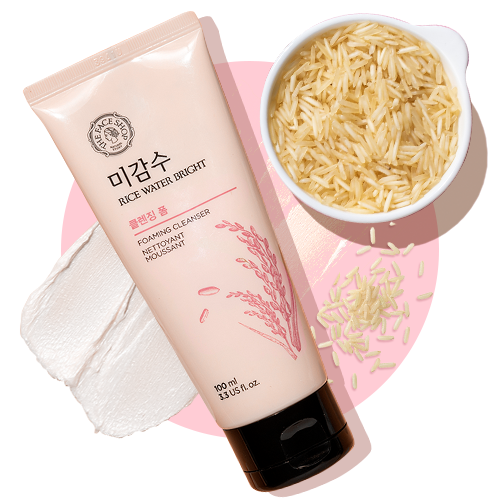
- Cleanse: Use a gentle cleanser like Rice Water Bright Cleansing Foam to remove surface dirt.
- Exfoliate: Apply a chemical exfoliator (BHA or PHA gel) 2-3 times a week at night.
- Hydrate: Follow with a lightweight, non-comedogenic moisturizer.
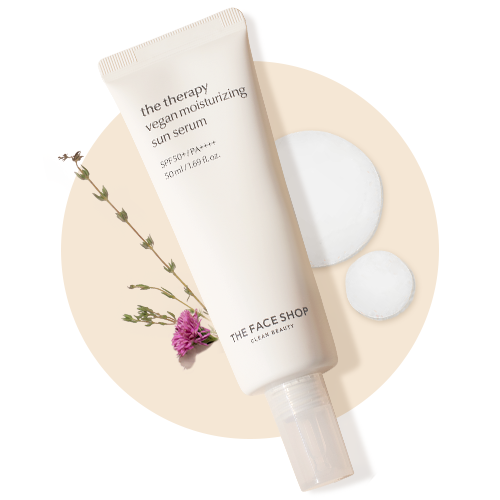
- Protect: Always use sunscreen in the morning, as exfoliation increases sun sensitivity.
Tip: Avoid layering multiple actives (like retinol or vitamin C) on exfoliation nights to prevent irritation.
Common Mistakes to Avoid with Exfoliation
- Using physical and chemical exfoliators together - this can damage your skin barrier.
- Skipping sunscreen after exfoliation, which increases risk of pigmentation.
- Over-exfoliating: More is not better. Stick to 2-3 times per week unless advised by a dermatologist.
- Ignoring patch tests: Always test new products on a small area before full application.
Counterintuitive Fact: Even oily skin can become sensitive or dehydrated with over-exfoliation, leading to more breakouts and blackheads.
What to Expect: Results Timeline and Limitations
With consistent use of a K-Beauty chemical exfoliator, most Indian users notice:
- Fewer blackheads and smoother skin in 2-4 weeks.
- Reduced pigmentation and brighter complexion in 6-8 weeks.
Limitation: Deep, stubborn blackheads may require professional extraction. Exfoliators help prevent new blackheads but cannot always clear existing ones overnight.
For best results, combine exfoliation with regular cleansing and sun protection. If irritation or persistent breakouts occur, consult a dermatologist.
Conclusion: Which Should You Choose?
For most Indian skin types, especially those prone to pigmentation and sensitivity, K-Beauty chemical exfoliators offer a safer, more effective, and better-value solution for blackhead removal than traditional physical scrubs. Choose a gentle BHA or PHA formula, use it consistently, and always protect your skin with sunscreen. Your pores - and your wallet - will thank you.
FAQ
Are physical scrubs safe for Indian skin with blackheads?
Physical scrubs can cause micro-tears and worsen pigmentation, especially on melanin-rich Indian skin. They may offer instant smoothness but are not recommended for regular use if you have blackheads or sensitive skin.
How often should I use a chemical exfoliator for blackheads?
For most Indian skin types, 2-3 times a week at night is ideal. Over-exfoliation can lead to irritation, so always start slow and observe your skin’s response.
Which K-Beauty exfoliator is best for blackheads in India?
Look for gentle BHA or PHA-based gel exfoliators, such as The Face Shop Alltimate Panthenol 2% Exfoliating Gel, which is formulated for Indian skin and climate.
Can I use both physical and chemical exfoliators together?
It’s best to avoid using both on the same day, as this can damage your skin barrier and increase the risk of irritation and pigmentation.
Will chemical exfoliators make my skin sensitive to the sun?
Yes, exfoliation can increase sun sensitivity. Always apply sunscreen daily when using chemical exfoliators to protect your skin from pigmentation and damage.