
Quick Summary
Confused about K-Beauty exfoliation for sensitive Indian skin? Discover the safest, most effective way to achieve glass skin without irritation or over-exfoliation.
Dreaming of that luminous, poreless 'glass skin' look, but worried about irritation or over-exfoliation? For Indian skin - often sensitive, prone to pigmentation, and exposed to heat and pollution - choosing the right K-Beauty exfoliation method is crucial. This guide compares physical and chemical exfoliants, explains their science, and helps you pick the safest, most effective routine for your skin type and climate.
Understanding Exfoliation: Why Indian Skin Needs a Gentle Approach
Exfoliation removes dead skin cells, revealing a brighter, smoother complexion. However, Indian skin is often more sensitive due to higher melanin, which means it's more prone to irritation, dark spots, and barrier damage. Over-exfoliation can worsen pigmentation and sensitivity, especially in India's hot, humid, and polluted environments. That's why a gentle, tailored approach is essential for achieving glass skin safely.
- Fact: Studies show that Indian skin can react more strongly to harsh exfoliants compared to lighter skin tones, increasing the risk of post-inflammatory hyperpigmentation.
- Tip: Always patch-test new exfoliants and start slow - once a week is often enough for beginners.
Physical Exfoliation: What It Is and How It Works
Physical exfoliants use small particles or tools to manually slough off dead skin. Common K-Beauty options include gentle scrubs, konjac sponges, and soft washcloths. These are popular for their instant smoothness, but can be risky for sensitive Indian skin if the particles are too rough or used too often.
- Example: A konjac sponge, made from plant fibers, offers a softer alternative to walnut or apricot scrubs, which can cause microtears.
-
Checklist for Safe Use:
- Choose ultra-fine, rounded particles or soft sponges
- Limit use to once a week
- Never scrub on active acne or irritated skin
Trade-off: While physical exfoliants give immediate results, they can trigger redness or dark spots if overused - especially in the Indian summer heat.
Chemical Exfoliation: The Science Behind AHAs, BHAs, and PHAs
Chemical exfoliants dissolve dead skin cells using acids like AHAs (alpha hydroxy acids), BHAs (beta hydroxy acids), and PHAs (poly hydroxy acids). K-Beauty formulas often combine these for gentle, controlled exfoliation. For sensitive Indian skin, PHAs and low-strength AHAs are usually safest.
- AHAs: Glycolic and lactic acid target surface dullness and pigmentation. Best for dry to normal skin types.
- BHAs: Salicylic acid penetrates pores, ideal for oily or acne-prone skin.
- PHAs: Larger molecules, less irritating, suitable for very sensitive skin.
Counterintuitive Fact: Chemical exfoliants can be gentler than scrubs when used correctly, as they avoid physical abrasion.
Which Method Is Safer for Sensitive Indian Skin?
For most Indian consumers with sensitive skin, chemical exfoliation - especially with PHAs or low-concentration AHAs - offers a safer path to glass skin. Physical exfoliants, even gentle ones, can cause micro-injuries and worsen pigmentation if not used carefully.
- Evidence: Dermatologists in India often recommend chemical exfoliants for hyperpigmentation and uneven tone, as they can be precisely dosed and are less likely to cause trauma.
- Limitation: Overuse of any exfoliant, chemical or physical, can still damage the skin barrier. Always follow product instructions.
How to Exfoliate for Glass Skin Without Overdoing It
Achieving glass skin is about consistency, not aggression. Here’s a routine tailored for Indian skin:
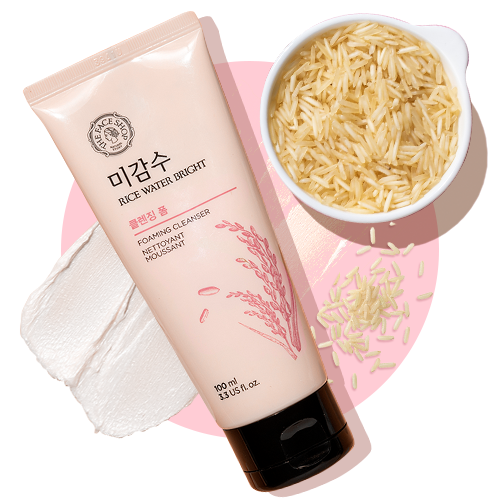
- Start with a gentle cleanser, like the Rice Water Bright Cleansing Foam, to remove pollution and sweat.
- Use a chemical exfoliant (PHA or low-strength AHA) once a week. Gradually increase to twice a week if tolerated.
- Follow with a hydrating toner, such as those in our Hydrating Toner collection, to soothe and replenish moisture.
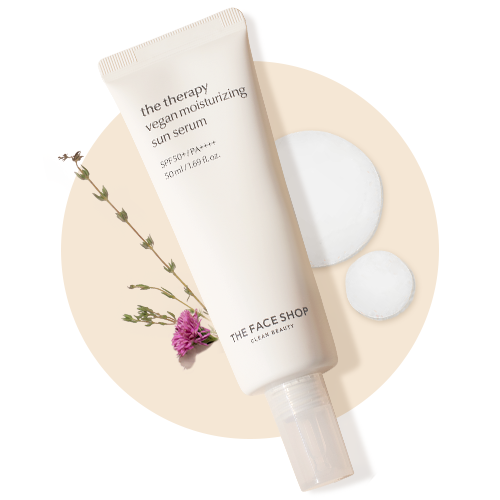
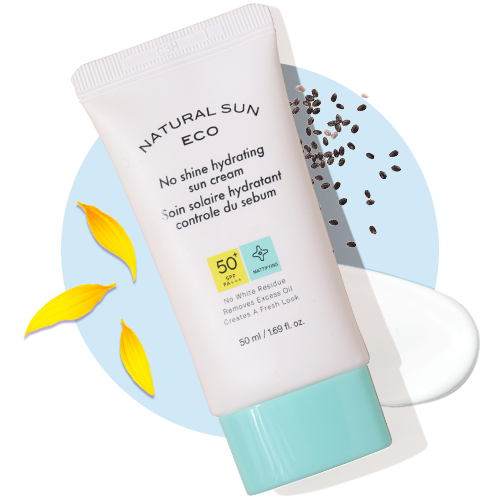
- Always finish with sunscreen during the day, as exfoliation increases sun sensitivity.
- Mini-Checklist: Never combine physical and chemical exfoliants in the same session. Listen to your skin - if you notice redness, stinging, or dryness, pause and focus on barrier repair.
Climate Matters: Adapting Exfoliation for Indian Weather
India’s climate - hot, humid, and often polluted - affects how your skin responds to exfoliation. Sweat and pollution can clog pores, but over-exfoliating in this environment can strip your barrier, leading to more sensitivity and pigmentation.
- Tip: In summer, reduce exfoliation frequency and focus on hydration. In winter, use richer moisturizers after exfoliating.
- Data Point: Indian dermatologists report a spike in sensitivity and pigmentation issues during peak summer months, often linked to overuse of harsh scrubs or acids.
Cost and Value: What to Expect When Investing in K-Beauty Exfoliants in India
K-Beauty exfoliants are available in India at a wide range of price points. Chemical exfoliants with PHAs or gentle AHAs typically start around INR 700-1500 for a month’s supply, while konjac sponges and gentle scrubs can be found for INR 300-800. While chemical exfoliants may seem pricier, they last longer and offer more controlled results, reducing the risk of costly skin damage or corrective treatments later.
- Value Tip: Invest in a quality chemical exfoliant and use it sparingly. A single bottle can last 2-3 months with weekly use.
- Example: The Face Shop’s gentle exfoliating products are formulated for sensitive skin and are widely available online in India.
Common Mistakes and How to Avoid Over-Exfoliation
Over-exfoliation is a leading cause of sensitivity, redness, and pigmentation in Indian skin. Here’s how to avoid it:
- Don’t exfoliate more than twice a week unless advised by a dermatologist.
- Always moisturize after exfoliating - try a rice-based toner from our Rice Toner collection for extra soothing.
- Never exfoliate on sunburned, irritated, or broken skin.
- Watch for warning signs: stinging, tightness, or flaking mean it’s time to pause.
Counterintuitive Fact: More exfoliation does not equal faster results. In fact, less is often more for sensitive Indian skin.
Building a Complete Routine: Exfoliation and Beyond
Exfoliation is just one step toward glass skin. For best results, pair gentle exfoliation with a hydrating, barrier-supporting routine:
- Cleanse with a mild, non-stripping formula
- Exfoliate as recommended above
- Hydrate with a ceramide or rice-based toner
- Moisturize with lightweight, non-comedogenic creams
- Protect with broad-spectrum sunscreen daily
Explore our curated collections for sensitive skin, including hydrating toners and gentle cleansers, to build your ideal K-Beauty routine for Indian weather and skin needs.
Conclusion: Your Path to Glass Skin - Safe, Gentle, and Indian-Climate Ready
For sensitive Indian skin, chemical exfoliation - especially with PHAs or low-strength AHAs - provides a safer, more effective route to glass skin than physical scrubs. Remember, consistency and gentleness are key. Adapt your routine to the climate, listen to your skin, and invest in quality products formulated for sensitive skin. With the right approach, you can achieve luminous, healthy skin without the risk of irritation or over-exfoliation.
FAQ
How often should I exfoliate if I have sensitive Indian skin?
Start with once a week and increase to twice only if your skin tolerates it well. Over-exfoliation can lead to irritation and pigmentation, especially in India's climate.
Are physical scrubs safe for Indian skin?
Most physical scrubs are too harsh for sensitive Indian skin and can cause microtears. If you prefer physical exfoliation, choose ultra-gentle options like konjac sponges and use them sparingly.
Which chemical exfoliant is best for beginners?
PHAs and low-strength AHAs are ideal for beginners with sensitive skin. They exfoliate gently and are less likely to cause irritation or barrier damage.
Can I use both physical and chemical exfoliants together?
It's best not to combine them in the same session, as this increases the risk of over-exfoliation and sensitivity. Stick to one method per routine.
Do I need to use sunscreen after exfoliating?
Absolutely. Exfoliation makes your skin more sensitive to the sun, so daily sunscreen is essential to prevent pigmentation and damage.