
Quick Summary
Discover how Indian city pollution dulls your skin and how K-beauty routines, with antioxidant-rich and barrier-repairing products, can help you reclaim a radiant, even-toned 'glass skin' glow.
1. The Urban Skin Dilemma: Why Pollution Hits Harder in Indian Cities
India's urban air quality ranks among the world's most challenging. Delhi, Mumbai, and Bengaluru often record PM2.5 levels far above WHO guidelines. These fine particles, along with vehicle emissions and industrial pollutants, don't just affect your lungs - they cling to your skin, triggering oxidative stress. This leads to dullness, uneven tone, and premature aging. A 2022 study from the Indian Journal of Dermatology found that city dwellers are 1.5 times more likely to report pigmentation and loss of radiance compared to rural residents.
- Fact: Pollution particles are 20 times smaller than pores, making them hard to wash away with basic cleansing.
- Mini-checklist: Notice more breakouts, rough texture, or patchy tone after a day outdoors? Pollution could be the culprit.
2. What Is 'Glass Skin' - And Why Is It So Coveted in India?
'Glass skin' refers to a complexion that looks poreless, luminous, and even-toned - like a pane of glass. While the trend started in Korea, Indian consumers are embracing it for its healthy, hydrated look. In India's humid climate, glass skin is less about shine and more about balanced radiance without greasiness. Achieving this glow is challenging when pollution constantly disrupts your skin barrier and causes pigmentation.
- Indian skin tones (from fair to deep) can all achieve glass skin with the right routine - it's about clarity, not color.
- Consumer surveys show over 60% of Indian K-beauty shoppers cite 'even tone' and 'glow' as top skincare goals.
3. How Pollution Disrupts Your Skin Barrier and Glow
Pollution triggers free radical damage, leading to:
- Dullness: Fine particles settle on skin, causing roughness and a lackluster appearance.
- Uneven Tone: Pollution-induced inflammation can worsen hyperpigmentation, especially in Indian skin prone to melasma.
- Barrier Breakdown: Your skin's protective layer weakens, making it more sensitive and prone to moisture loss.
Dermatologists in India report a rise in 'urban skin syndrome' - a cluster of symptoms including increased sensitivity, redness, and stubborn dark spots, especially after Diwali or during high-smog seasons.
4. The K-Beauty Approach: Why Korean Skincare Works for Indian Pollution
Korean skincare is built on gentle layering, hydration, and barrier repair - exactly what pollution-stressed skin needs. Key principles include:
- Double Cleansing: Removes both oil-based and water-based pollutants.
- Antioxidant Protection: Ingredients like green tea and niacinamide neutralize free radicals.
- Barrier Repair: Ceramides and rice extracts strengthen the skin's shield.
Unlike harsh scrubs or single-step routines, K-beauty routines are customizable for India's climate and pollution levels. For example, lightweight emulsions and hydrating toners suit both humid Mumbai and dry Delhi winters.
5. Step-by-Step: Your Anti-Pollution Glass Skin Routine for Indian Cities
Here's a practical, evidence-backed routine tailored for urban Indian skin:
- Oil-Based Cleanser: Dissolves sunscreen and pollution particles.
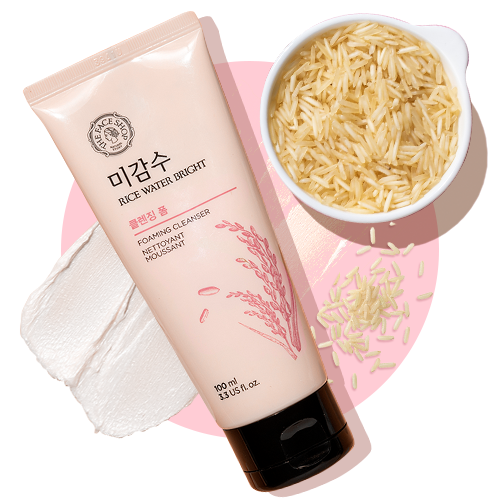
- Gentle Foaming Cleanser: Use a mild formula like Rice Water Bright Cleansing Foam to remove residual dirt without stripping.
- Hydrating Toner: Look for ingredients like hyaluronic acid or rice extract.
- Antioxidant Serum: Niacinamide or green tea extract helps fade dark spots and protect against pollution.
- Barrier-Repairing Emulsion: Try Ceramide & Rice Lightweight Emulsion for lasting hydration and a plump finish.
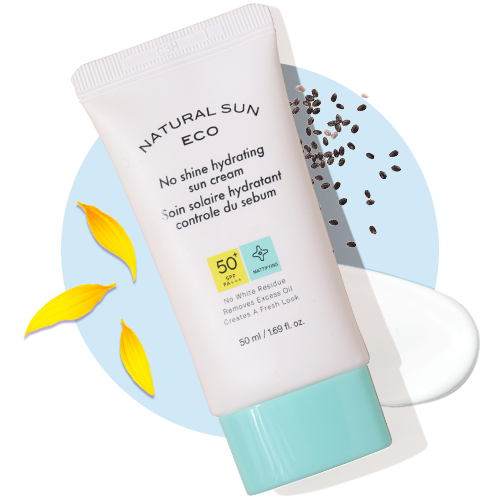
- SPF: Always finish with a broad-spectrum sunscreen, even on cloudy days.
- Pro tip: For busy mornings, the Ceramide & Rice Moisturizing Skincare kit offers a streamlined, travel-friendly solution.
6. Ingredient Spotlight: What Actually Works Against Pollution in India?
Not all ingredients are created equal. For Indian pollution, focus on:
- Niacinamide: Reduces hyperpigmentation and strengthens barrier. Studies show visible improvement in uneven tone within 8 weeks.
- Rice Extract: Traditional in both Korean and Indian beauty, it soothes and brightens without irritation.
- Ceramides: Essential for repairing the skin barrier after pollution exposure.
- Green Tea Extract: Rich in antioxidants, it calms inflammation and neutralizes free radicals.
Look for these in product ingredient lists. Many K-beauty formulas combine them for synergistic effects, making them ideal for Indian skin battling city stress.
7. Value for Money: Are K-Beauty Routines Affordable in India?
One common myth is that K-beauty is expensive. In reality, many effective products are available in India for under INR 1,000. For example, a full routine using Rice Water Bright Cleansing Foam and Ceramide & Rice Lightweight Emulsion can last 2-3 months, costing less than INR 20 per day. Bundled kits and value collections, like the Ceramide & Rice Moisturizing Skincare kit, offer even better savings.
- Check for seasonal offers and combo deals in the 2 at 799 collection for additional value.
- Tip: Investing in barrier repair and antioxidants now can save on expensive treatments for pigmentation later.
8. Common Myths and Mistakes: What to Avoid for Glass Skin in Indian Cities
Many Indian consumers make these mistakes when chasing glass skin:
- Over-cleansing: Stripping skin with harsh soaps worsens sensitivity and dullness.
- Skipping SPF: Pollution and UV together accelerate pigmentation. Sunscreen is non-negotiable, even indoors.
- Ignoring Barrier Repair: Without ceramides or rice extract, skin can't recover from daily stress.
- Using Heavy Creams: In humid cities, thick creams can clog pores and cause breakouts. Opt for lightweight emulsions instead.
Remember: Consistency is key. Results build over weeks, not overnight.
9. Real Results: What Indian Users Say About K-Beauty for Pollution
Indian K-beauty enthusiasts report:
- Noticeable reduction in dullness and dark spots within 4-6 weeks of consistent use.
- Improved skin comfort and fewer breakouts, even during high-pollution months.
- Positive feedback on the lightweight, non-greasy feel of products like Ceramide & Rice Lightweight Emulsion in hot, humid weather.
While individual results vary, most users agree that a K-beauty routine is more effective and gentle than traditional harsh scrubs or single-step products.
10. Your Next Step: Building a Pollution-Proof Glass Skin Routine
Ready to reclaim your glow? Start with a gentle cleanser and barrier-repairing emulsion, then add antioxidant serums as needed. Explore curated kits and value collections to simplify your routine and maximize results. For ongoing tips and exclusive offers, check out the New B2g1 collection.
- Track your progress with weekly selfies to notice subtle improvements in tone and texture.
- Consult a dermatologist if you have persistent pigmentation or sensitivity issues.
With the right approach, glass skin is achievable for every Indian city dweller - no matter how polluted the air.
FAQ
How often should I cleanse my face if I live in a polluted city?
Twice daily is ideal—once in the morning and once after returning home. Over-cleansing can strip your skin, so use gentle formulas.
Can K-beauty routines help with pigmentation caused by pollution?
Yes, especially routines with niacinamide, rice extract, and antioxidants. Consistency is crucial for visible improvement.
Are these routines suitable for oily or combination skin in humid Indian weather?
Absolutely. Lightweight emulsions and hydrating toners work well for oily and combination skin, providing hydration without heaviness.
Is sunscreen necessary even if I stay indoors most of the day?
Yes. UV rays and blue light from screens can worsen pigmentation. Apply SPF daily as the last step of your routine.
How long does it take to see results from a K-beauty anti-pollution routine?
Most users notice brighter, more even skin in 4-6 weeks. Deeper pigmentation may take longer to fade.