
Quick Summary
Confused between retinol and peptides for fine lines? Discover which anti-aging ingredient is best to start with in India, based on skin type, climate, and value.
Fine lines are often the first visible sign of skin aging, and for many Indians, choosing the right anti-aging ingredient can be overwhelming. Retinol and peptides are both celebrated for their ability to target fine lines, but which one should you introduce first? This guide unpacks the science, practical trade-offs, and India-specific considerations so you can make a confident, value-driven choice for your skin.
Understanding Retinol: The Gold Standard for Fine Lines
Retinol, a vitamin A derivative, is globally recognized for its ability to boost collagen production and accelerate cell turnover. In India, retinol serums are increasingly popular for their visible results on fine lines and uneven skin tone. Clinical studies (see NCBI) confirm that regular retinol use can reduce fine lines within 12 weeks. However, Indian skin - often richer in melanin - can be more prone to irritation, purging, or post-inflammatory hyperpigmentation, especially in hot, humid climates.
- Best for: Oily to combination skin, visible fine lines, and those ready for a gradual, evidence-backed approach.
- Value tip: Entry-level retinol serums start at INR 500-800, with premium options up to INR 2000.
Peptides: The Gentle Collagen Boosters
Peptides are short chains of amino acids that signal your skin to produce more collagen and elastin. Unlike retinol, peptides are non-irritating and suitable for sensitive or dry skin types - common in Indian cities with high pollution or hard water. While peptides may deliver slower results, they offer a safer entry point for anti-aging beginners. According to dermatologists, peptides can visibly improve skin texture and firmness within 4-8 weeks, with minimal risk of redness or flaking.
- Best for: Sensitive, dry, or mature skin; those wary of irritation or starting anti-aging for the first time.
- Value tip: Peptide serums and creams range from INR 700 to INR 2500, with multi-peptide blends offering more comprehensive benefits.
Head-to-Head: Retinol vs. Peptides for Indian Skin
| Feature | Retinol | Peptides |
|---|---|---|
| Mechanism | Boosts cell turnover, stimulates collagen | Signals skin to produce collagen, supports barrier |
| Results Timeline | 8-12 weeks | 4-8 weeks |
| Best For | Oily/combination, visible lines | Sensitive/dry, first-timers |
| Side Effects | Possible irritation, purging | Very rare |
| Sun Sensitivity | Yes, always use SPF | No |
| Typical Price (INR) | 500-2000 | 700-2500 |
For Indian consumers, the choice often comes down to skin sensitivity, climate, and willingness to manage side effects. Retinol delivers faster, more dramatic results but requires careful introduction. Peptides offer a gentler, steady improvement - ideal for those with reactive skin or living in high-heat cities like Chennai or Mumbai.
How to Choose: Skin Type, Climate, and Lifestyle Factors
India’s diverse climate and skin tones demand a tailored approach. Here’s a quick checklist to guide your decision:
- Oily/Combination Skin: Retinol can help control oil and refine pores, but start with a low concentration (0.2-0.3%).
- Dry/Sensitive Skin: Peptides are safer, especially if you experience flaking or redness with actives.
- Hot, Humid Climate: Both ingredients work, but retinol may increase sun sensitivity - never skip SPF 50.
- Busy Lifestyle: Peptides require less adjustment and are less likely to disrupt your routine.
For those unsure, try a trial-size product to see how your skin responds before investing in a full-size serum.
Combining Retinol and Peptides: Can You Use Both?
Many Indian skincare enthusiasts wonder if retinol and peptides can be layered. The answer: yes, but timing and formulation matter. Peptides can help buffer the irritation sometimes caused by retinol, making them a smart pairing for advanced routines. For beginners, alternate nights are safest - use retinol one night, peptides the next. Always patch test new combinations, especially if you have a history of sensitivity or pigmentation.
- Morning: Peptide serum or cream
- Night: Retinol serum (start 2-3 times per week)
- Always: Broad-spectrum sunscreen during the day
For a ready-made peptide boost, try the Original Collagen Face Mask with Vegan Collagen & Peptide Complex from The Face Shop.
India-Specific Product Picks: Value and Performance
When shopping for anti-aging in India, look for products that balance efficacy, safety, and value. Here are some top picks:
- Original Collagen Face Mask with Vegan Collagen & Peptide Complex: Delivers a concentrated peptide boost for instant plumping - great before events or as a weekly treat. Priced under INR 200 for a single-use mask.
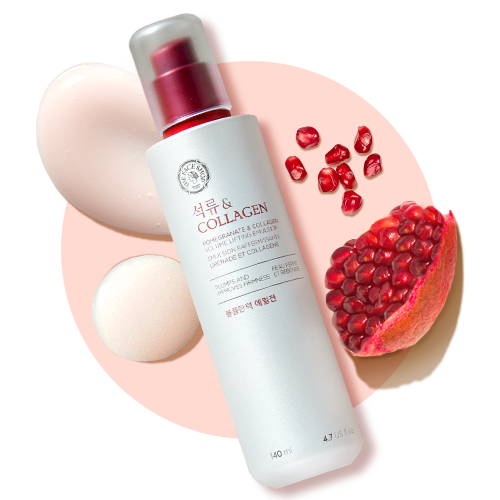
- Collagen & Pomegranate Volume Lifting Cream 50ml: Combines peptides and antioxidants for daily firming. Suitable for all skin types, especially those over 30. Around INR 2000 for a 50ml jar.
- For retinol beginners, start with a gentle serum from the Serum for Anti Ageing collection, which features formulas designed for Indian skin and climate.
Always check ingredient lists for added fragrances or alcohols, which can irritate sensitive skin, especially in the Indian summer.
Common Myths About Retinol and Peptides in India
-
Myth: Retinol thins the skin.
Fact: Retinol actually thickens the deeper skin layers by boosting collagen, though it may cause temporary dryness. -
Myth: Peptides are just marketing hype.
Fact: Peer-reviewed studies confirm peptides can improve firmness and texture, especially when used consistently. -
Myth: You can't use retinol in summer.
Fact: You can, but diligent sun protection is non-negotiable in India’s climate.
Understanding these facts helps you make smarter, safer choices for your anti-aging routine.
Managing Side Effects: Safety Tips for Indian Skin
Retinol can cause dryness, redness, or purging - especially on Indian skin prone to pigmentation. Here’s how to minimize risks:
- Start with a low concentration (0.2-0.3%) and use only 2-3 times per week.
- Apply on dry skin and follow with a gentle moisturizer.
- Never mix with strong acids or vitamin C in the same routine.
- Always use sunscreen, even indoors, to prevent dark spots.
Peptides rarely cause side effects, but always patch test new products, especially if you have a history of eczema or allergies.
Realistic Results: What to Expect and When
Anti-aging is a marathon, not a sprint. Here’s what Indian users can realistically expect:
- Retinol: Noticeable reduction in fine lines and smoother texture in 8-12 weeks. Temporary dryness or flaking is common in the first month.
- Peptides: Improved hydration and subtle firming in 4-8 weeks. Best results with daily use and patience.
Consistency is key. For best value, invest in products you’ll use regularly rather than chasing the highest concentration or trendiest formula.
Summary: Which Should You Start With?
If you’re new to anti-aging, peptides offer a gentle, low-risk entry point - especially for sensitive or dry skin. Retinol is ideal for those ready to commit to a more active routine and can manage the adjustment period. For many Indians, starting with peptides and gradually introducing retinol delivers the best of both worlds: safety, value, and visible results.
Explore The Face Shop’s anti-aging serums and trial store to find your perfect match.
FAQ
Is retinol safe for Indian skin tones?
Yes, retinol is safe for Indian skin when introduced gradually and paired with sunscreen. Start with a low concentration and patch test to avoid irritation or pigmentation.
Can I use peptides and retinol together?
Yes, peptides and retinol can be used in the same routine, but beginners should alternate nights to minimize irritation. Always patch test new combinations.
How long before I see results from retinol or peptides?
Retinol typically shows visible results in 8-12 weeks, while peptides may improve hydration and firmness in 4-8 weeks. Consistency is key for both.
Which is better for sensitive skin: retinol or peptides?
Peptides are generally safer and better tolerated by sensitive skin. Retinol can cause dryness or redness, especially in Indian climates, so start slow if you choose it.
Are The Face Shop's anti-aging products suitable for Indian weather?
Yes, The Face Shop offers anti-aging serums and creams formulated for Indian skin and climate, with options for both retinol and peptides.