
Quick Summary
Discover why not all rice extract products fade dark spots on Indian skin. Learn which K-Beauty forms, like fermented rice water, truly target pigmentation and how to choose the right formula for visible results.
Rice extract is a beloved K-Beauty staple, but does it truly fade dark spots on Indian skin? The answer is nuanced. Not all rice extract products are created equal, and the form, concentration, and formulation matter - especially for Indian skin tones prone to stubborn pigmentation. This guide unpacks the science, busts myths, and helps you choose the right K-Beauty rice extract for visible results.
Why Indian Skin Needs a Targeted Approach to Pigmentation
Indian skin is genetically predisposed to hyperpigmentation due to higher melanin content. Common triggers include sun exposure, acne scars, and hormonal changes. Unlike lighter skin, Indian skin often develops deeper, more persistent dark spots (PIH). Standard brightening products may not be potent or gentle enough for these concerns. That’s why understanding ingredient mechanisms and product forms is crucial.
- Fact: Studies show Indian skin is more likely to develop post-inflammatory hyperpigmentation after acne or injury compared to lighter skin types (NCBI).
- Sun protection and gentle brightening are key for effective, safe results.
Rice Extract: What Is It and How Does It Work?
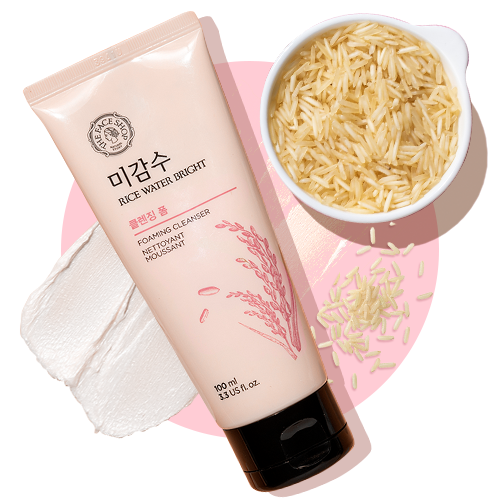
Rice extract is derived from Oryza sativa (rice) and is rich in antioxidants, amino acids, and minerals. In K-Beauty, it’s used for its brightening, soothing, and barrier-supporting properties. But not all rice extracts are equally effective for pigmentation:
- Regular rice water offers mild brightening but limited pigment-fading power.
- Fermented rice extract contains enhanced bioactive compounds, including kojic acid and ferulic acid, which can inhibit melanin production more effectively.
Clinical studies indicate that fermented rice water can reduce melanin synthesis and improve skin tone over 8–12 weeks (NCBI).
Why Most Rice Extract Products Don’t Fade Dark Spots on Indian Skin
Many rice extract products in the Indian market use low concentrations or non-fermented forms, which offer hydration but minimal pigment correction. Key reasons for limited results:
- Low percentage of active rice extract (often under 1%)
- Lack of fermentation, missing out on potent brightening molecules
- Formulas focused on hydration, not targeted pigmentation treatment
For Indian skin, which often needs more intensive pigment correction, these products may not deliver visible results.
The K-Beauty Secret: Fermented Rice Extract for Hyperpigmentation
Fermentation supercharges rice extract by breaking down molecules for better skin absorption and increasing levels of natural brighteners like kojic acid. This makes fermented rice extract a standout for Indian skin:
- Targets melanin at the source, reducing new dark spot formation
- Gentle enough for daily use, minimizing irritation risk
- Improves skin barrier, which is crucial for preventing further pigmentation
Look for products that clearly mention “fermented rice extract” or “saccharomyces/rice ferment filtrate” high on the ingredient list.
How to Choose the Right Rice Extract Product for Indian Skin
Not all rice extract products are created equal. Here’s a quick checklist for Indian consumers:
- Check the ingredient list: Look for fermented rice extract or rice ferment filtrate in the top five ingredients.
- Concentration matters: Products with higher rice extract content (often 5% or more) show better results.
- Formulation synergy: Rice extract works best when paired with niacinamide, licorice root, or ceramides for enhanced brightening and barrier repair.
- Texture for climate: Choose lightweight gels or emulsions for humid Indian summers and richer creams for dry winters.
- Patch test first: Even gentle actives can cause irritation on sensitive Indian skin.
For example, The Face Shop Real Nature Rice Face Mask uses rice extract in a sheet mask format, delivering targeted brightening in just 15 minutes - ideal for busy Indian routines.
Comparing K-Beauty Rice Extract Forms: Mask, Cream, or Toner?
Each format offers unique benefits and trade-offs for Indian skin:
- Sheet Masks: Deliver a concentrated dose of rice extract and hydration. Great for instant glow before events, but effects are temporary.
- Creams: Offer sustained brightening and barrier support. Best for dry or mature Indian skin, especially in winter. Example: Ceramide & Rice Moisturizing Cream combines rice extract with ceramides for double-duty action.
- Toners: Lightweight and layerable, ideal for oily or combination skin. The Ceramide & Rice Moisturizing Toner hydrates without heaviness, prepping skin for serums.
Tip: For stubborn pigmentation, combine a rice extract toner and cream in your routine for layered benefits.
What Results Can You Expect? Realistic Timelines for Indian Skin
Rice extract is gentle and works gradually. Most users see:
- Subtle brightening and smoother texture within 2–4 weeks
- Noticeable fading of dark spots and more even tone after 8–12 weeks of consistent use
Indian skin may take longer to show results due to deeper pigmentation. Consistency, sun protection, and patience are key. Products with added niacinamide or licorice root may accelerate results.
Rice Extract vs. Other K-Beauty Brightening Ingredients in India
How does rice extract stack up against other popular K-Beauty ingredients?
- Rice Extract: Gentle, suitable for sensitive skin, gradual brightening
- Niacinamide: Stronger pigment correction, may cause purging in some
- Vitamin C: Potent but can irritate Indian skin, especially in high humidity
- Snail Mucin: Great for hydration and repair, less direct impact on pigmentation
For those with sensitive or reactive skin, rice extract is a safer first step. For faster results, combine with niacinamide-based products (always patch test).
Smart Shopping: Value, Authenticity, and INR-Friendly Tips
With K-Beauty’s popularity in India, authenticity and value are top concerns. Here’s how to shop smart:
- Buy from authorized retailers or official brand stores to avoid counterfeits.
- Look for combo deals or value sets - like the 2 at 799 collection - for cost-effective routine building.
- Compare price per ml/g to assess true value. For example, a 50ml rice cream at INR 999 offers better long-term value than a 20g mask at INR 150 per use.
- Check for expiry dates and batch codes.
Remember, visible results require consistent use - budget for at least 2–3 months of product supply.
Routine Integration: How to Layer Rice Extract for Best Results
To maximize rice extract’s benefits for pigmentation, follow this simple routine:
- Cleanser: Start with a gentle, non-stripping cleanser.
- Toner: Apply a rice extract toner to prep and hydrate.
- Serum: Use a targeted brightening serum (niacinamide or licorice root).
- Cream: Lock in moisture with a rice extract cream.
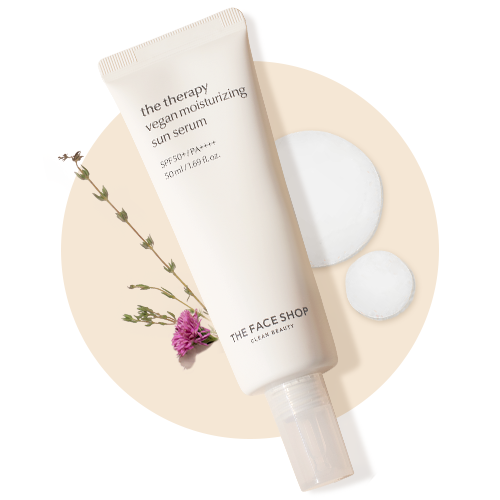
- Sunscreen: Essential daily to prevent further pigmentation.
Pro tip: Use a rice extract sheet mask 1–2 times a week for an extra boost, especially before special occasions.
Limitations and When to See a Dermatologist
Rice extract is effective for mild to moderate pigmentation. However, for very deep or stubborn melasma, professional treatments may be needed. Always consult a dermatologist if:
- Dark spots persist beyond 3–4 months of consistent skincare
- You experience irritation, redness, or worsening pigmentation
- You have underlying hormonal or medical conditions
Skincare is a journey - choose evidence-backed products, stay consistent, and adjust as your skin changes.
FAQ
Does rice extract really fade dark spots on Indian skin?
Rice extract can help fade mild to moderate dark spots, especially in fermented forms. However, results are gradual and depend on concentration, formulation, and consistent use. For deeper pigmentation, professional treatments may be needed.
How long does it take to see results from rice extract products?
Most users notice subtle brightening within 2–4 weeks and more visible fading of dark spots after 8–12 weeks of consistent use. Indian skin may require longer due to deeper pigmentation.
Are rice extract products safe for sensitive Indian skin?
Yes, rice extract is generally gentle and suitable for sensitive skin. Always patch test new products and avoid formulas with added fragrance or alcohol if your skin is reactive.
Which is better for pigmentation: rice extract or niacinamide?
Niacinamide is typically stronger for pigment correction but may cause purging in some. Rice extract is gentler and suitable for sensitive skin. Combining both (with patch testing) can offer enhanced results.
How can I ensure I’m buying authentic K-Beauty rice extract products in India?
Purchase from authorized retailers or official brand stores, check for batch codes and expiry dates, and compare price per ml/g for value. Avoid deals that seem too good to be true.