
Quick Summary
Discover dermatologist-backed insights on rice water for Indian skin. Learn the science, benefits, and practical tips for achieving 'glass skin' using K-Beauty's favorite ingredient.
Rice water has been a beauty staple in Asia for centuries, but does it truly deliver on the promise of 'glass skin' - especially for Indian skin types? We asked dermatologists and analyzed the latest research to uncover the facts, debunk myths, and help you make informed choices. Here’s your expert-backed buying guide for rice water in Indian skincare.
1. What Exactly Is Rice Water? A Dermatologist’s Definition
Rice water is the starchy liquid left after soaking or boiling rice. It contains vitamins (like B and E), amino acids, minerals, and antioxidants. Dermatologists note that rice water’s composition can vary based on rice variety and preparation method. In India, short-grain and basmati rice are common, each with slightly different nutrient profiles.
- Traditional Use: Used for centuries in East Asian and South Asian beauty rituals.
- Modern K-Beauty: Popularized for its gentle brightening and soothing effects.
India-specific tip: Homemade rice water can be unpredictable in strength and hygiene. Dermatologists recommend using tested, stable formulations for safety and efficacy.
2. The Science: How Rice Water Works on Indian Skin
Rice water’s benefits come from its rich mix of antioxidants, amino acids, and minerals. According to studies published in Dermatology Times and JAAD, these compounds can:
- Support skin barrier repair - crucial for Indian skin exposed to pollution and hard water.
- Provide mild brightening by inhibiting melanin transfer (helpful for uneven tone and dark spots).
- Deliver soothing effects, reducing redness and irritation, especially in humid or hot climates.
However, dermatologists caution that rice water is not a miracle cure for pigmentation or acne. Its effects are gentle and best for maintenance, not aggressive treatment.
3. Glass Skin in India: Is It Achievable with Rice Water?
'Glass skin' refers to a smooth, luminous, and hydrated complexion. In India, achieving this look can be challenging due to humidity, pollution, and diverse skin tones. Rice water can help by:
- Boosting hydration without heaviness - ideal for oily or combination skin common in India.
- Supporting a healthy barrier, which is the foundation of a radiant glow.
- Offering gentle brightening for mild pigmentation, but not dramatic whitening.
Dermatologists emphasize that 'glass skin' is about healthy skin, not just fairness. Consistency and layering with other hydrating ingredients (like hyaluronic acid) are key.
4. Fermented vs. Plain Rice Water: Which Is Better?
Fermentation breaks down rice starches into smaller, more bioavailable molecules. This process can increase antioxidant content and enhance skin absorption. For Indian skin, fermented rice water may:
- Deliver deeper hydration - helpful in dry or air-conditioned environments.
- Provide a mild exfoliating effect, improving texture over time.
However, those with sensitive or reactive skin should patch test, as fermentation can also increase the risk of irritation if not properly formulated.
5. Rice Water for Indian Skin Concerns: What Does the Evidence Say?
Let’s break down the most common Indian skin concerns and how rice water stacks up:
- Hyperpigmentation: Rice water can help fade mild spots, but results are gradual. For stubborn pigmentation, dermatologists recommend pairing with actives like niacinamide or vitamin C.
- Acne and Sensitivity: Its soothing properties may calm redness, but rice water is not a primary acne treatment. Look for products free from added fragrance or alcohol.
- Dryness and Barrier Repair: Rice water supports barrier function, especially when combined with ceramides or hyaluronic acid.
In summary, rice water is best as a supportive, not standalone, ingredient for Indian skin concerns.
6. How to Choose the Right Rice Water Product in India
With so many options, here’s a quick checklist for Indian shoppers:
- Formulation: Look for products with stabilized rice water extract, ideally combined with hydrating or soothing ingredients.
- Texture: Lightweight gels, foams, or essences suit most Indian skin types and climates.
- Value: Quality rice water products are available from INR 500 to INR 1500. Consider cost per use and product size.
- Brand Trust: Choose brands with transparent ingredient lists and dermatologist testing.
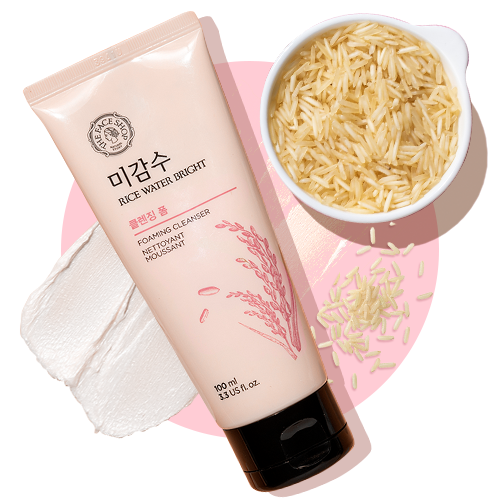
For example, Rice Water Bright Cleansing Foam offers gentle cleansing with rice water extract, while Rice Water Bright Vegan Cream provides lightweight hydration ideal for Indian summers.
7. Rice Water in Your Routine: Practical Tips for Indian Skin
Integrate rice water products for best results:
- Start with a rice water cleanser to remove pollution and sweat without stripping skin.
- Follow with a hydrating toner or essence. Explore the Rice Toner collection for options tailored to Indian skin needs.
- Seal in moisture with a lightweight rice water cream, especially if you have combination or oily skin.
- Use a rice water mask 1-2 times a week for a quick radiance boost. Try the Real Nature Rice Face Mask for a convenient, mess-free option.
Tip: Always patch test new products, especially if you have sensitive or reactive skin.
8. Myths vs. Facts: What Dermatologists Want Indian Consumers to Know
There’s a lot of hype around rice water. Here’s what the science and experts say:
-
Myth: Rice water can dramatically lighten skin.
Fact: It offers mild brightening, not bleaching. Results are subtle and gradual. -
Myth: Homemade rice water is always safe.
Fact: DIY rice water can harbor bacteria if not used fresh. Store-bought, tested products are safer for daily use. -
Myth: All rice water products are the same.
Fact: Efficacy depends on formulation, concentration, and supporting ingredients.
Dermatologists recommend realistic expectations and a holistic routine for best results.
9. Comparing Rice Water with Other Popular K-Beauty Ingredients
How does rice water stack up against other trending ingredients in India?
- Niacinamide: More potent for brightening and oil control, but can be irritating for some.
- Hyaluronic Acid: Superior for deep hydration, but rice water offers added antioxidant benefits.
- Vitamin C: Stronger for pigmentation, but less suitable for sensitive skin compared to rice water.
Rice water is a gentle, supportive ingredient - ideal for layering with actives to minimize irritation and boost results.
10. The Bottom Line: Should You Try Rice Water for Glass Skin?
Rice water is a time-tested, dermatologist-approved ingredient for Indian skin, especially if you seek gentle brightening, hydration, and barrier support. It’s not a cure-all, but it can be a valuable part of a balanced routine - especially when paired with proven actives and sun protection.
For best results, choose products from trusted brands like The Face Shop, follow a consistent routine, and set realistic expectations. Your journey to glass skin starts with healthy, well-cared-for skin - not overnight miracles.
FAQ
Is rice water safe for all Indian skin types?
Yes, rice water is generally safe for most Indian skin types, including sensitive skin. However, always patch test new products and avoid homemade rice water if you have a history of irritation or allergies.
Can rice water remove dark spots or pigmentation?
Rice water can help fade mild pigmentation over time, but results are gradual. For stubborn dark spots, combine rice water with proven actives like niacinamide or vitamin C, and always use sunscreen.
How often should I use rice water products?
You can use rice water cleansers and creams daily. Masks or essences can be used 2-3 times a week. Adjust frequency based on your skin’s response and always follow product instructions.
Is homemade rice water as effective as store-bought products?
Homemade rice water can be less stable and may harbor bacteria if not used fresh. Dermatologists recommend store-bought, tested formulations for consistent results and safety.
What is the best way to include rice water in my skincare routine?
Start with a rice water cleanser, follow with a toner or essence, and finish with a lightweight cream. Use a rice water mask weekly for added radiance. Always patch test new products.