
Quick Summary
Is rice water just a K-Beauty trend, or can it truly repair Indian skin barriers and help you achieve 'Glass Skin'? Dermatologists weigh in with science, practical tips, and India-specific advice.
Rice water has become a viral K-Beauty ingredient, but is it just a fleeting trend or a science-backed solution for Indian skin? With the promise of 'Glass Skin' - that luminous, poreless look - many Indian consumers are curious if rice water can truly repair the skin barrier, especially in our humid, pollution-prone climate. We asked dermatologists and reviewed the latest research to separate fact from fiction, and to help you make informed skincare choices.
1. What Is Rice Water and Why Is It Trending in India?
Rice water is the starchy liquid left after rinsing or boiling rice. In K-Beauty, it’s prized for its vitamins, amino acids, and antioxidants. Indian beauty enthusiasts are drawn to rice water for its gentle, natural reputation and its suitability for sensitive skin. According to a 2023 survey by Nykaa, searches for rice water skincare in India have grown by over 250% year-on-year, reflecting its rising popularity.
- Key nutrients: Vitamin B, E, amino acids, and minerals
- Traditional roots: Used for centuries in Asian skincare rituals
- Modern appeal: Lightweight, non-greasy, ideal for Indian humidity
But does this ingredient live up to the hype for Indian skin concerns?
2. The Science: How Does Rice Water Support Skin Barrier Repair?
The skin barrier is your body’s frontline defense, crucial for retaining moisture and blocking pollutants. Indian skin often faces challenges like dehydration, sensitivity, and pollution-induced damage. Dermatologists point to several rice water components that may help:
- Inositol: A carbohydrate in rice water shown to boost cell repair and hydration
- Ferulic acid: An antioxidant that helps fight free radicals from UV and pollution
- Starch molecules: Form a lightweight film, reducing transepidermal water loss
Clinical studies (see NCBI) suggest rice water can improve skin barrier function, especially when used consistently. However, results vary based on formulation and concentration.
3. Rice Water vs. Other Hydrating Ingredients: What’s Best for Indian Skin?
Indian skin is diverse, often oily or combination, and exposed to heat, humidity, and hard water. How does rice water compare to other popular hydrators?
| Ingredient | Benefits | Best For | INR Value |
|---|---|---|---|
| Rice Water | Gentle, brightening, barrier support | Sensitive, dull, or combination skin | Affordable (from ₹400) |
| Hyaluronic Acid | Deep hydration, plumping | Dry, dehydrated skin | Mid-range (₹500-₹1500) |
| Ceramides | Barrier repair, moisture retention | Damaged, sensitive skin | Premium (₹900+) |
Rice water is a cost-effective, gentle option, but for severe barrier issues, pairing it with ceramides or hyaluronic acid may yield better results.
4. Can Rice Water Help Achieve 'Glass Skin' in Indian Conditions?
'Glass Skin' is all about a hydrated, even-toned, and luminous complexion. In India, achieving this look is challenging due to heat, humidity, and pollution. Dermatologists say rice water can help by:
- Enhancing skin clarity and brightness
- Reducing redness and sensitivity
- Supporting barrier repair for smoother texture
However, rice water alone is not a miracle fix. Consistent use, sun protection, and a balanced routine are essential for visible results. For best outcomes, look for products that combine rice water with other barrier-strengthening ingredients.
5. Dermatologist Insights: Who Should (and Shouldn’t) Use Rice Water?
Indian dermatologists recommend rice water for:
- People with sensitive or redness-prone skin
- Those seeking gentle brightening without harsh actives
- Anyone wanting lightweight hydration in humid climates
Who should be cautious?
- Individuals with fungal acne (rice water’s starches may aggravate)
- Those with severe eczema or open wounds (consult a dermatologist first)
Always patch test before full application, especially if you have a history of allergies.
6. How to Use Rice Water in Your Routine: Step-by-Step for Indian Skin
To maximize rice water’s benefits, dermatologists suggest:
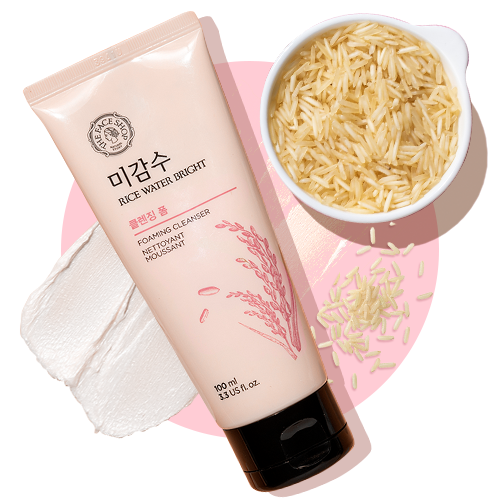
- Cleansing: Start with a gentle cleanser like Rice Water Bright Cleansing Foam to remove dirt and pollution.
- Toning: Apply a hydrating toner to prep the skin.
- Serum/Emulsion: Use a rice water-based emulsion such as Ceramide & Rice Lightweight Emulsion for Barrier Repair for added hydration and barrier support.
- Moisturizer & SPF: Seal in moisture and protect with sunscreen, crucial in the Indian sun.
Tip: For oily skin, opt for lightweight, non-comedogenic formulas to avoid clogged pores.
7. Practical Tips: Getting the Most Value from Rice Water Products in India
- Choose products from trusted brands like The Face Shop for quality and safety.
- Look for multi-taskers - cleansers, emulsions, and toners with rice water offer better value per INR spent.
- Check ingredient lists for added ceramides or hyaluronic acid for enhanced barrier repair.
- Buy during sales or bundles (see POS B2G1 offers) to maximize savings.
Remember, consistency is key - visible improvements typically appear after 4-6 weeks of regular use.
8. Limitations and Myths: What Rice Water Can’t Do for Indian Skin
Despite its benefits, rice water is not a cure-all. Dermatologists clarify:
- It won’t treat deep acne scars or severe pigmentation alone
- Results are gradual, not instant - expect subtle improvements over time
- Homemade rice water may lack the stability and safety of professionally formulated products
For persistent skin issues, always consult a qualified dermatologist.
9. Final Verdict: Is Rice Water Worth Including in Your Indian Skincare Routine?
Rice water is more than a passing trend - it offers gentle, affordable support for Indian skin barriers, especially when combined with other proven ingredients. While it won’t transform your skin overnight, it’s a valuable addition for those seeking 'Glass Skin' in India’s challenging climate. Prioritize quality, consistency, and a holistic routine for the best results.
FAQ
Is rice water safe for sensitive Indian skin?
Yes, rice water is generally safe for sensitive skin due to its gentle, non-irritating nature. However, always patch test before full use, especially if you have a history of allergies.
How long does it take to see results from rice water products?
Most users notice subtle improvements in hydration and brightness after 4-6 weeks of consistent use. Results may vary based on skin type and routine.
Can I use homemade rice water instead of store-bought products?
Homemade rice water may lack the stability, safety, and concentration of professionally formulated products. For best results and safety, choose trusted brands.
Will rice water alone give me 'Glass Skin'?
Rice water helps support the skin barrier and improve clarity, but achieving 'Glass Skin' requires a comprehensive routine including sun protection and hydration.
Are rice water products suitable for oily or acne-prone skin in India?
Yes, many rice water products are lightweight and non-comedogenic, making them suitable for oily or combination skin. Avoid if you have fungal acne, as starches may aggravate it.