
Quick Summary
Is rice water safe for daily use on Indian skin? Dermatologists weigh in with science-backed answers, usage tips, and India-specific advice for every skin type.
Rice water has become a viral sensation in the skincare world, especially among K-Beauty fans in India. But is it truly safe for daily use on Indian skin, or is it just another fleeting trend? We asked dermatologists, reviewed the science, and tested routines to bring you clear, India-specific answers.
1. Why Rice Water? The Science Behind the Hype
Rice water, the starchy liquid left after rinsing or boiling rice, is rich in vitamins B and E, amino acids, and antioxidants. Studies published in the International Journal of Cosmetic Science show rice water may help soothe skin, support barrier repair, and brighten complexion. In Korea and Japan, rice water has been used for centuries for glowing skin, but how does it fare on Indian skin types?
- Indian skin is typically more melanin-rich, making it prone to pigmentation and post-inflammatory marks.
- Indian climate is humid and polluted, which can affect how rice water interacts with the skin.
Dermatologists agree: while rice water has potential, its effects depend on how you use it and your unique skin needs.
2. Is Rice Water Safe for All Indian Skin Types?
Indian skin varies from oily and acne-prone to dry and sensitive. According to Dr. Priya Sharma, a Mumbai-based dermatologist, "Rice water is generally safe for most Indian skin types if prepared hygienically and used in moderation." However, she cautions:
- Oily or acne-prone skin: Rice water is lightweight and non-comedogenic, but improper rinsing can leave residue, potentially clogging pores in humid Indian weather.
- Dry or sensitive skin: Rice water's soothing properties can help, but overuse may cause dryness or irritation, especially if fermented.
Patch testing is essential before daily use, especially if you have a history of allergies or eczema.
3. How to Prepare Rice Water Safely at Home
Contamination is a real risk in India's warm climate. To minimize side effects:
- Rinse 1/2 cup of rice thoroughly to remove dirt and pesticides.
- Add 2 cups of filtered water, soak for 30 minutes, then strain.
- Store in a clean, airtight container in the refrigerator. Use within 2 days.
Pro tip: Avoid fermenting rice water for more than 12 hours in Indian summers, as over-fermentation can increase irritation risk.
4. Daily Use: Dermatologist-Recommended Routine for Indian Skin
For best results, integrate rice water into your routine as a toner or rinse:
- Morning: After cleansing, apply rice water with a cotton pad. Follow with a lightweight moisturizer and sunscreen.
- Evening: Use rice water as a gentle rinse after removing makeup, then apply your regular serum or night cream.
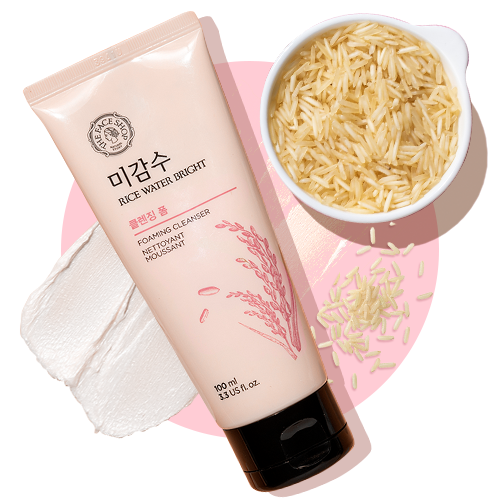
For a ready-to-use option, consider Rice Water Bright Light Cleansing Oil 150ml from The Face Shop, which combines rice water benefits with gentle cleansing, ideal for Indian skin exposed to pollution.
5. What Are the Side Effects? Myths vs. Reality
Common concerns include:
- Breakouts: Rare, but can occur if rice water is left on too long or not rinsed off properly in humid climates.
- Dryness: Overuse, especially with fermented rice water, can strip natural oils.
- Allergies: Uncommon, but possible. Always patch test before full-face application.
Contrary to some myths, rice water does not bleach skin or cause permanent lightening. Its brightening effect comes from gentle exfoliation and antioxidant action, not harsh chemicals.
6. Rice Water vs. Other Brightening Ingredients in India
How does rice water compare to popular actives like niacinamide or vitamin C?
- Rice water: Mild, suitable for sensitive skin, and cost-effective (homemade or under INR 500 for most products).
- Niacinamide: Stronger pigmentation control, but can irritate if overused.
- Vitamin C: Potent antioxidant, but may cause stinging on Indian skin, especially in high humidity.
Rice water is a gentle entry point for beginners or those with sensitive skin, while actives like niacinamide offer targeted results for stubborn pigmentation.
7. Expert Tips: Maximizing Benefits, Minimizing Risks
- Always patch test on your jawline for 24 hours before daily use.
- Limit fermentation time in hot Indian weather.
- Pair rice water with a broad-spectrum sunscreen to prevent pigmentation.
- For travel or convenience, opt for professionally formulated products like Rice Water Bright Light Cleansing Oil 55ml for INR 450, which ensures safety and consistency.
Remember, results are gradual. Give your skin at least 2-4 weeks to show visible improvement.
8. When to Stop: Signs Rice Water May Not Suit You
Discontinue use if you notice:
- Persistent redness, itching, or burning
- Increased breakouts or clogged pores
- Unusual dryness or tightness
If symptoms persist, consult a dermatologist. Not every trend suits every skin type, and Indian skin can be especially reactive in extreme climates.
9. The Bottom Line: Should You Use Rice Water Daily?
Rice water is generally safe for daily use on Indian skin when prepared and applied correctly. It offers gentle brightening and soothing benefits, especially for sensitive or beginner routines. However, it is not a miracle cure for pigmentation or acne, and results vary based on skin type, climate, and product quality.
For those seeking convenience and safety, explore The Face Shop's Rice Water Bright Vegan Cream for a dermatologist-tested, India-friendly option.
FAQ
Is rice water safe for daily use on oily Indian skin?
Yes, if rinsed off properly and not left on for extended periods. Use a lightweight formula and monitor for breakouts.
Can rice water lighten dark spots or pigmentation?
Rice water can help brighten skin and fade mild pigmentation over time, but it is less potent than actives like niacinamide or vitamin C.
How long does homemade rice water last in Indian weather?
Refrigerated rice water lasts up to 2 days. Discard if it smells sour or changes color.
Is fermented rice water better than plain rice water?
Fermented rice water may have more antioxidants but can be irritating for sensitive Indian skin, especially in hot weather.
What is the safest way to try rice water for beginners?
Start with a patch test, use plain (not fermented) rice water, and apply as a toner 2-3 times a week before increasing frequency.