
Quick Summary
Indian dermatologists answer top questions on rice water for 'glass skin'. Learn the science, myths, and best ways to use rice water for Indian skin.
Rice water has become a viral sensation in the K-beauty world, with promises of luminous, poreless 'glass skin'. But does this centuries-old remedy truly deliver for Indian skin types? We asked leading Indian dermatologists to answer your top questions, bust myths, and share practical tips for using rice water in your routine. Read on for evidence-backed insights, real-world examples, and expert guidance tailored for Indian consumers.
1. What Exactly Is 'Glass Skin' and Why Is It Trending in India?
'Glass skin' refers to a complexion that looks exceptionally smooth, clear, and radiant - almost like glass. Originating from Korean beauty trends, it's now a major goal for skincare enthusiasts across India. The trend appeals to Indian consumers because it focuses on healthy, hydrated, and even-toned skin, rather than just fairness or matte looks. According to Dr. Shreya Joshi, a Mumbai-based dermatologist, "Glass skin is less about a single product and more about a consistent, gentle routine that supports your skin barrier."
- Fact: In a 2023 Nykaa survey, over 60% of Indian women aged 18-35 said they aspire to achieve 'glass skin'.
- Tip: Glass skin routines in India often need to account for humidity, pollution, and diverse skin tones.
2. What Are the Real Benefits of Rice Water for Indian Skin?
Rice water is rich in vitamins (like B and E), amino acids, and antioxidants. Dermatologists point out that these nutrients can help soothe, brighten, and hydrate the skin. For Indian skin, which often faces pigmentation, dullness, and sensitivity due to sun exposure, rice water's gentle brightening effect is especially appealing.
- Rice water may help reduce mild pigmentation and even out skin tone over time.
- Its starchy content can calm irritation, making it suitable for sensitive Indian skin.
- It is lightweight and non-greasy, ideal for humid Indian climates.
However, Dr. Ritu Singh, a Delhi-based dermatologist, cautions: "Rice water is not a miracle cure. It works best as part of a broader skincare routine, not as a standalone solution."
3. Rice Water Myths: What Should Indian Consumers Know?
There are several myths about rice water in skincare, especially on social media. Let's clarify the facts:
-
Myth: Rice water can instantly whiten skin.
Fact: Rice water may brighten and improve radiance but does not change your natural skin tone. -
Myth: All rice water DIYs are safe.
Fact: Fermented rice water can sometimes cause irritation or breakouts, especially if not prepared hygienically. -
Myth: Rice water suits every skin type.
Fact: While generally gentle, those with fungal acne or very oily skin should patch test first.
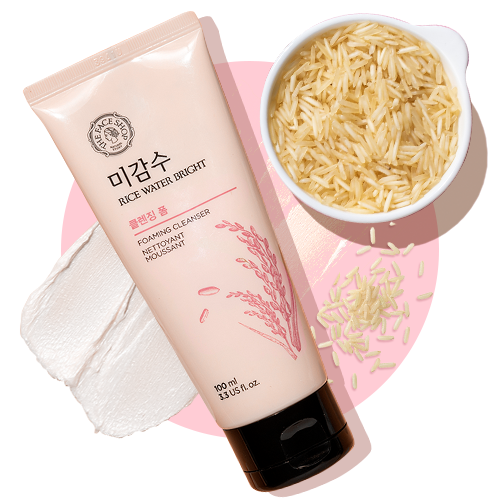
Dermatologists recommend using professionally formulated products, like Rice Water Bright Cleansing Foam, to ensure safety and efficacy.
4. How Does Rice Water Compare to Other Brightening Ingredients?
Rice water is a natural, mild brightener. But how does it stack up against other popular ingredients in India?
| Ingredient | Effectiveness | Suitability for Indian Skin |
|---|---|---|
| Rice Water | Gentle, gradual brightening | Good for most skin types |
| Vitamin C | Potent brightening, antioxidant | Effective but may irritate sensitive skin |
| Niacinamide | Reduces spots, controls oil | Excellent for oily/combination skin |
| Licorice Extract | Targets pigmentation | Safe for Indian skin, but slower results |
Rice water is less likely to cause irritation compared to strong actives, making it a safe entry point for beginners or those with sensitive skin.
5. How to Use Rice Water Safely in Your Indian Skincare Routine
Dermatologists recommend the following steps for Indian consumers:
- Cleansing: Start with a gentle rice water cleanser, such as Rice Water Bright Cleansing Foam, to remove dirt and pollution.
- Toning: Use a hydrating toner from the Toner for Oliy Skin collection if you have oily or combination skin.
- Moisturizing: Lock in hydration with a lightweight emulsion like Ceramide & Rice Lightweight Emulsion for Barrier Repair.
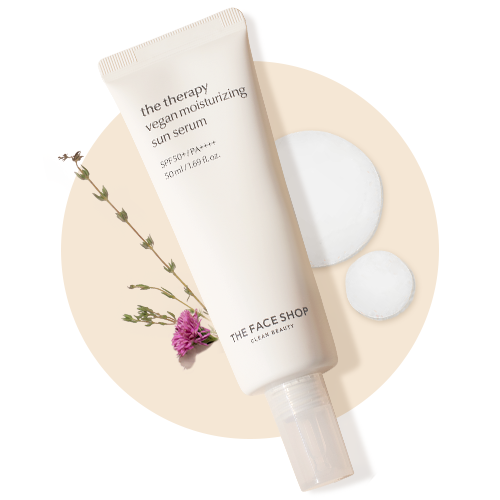
- Sun Protection: Always finish with a broad-spectrum sunscreen, especially in India's intense sun.
Checklist for Safe Use:
- Patch test rice water products before full application.
- Introduce new products one at a time.
- Discontinue use if you notice redness or breakouts.
6. DIY vs. Store-Bought: Which Rice Water Option Is Better for Indian Skin?
While DIY rice water is affordable (costing as little as INR 10-20 per batch), it comes with risks:
- Homemade rice water can harbor bacteria if not stored properly, especially in India's warm climate.
- Fermentation can make rice water more potent but also more irritating for sensitive skin.
Store-bought rice water products, such as those from Rice Water Bright Cleansing Foam, are formulated for safety, stability, and consistent results. While they may cost INR 500-1200, you get dermatologist-tested formulas and longer shelf life.
Trade-off: DIY is budget-friendly but riskier. Store-bought is safer and more effective for most Indian consumers.
7. Who Should Avoid Rice Water in Their Routine?
Rice water is generally safe, but dermatologists advise caution for:
- People with active fungal acne or very oily skin (rice water's starch can feed certain yeasts).
- Those with a history of allergies to grains.
- Anyone experiencing irritation after use - always patch test first.
If you have persistent skin issues, consult a certified dermatologist before adding new ingredients to your routine.
8. Real Results: What Can Indian Consumers Expect from Rice Water?
Clinical studies on rice water are limited, but anecdotal evidence and small trials show:
- Improved skin smoothness and hydration after 2-4 weeks of consistent use.
- Mild reduction in pigmentation and redness, especially when paired with sun protection.
- Best results when used as part of a routine, not as a single solution.
Dr. Joshi notes, "Rice water can be a gentle, effective addition for those seeking glass skin, but patience and consistency are key."
9. Expert Tips: Maximizing Rice Water Benefits in the Indian Climate
To get the most out of rice water in India:
- Use lightweight, non-comedogenic formulas during humid summers.
- Layer with ceramides or hyaluronic acid for extra hydration in dry winters.
- Always combine with sunscreen to prevent pigmentation from worsening.
- Look for products that combine rice water with other proven actives for Indian skin concerns.
For those new to rice water, start with a trial-size product from the Trial Store to see how your skin responds.
Conclusion: Should You Try Rice Water for Glass Skin?
Rice water is a gentle, affordable, and culturally rooted ingredient that can support your journey to glass skin - especially when used wisely and consistently. For Indian skin types, it offers mild brightening, hydration, and soothing benefits with minimal risk. However, it is not a miracle cure and works best as part of a holistic routine. Choose professionally formulated products for safety, and always listen to your skin's needs.
FAQ
Is rice water safe for all Indian skin types?
Rice water is generally safe for most Indian skin types, but those with fungal acne, very oily skin, or grain allergies should patch test first and consult a dermatologist if unsure.
How long does it take to see results from rice water?
Most users notice improved hydration and smoothness within 2-4 weeks of consistent use. Brightening and reduction in pigmentation may take longer and require a holistic routine.
Can I use rice water with other actives like vitamin C or niacinamide?
Yes, rice water can be layered with vitamin C or niacinamide. Start with rice water-based products and gradually add other actives, monitoring for irritation.
Is DIY rice water as effective as store-bought products?
DIY rice water is affordable but less stable and can harbor bacteria if not prepared or stored properly. Store-bought products are formulated for safety and consistent results.
What is the best way to add rice water to my Indian skincare routine?
Use a rice water cleanser, follow with a hydrating toner and lightweight moisturizer, and always finish with sunscreen. Choose professionally formulated products for best results.