
Quick Summary
Curious about rice water for 'glass skin' on Indian skin? Dermatologists answer your top questions with evidence, practical tips, and India-specific advice.
Rice water has become a buzzword in the Indian skincare community, especially for those chasing the coveted 'glass skin' look. But is it truly effective for Indian skin types? Can it address our unique concerns like pigmentation, oiliness, and sensitivity to humidity? We asked dermatologists and reviewed the latest research to answer your most pressing questions about rice water for glass skin, with a focus on Indian complexions.
What Exactly Is Rice Water and Why Is It Trending in India?
Rice water is the starchy liquid left after soaking or boiling rice. In K-Beauty, it's praised for brightening and smoothing the skin. In India, the trend has caught on due to its natural appeal and affordability - homemade rice water costs next to nothing, and even premium rice water products are available for under INR 1,000.
- Key nutrients: Rice water contains amino acids, antioxidants, and vitamins B and E.
- Indian context: Many Indian households already use rice water as a hair rinse, so the transition to skincare feels familiar.
- Why now? The rise of K-Beauty and social media has spotlighted rice water as a gentle, effective option for all skin tones.
Is Rice Water Safe for Indian Skin Types and Tones?
Dermatologists generally consider rice water safe for most Indian skin types, including oily, combination, and sensitive skin. However, patch testing is crucial, especially if you have a history of allergies or eczema. Indian skin, which is more prone to pigmentation and post-inflammatory marks, may benefit from rice water's mild brightening effect, but results vary.
- Evidence: Studies (see NCBI) show rice water can improve skin barrier function and reduce irritation.
- Limitation: Homemade rice water is not standardized, so potency and safety can differ batch to batch.
What Are the Real Benefits of Rice Water for Indian Complexions?
Rice water is rich in inositol, which helps with skin elasticity and hydration. For Indian skin, which often faces harsh sun, pollution, and humidity, rice water offers:
- Brightening: Helps fade mild pigmentation and sun spots over time.
- Soothing: Calms redness and irritation, useful after sun exposure.
- Oil control: Some users report reduced greasiness, especially in humid cities like Mumbai or Chennai.
- Barrier support: Strengthens the skin’s natural defense, which is vital for Indian skin frequently exposed to environmental stressors.
However, rice water is not a miracle cure for deep pigmentation or acne scars. Consistent use is key, and results are gradual.
How Do Dermatologists Recommend Using Rice Water for 'Glass Skin'?
For best results, dermatologists suggest integrating rice water as a toner or cleanser, not as a standalone treatment. Here’s a simple routine tailored for Indian skin:
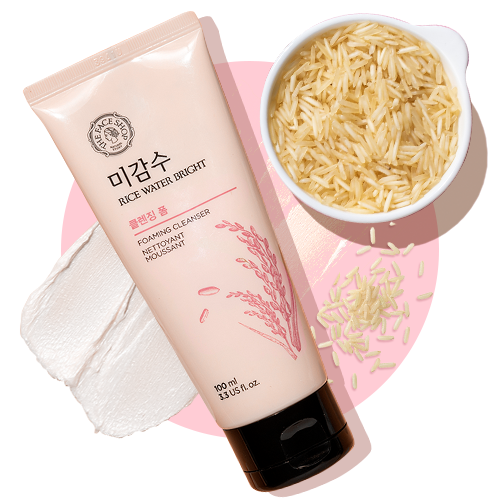
- Cleanse: Use a gentle, rice water-based cleanser like Rice Water Bright Cleansing Foam for effective yet mild cleansing.
- Tone: Apply rice water with a cotton pad or as a facial mist after cleansing.
- Moisturize: Lock in hydration with a lightweight cream, such as Rice Water Bright Vegan Cream 50ml, which suits Indian humidity and doesn’t clog pores.
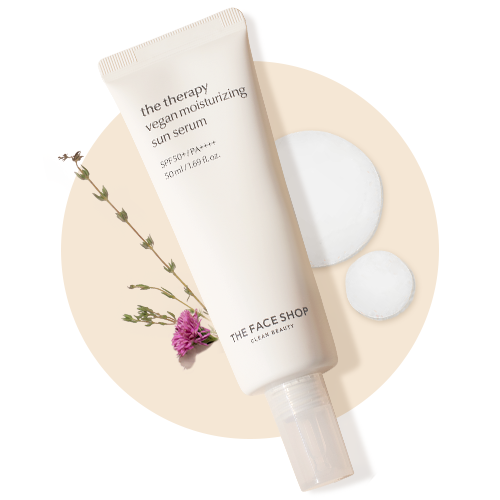
- Sun Protection: Always finish with sunscreen, as rice water does not protect against UV rays.
Pro tip: For those with oily skin, rice water can be used in place of heavy toners. For dry skin, layer it under your usual moisturizer.
DIY vs. Store-Bought: Which Rice Water Option Is Better for Indian Consumers?
Homemade rice water is budget-friendly (almost free) and easy to make. However, it can ferment quickly in India’s warm climate, leading to spoilage or skin irritation. Store-bought options like Rice Water Bright Cleansing Foam and Rice Water Bright Vegan Cream 50ml are formulated for safety, stability, and consistent results. These products are typically priced between INR 700 and INR 1,200, offering good value for those seeking convenience and peace of mind.
- DIY: Ultra-low cost but variable results and shelf life.
- Store-bought: More reliable, dermatologist-tested, and often enriched with additional skin-loving ingredients.
Trade-off: If you have sensitive skin or want predictable outcomes, store-bought is safer. DIY is best for those who enjoy experimenting and can monitor freshness closely.
Can Rice Water Help with Pigmentation and Dark Spots Common in Indian Skin?
Rice water can gently fade mild pigmentation and even out skin tone over time, but it is not a replacement for actives like vitamin C or niacinamide. For stubborn dark spots, dermatologists recommend combining rice water with targeted treatments. Indian skin, which is more susceptible to post-inflammatory hyperpigmentation, may see gradual improvement with consistent use.
- Fact: In a 2018 study, rice bran extract showed modest improvement in melasma when used alongside sunscreen.
- Limitation: Results are subtle and require patience - expect visible changes after 8-12 weeks of regular use.
For best results, use rice water as a supportive step, not the main treatment for pigmentation.
What Are the Risks or Side Effects for Indian Skin?
Rice water is generally well-tolerated, but some risks exist, especially with DIY versions:
- Fermentation: In India’s heat, homemade rice water can spoil quickly, causing irritation or breakouts.
- Allergies: Rare, but possible - always patch test before full application.
- Overuse: Excessive use may disrupt the skin’s pH or cause dryness in some individuals.
Store-bought products from reputable brands like The Face Shop minimize these risks through careful formulation and testing.
How Does Rice Water Compare to Other Popular K-Beauty Ingredients for Indian Skin?
Rice water is gentle and suitable for beginners, but it works best as part of a broader routine. For Indian skin concerns like pigmentation and oiliness, ingredients such as niacinamide, vitamin C, and hyaluronic acid offer more targeted results. However, rice water stands out for its:
- Affordability: Both DIY and store-bought options are accessible for most Indian budgets.
- Gentleness: Lower risk of irritation compared to strong actives.
- Compatibility: Can be layered with other actives for enhanced benefits.
For those new to skincare or with sensitive skin, rice water is a safe entry point. For advanced results, combine it with proven actives under dermatologist guidance.
How to Choose the Right Rice Water Product in India?
With so many options, consider these tips:
- Check ingredients: Look for products with minimal fragrance and added skin-soothing agents.
- Match your skin type: For oily skin, opt for lightweight foams like Rice Water Bright Cleansing Foam. For dry or combination skin, creams such as Rice Water Bright Vegan Cream 50ml work well.
- Value for money: Compare price per ml - most quality rice water products in India range from INR 700 to INR 1,200 for 50-150ml.
- Look for offers: Explore deals like 2 at 799 to maximize value.
Always buy from trusted retailers to ensure authenticity and safety.
FAQs: Your Top Rice Water for Glass Skin Questions, Answered
-
Can I use rice water daily on my face?
Yes, most Indian skin types can use rice water daily as a toner or cleanser, but monitor for dryness or irritation. -
How long does it take to see results with rice water?
Visible brightening and smoother texture may appear after 4-8 weeks of consistent use, but deeper pigmentation takes longer. -
Is rice water suitable for acne-prone Indian skin?
Rice water is non-comedogenic and can soothe inflammation, but it is not a substitute for targeted acne treatments. -
Can I store homemade rice water in Indian weather?
Store in the fridge and use within 3-4 days to prevent spoilage, especially during summer months. -
Are rice water products better than DIY for sensitive skin?
Yes, store-bought products are formulated for stability and safety, reducing the risk of irritation for sensitive Indian skin.
Key Takeaways: Should You Try Rice Water for Glass Skin?
- Rice water is a gentle, affordable option for Indian skin, especially for beginners or those with sensitivity.
- It offers mild brightening, soothing, and oil-control benefits, but is not a cure-all for deep pigmentation.
- Store-bought rice water products offer greater safety and consistency than DIY, especially in India’s climate.
- For best results, use rice water as part of a broader skincare routine and always patch test new products.
Ready to explore rice water skincare? Check out Rice Water Bright Cleansing Foam and Rice Water Bright Vegan Cream 50ml for dermatologist-tested options tailored for Indian skin.
FAQ
Can I use rice water daily on my face?
Yes, most Indian skin types can use rice water daily as a toner or cleanser, but monitor for dryness or irritation.
How long does it take to see results with rice water?
Visible brightening and smoother texture may appear after 4-8 weeks of consistent use, but deeper pigmentation takes longer.
Is rice water suitable for acne-prone Indian skin?
Rice water is non-comedogenic and can soothe inflammation, but it is not a substitute for targeted acne treatments.
Can I store homemade rice water in Indian weather?
Store in the fridge and use within 3-4 days to prevent spoilage, especially during summer months.
Are rice water products better than DIY for sensitive skin?
Yes, store-bought products are formulated for stability and safety, reducing the risk of irritation for sensitive Indian skin.