
Quick Summary
Curious about rice water for 'glass skin'? Indian dermatologists answer your top 7 questions, covering benefits, usage, safety, and practical tips for Indian skin types.
Rice water has become a buzzword in the Indian skincare community, especially for those chasing the elusive 'glass skin' look. But does it truly work for Indian skin types? We asked dermatologists to answer your most common questions, so you can make informed choices for your routine and budget.
1. What is rice water, and why is it trending in Indian skincare?
Rice water is the starchy liquid left after soaking or boiling rice. It’s packed with vitamins, minerals, and amino acids. K-Beauty routines popularized rice water for its brightening and smoothing effects, and Indian consumers are now embracing it for its gentle, natural appeal. According to a 2018 study, rice water contains antioxidants that may help soothe skin and reduce pigmentation - two common concerns for Indian skin.
- Fact: Rice water is rich in inositol, which supports skin barrier repair.
- India-specific tip: Many Indian households already use rice water as a hair rinse. Its adaptation for skin is a natural next step.
2. Can rice water really help achieve 'glass skin' for Indian complexions?
'Glass skin' refers to a smooth, luminous, poreless look. Rice water can help by gently exfoliating, hydrating, and brightening. However, Indian skin often faces unique challenges like hyperpigmentation, tanning, and sensitivity due to sun exposure and pollution. Dermatologists note that rice water can support glow and even tone, but results depend on consistent use and pairing with sun protection.
- Rice water is not a miracle fix; it works best as part of a complete routine.
- For visible results, combine rice water-based cleansers or toners with a broad-spectrum sunscreen.
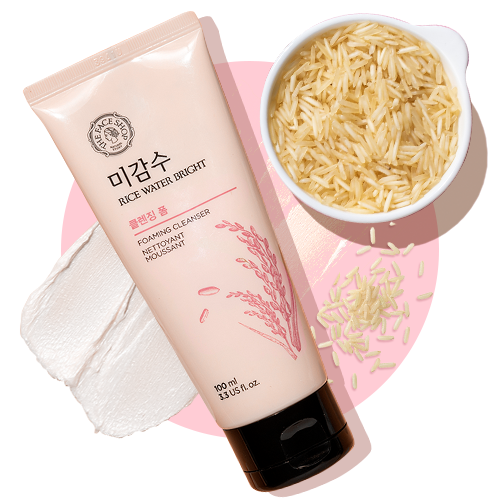
- Products like Rice Water Bright Cleansing Foam are formulated for Indian skin’s needs.
3. How do I use rice water safely in my daily routine?
There are two main approaches: DIY rice water or ready-made K-Beauty products. For Indian consumers, safety and convenience are key. Dermatologists recommend:
- DIY: Use freshly prepared rice water, store in the fridge, and discard after 2-3 days to avoid bacterial growth.
- Products: Opt for tested, pH-balanced formulas like Rice Water Bright Light Cleansing Oil for gentle cleansing without stripping natural oils.
- Patch test before full application, especially if you have sensitive or acne-prone skin.
DIY rice water can be unpredictable in potency, while formulated products offer consistency and safety - often worth the extra INR 500-1000 investment for peace of mind.
4. What are the real benefits of rice water for Indian skin types?
Indian skin is diverse, ranging from oily to dry and from fair to deep tones. Rice water offers:
- Brightening: Reduces dullness and mild pigmentation, especially when paired with niacinamide or vitamin C serums.
- Hydration: Lightweight hydration, ideal for humid Indian summers.
- Soothing: Calms redness and irritation, which is common after sun exposure.
- Barrier support: Strengthens the skin’s protective layer, reducing sensitivity to pollution.
However, for stubborn pigmentation or acne scars, dermatologists suggest combining rice water with targeted actives. Explore our Vitamin C Serum collection for synergistic results.
5. Are there any risks or side effects for Indian skin?
Rice water is generally safe, but there are important caveats:
- DIY rice water can ferment quickly in India’s warm climate, increasing the risk of irritation or breakouts.
- Some individuals may experience dryness or tightness, especially if overused.
- Allergic reactions are rare but possible - always patch test first.
For sensitive skin, dermatologists recommend starting with a diluted rice water toner or a gentle emulsion like Ceramide & Rice Lightweight Emulsion for Barrier Repair.
Conclusion: Should You Try Rice Water for 'Glass Skin' in India?
Rice water offers a gentle, affordable way to boost radiance and hydration for Indian skin. While it won’t transform your skin overnight, it can be a valuable part of a balanced routine - especially when combined with targeted serums and diligent sun protection. For best results, choose tested products, patch test new additions, and stay consistent. Your path to 'glass skin' is a marathon, not a sprint.
FAQ
Is rice water safe for all Indian skin types?
Rice water is generally safe for most Indian skin types, but always patch test first. Sensitive or acne-prone skin may react to fermented or stale rice water, so use fresh DIY preparations or trusted products.
How long does it take to see results from rice water?
Most users notice subtle improvements in brightness and texture within 4-6 weeks of consistent use. For deeper pigmentation or scars, combine rice water with targeted serums for faster results.
Can I use rice water with other actives like vitamin C or niacinamide?
Yes, rice water pairs well with vitamin C or niacinamide. Use rice water-based cleansers or toners first, then layer your serum. This combination can enhance brightening and even skin tone.
Are there any side effects of using rice water on Indian skin?
Side effects are rare but may include dryness, tightness, or breakouts if rice water is overused or not stored properly. Always use fresh rice water and discontinue if irritation occurs.
Should I choose DIY rice water or a ready-made product?
DIY rice water is cost-effective but can be inconsistent and spoil quickly in Indian weather. Ready-made products are safer, more stable, and often include additional skin-friendly ingredients.