
Quick Summary
Discover why rice water is the Korean beauty secret Indian skin needs for a radiant, even-toned 'glass skin' glow—beyond just Vitamin C. Learn how to use it, what to expect, and the best products for your routine.
Indian consumers are no strangers to the pursuit of radiant, even-toned skin. While Vitamin C serums have dominated the conversation, a centuries-old Korean beauty secret - rice water - has quietly emerged as a powerful solution for dullness and uneven tone, especially suited to Indian skin types and climates. This guide reveals why rice water is the missing link in your glass skin journey, how to use it, and what to expect when you make the switch.
1. Why 'Glass Skin' Is Different for Indian Skin Tones
Glass skin, with its translucent, poreless, and luminous finish, is a K-Beauty ideal. But achieving this look on Indian skin comes with unique challenges:
- Melanin-rich skin is more prone to pigmentation and uneven tone.
- Indian climates - from humid Mumbai to dry Delhi - can trigger oiliness or dehydration, making it tough to balance glow and clarity.
- Pollution and sun exposure accelerate dullness and dark spots.
Rice water’s gentle brightening and barrier-supporting properties make it especially effective for these concerns, unlike some actives that may irritate or over-dry Indian skin.
2. Rice Water: The Korean Secret for Glowing Skin
Rice water has been used for centuries in East Asian beauty rituals. Scientific studies (NCBI) show that rice water is rich in amino acids, antioxidants, and vitamins B and E, which help:
- Fade dullness and brighten skin naturally
- Support the skin barrier, reducing sensitivity
- Even out tone without harsh bleaching
Unlike Vitamin C, which can sometimes sting or oxidize in India’s heat, rice water is gentle and stable - making it ideal for daily use in Indian routines.
3. How Rice Water Tackles Dullness and Uneven Tone
Indian skin often develops patchy pigmentation due to sun, stress, and pollution. Rice water addresses this in three ways:
- Inositol in rice water helps inhibit melanin transfer, reducing new dark spots.
- Natural starches gently exfoliate, revealing fresher skin without irritation.
- Antioxidants fight free radicals, slowing down dullness from environmental damage.
Clinical research from Korea and Japan supports these claims, with visible improvement in brightness and evenness after 4-8 weeks of consistent use.
4. Rice Water vs. Vitamin C: Which Is Better for Indian Skin?
Vitamin C is popular for brightening, but it has trade-offs in Indian conditions:
- Can cause tingling or redness on sensitive or recently exfoliated skin
- May oxidize quickly in heat and humidity, losing potency
- Often comes at a higher price point (INR 800-2000 for quality serums)
Rice water, by contrast, is:
- Gentle and suitable for daily use, even on sensitive skin
- Stable in Indian climates, with no risk of oxidation
- More affordable (many cleansers and emulsions under INR 700)
For best results, many dermatologists recommend layering rice water-based products with Vitamin C, but rice water alone can deliver visible glow for those who want a simpler, irritation-free routine.
5. Building a Rice Water Routine for Glass Skin in India
Here’s a step-by-step routine tailored for Indian skin, using rice water as the hero ingredient:
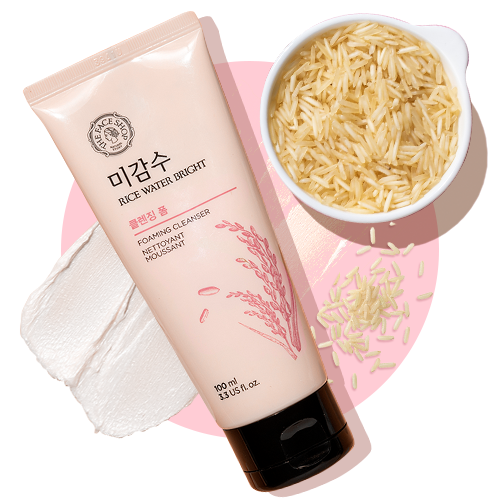
- Cleanse: Start with a gentle rice water cleanser like the Rice Water Bright Cleansing Foam to remove pollution and excess oil without stripping moisture.
- Double Cleanse (for makeup/SPF): Use Rice Water Bright Light Cleansing Oil first, then follow with the foam for a thorough yet gentle cleanse.
- Tone: Choose a hydrating toner (see Toner for Oliy Skin) to prep skin, especially if you have oily or combination skin.
- Moisturize: Lock in hydration with Ceramide & Rice Lightweight Emulsion - perfect for humid Indian summers as it won’t feel heavy or greasy.
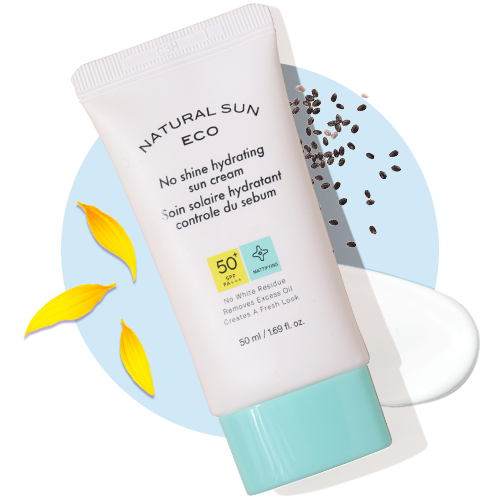
- Protect: Always finish with a broad-spectrum sunscreen suited for Indian sun intensity.
Mini-checklist for Indian skin:
- Patch test new products, especially if you have sensitive or acne-prone skin
- Adjust moisturizer amount based on season - less in summer, more in winter
- Reapply sunscreen every 2-3 hours outdoors
6. Real Results: What to Expect (and How Long It Takes)
Most users in India report:
- Noticeable brightness and smoother texture within 2 weeks
- Reduction in patchy pigmentation and dullness after 4-6 weeks
- Less irritation and breakouts compared to harsher actives
However, results depend on consistency and sun protection. Rice water is not a quick-fix for deep pigmentation but works well for mild to moderate unevenness and overall glow.
7. Choosing the Right Rice Water Products for Indian Skin
Look for products formulated specifically for Indian climates and skin types. Key tips:
- Pick lightweight emulsions or gels for oily/combination skin
- Opt for richer creams if you have dry skin or live in colder regions
- Check ingredient lists for added ceramides or niacinamide for extra barrier support
- Try travel sizes from the Trial Store before committing to full sizes
All rice water products from The Face Shop are dermatologist-tested and formulated for Asian skin, making them a safe bet for Indian consumers.
8. Common Myths and Mistakes: Getting the Most from Rice Water
Myth: Rice water is only for fair skin.
Fact: Rice water brightens all skin tones by improving clarity, not bleaching.
Myth: DIY rice water is as effective as store-bought.
Fact: Homemade rice water can spoil quickly and may lack the concentration or stability of professionally formulated products.
To avoid mistakes:
- Don’t over-exfoliate - rice water is gentle, but combining with strong acids can cause irritation
- Always use sunscreen, as brighter skin is more vulnerable to sun damage
- Be patient - visible results take several weeks
9. The Final Word: Is Rice Water Right for You?
If you’re looking for a gentle, effective way to achieve glass skin without the risk of irritation or high cost, rice water deserves a spot in your routine. It’s especially valuable for Indian skin types dealing with pollution, sun, and pigmentation. For best results, choose dermatologist-tested products from The Face Shop and commit to a consistent routine.
FAQ
Is rice water safe for sensitive Indian skin?
Yes, rice water is generally well-tolerated and less likely to cause irritation compared to many brightening actives. Always patch test first.
How long before I see results with rice water products?
Most users notice brighter, smoother skin within 2-4 weeks, with more even tone after 6 weeks of consistent use.
Can I use rice water with Vitamin C or other actives?
Yes, rice water pairs well with Vitamin C, niacinamide, and ceramides. Avoid layering with strong acids to prevent irritation.
Are rice water products suitable for oily or acne-prone skin?
Absolutely. Choose lightweight, non-comedogenic rice water formulas and always follow with sunscreen.
Where can I buy authentic rice water skincare in India?
Look for dermatologist-tested options from The Face Shop online or at authorized retailers.