
Quick Summary
Is rice water the key to glass skin for Indian skin types? Dermatologists weigh in on its real benefits, safe use, and how it fits into Indian skincare routines.
Glass skin, a term popularised by Korean skincare, refers to a complexion that looks poreless, luminous, and intensely hydrated. In India, where humidity, pollution, and diverse skin tones present unique challenges, many are turning to natural remedies like rice water. But is rice water truly the secret to glass skin for Indian complexions? We asked dermatologists and examined the science to help you decide.
1. What Is Rice Water and Why Is It Trending in Indian Skincare?
Rice water is the starchy liquid left after soaking or boiling rice. Traditionally used in Asian beauty rituals, it has gained popularity in India due to the K-Beauty wave and its reputation for brightening and soothing skin. Social media is filled with DIY recipes, but experts urge caution. Not all rice water is created equal, and its benefits depend on how it’s prepared and used.
- Key nutrients: Rice water contains amino acids, vitamins B and E, and antioxidants.
- Indian context: Many Indian households already use rice water for hair care, making it a familiar ingredient.
- Dermatologist insight: Dr. Neha Sharma, a Mumbai-based dermatologist, notes, “Rice water can soothe and hydrate, but results vary based on skin type and climate.”
2. How Does Rice Water Work for Indian Skin Types?
India’s climate ranges from humid coasts to dry interiors, and Indian skin often deals with pigmentation, oiliness, and sensitivity. Rice water’s gentle composition makes it suitable for most skin types, but especially for those with oily or combination skin.
- Oily skin: Rice water’s astringent properties can help control excess sebum without stripping moisture.
- Dry skin: It provides lightweight hydration but may not be enough alone in drier regions.
- Sensitive skin: Its anti-inflammatory effect can calm irritation, but patch testing is essential.
Counterintuitive fact: While rice water is gentle, overuse or improper storage can cause breakouts, especially in hot Indian summers.
3. What Does Science Say? Evidence Behind Rice Water for Glass Skin
Research on rice water’s benefits is promising but limited. Studies cited by PubMed and Healthline suggest rice water may improve skin barrier function and reduce inflammation. However, most studies are small or use rice-derived extracts, not homemade rice water.
- Barrier repair: Rice starch can reduce water loss, supporting hydration.
- Brightening: Some evidence shows rice water may fade mild pigmentation over time.
- Limitations: Effects are subtle and gradual. For stubborn pigmentation, actives like vitamin C or niacinamide are more effective.
In summary, rice water can support a glass skin routine, but it’s not a miracle fix.
4. How to Use Rice Water Safely in Your Routine (Indian Climate Edition)
Indian weather can speed up spoilage of DIY rice water, increasing the risk of irritation. Dermatologists recommend:
- Always use freshly prepared rice water (within 24 hours).
- Store in a clean, airtight container in the fridge.
- Patch test on your jawline before applying to your face.
- Limit use to 2-3 times a week, especially in hot, humid cities like Mumbai or Chennai.
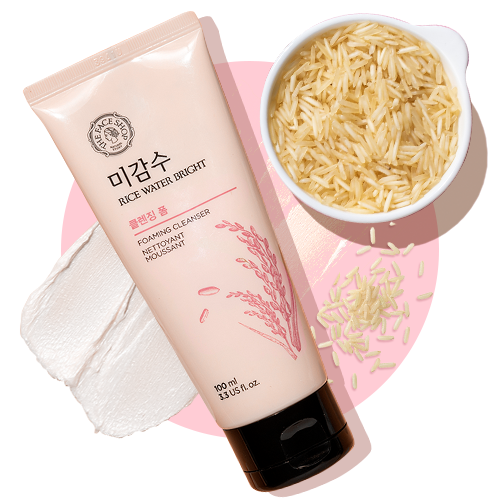
Pro tip: If you prefer convenience and safety, opt for formulated products like Rice Water Bright Cleansing Foam from The Face Shop, which are tested for stability and skin safety.
5. Rice Water vs. Other Hydrating Ingredients: What’s Best for Indian Skin?
Rice water is gentle and affordable, but how does it compare to other hydrating ingredients commonly recommended by dermatologists?
| Ingredient | Benefits | Best for | INR Value |
|---|---|---|---|
| Rice Water | Soothes, mild brightening | Oily/combination, sensitive | DIY: minimal; Formulated: ₹500–₹1200 |
| Hyaluronic Acid | Deep hydration | All skin types | ₹800–₹2000 |
| Vitamin C | Brightening, pigmentation | Dull, pigmented skin | ₹700–₹1800 |
| Niacinamide | Oil control, barrier repair | Oily, acne-prone | ₹600–₹1500 |
Takeaway: For visible glass skin, combine rice water with proven actives and a consistent routine.
6. Should You DIY or Buy? Trade-Offs for Indian Consumers
DIY rice water is budget-friendly but comes with risks:
- DIY: Costs less than ₹20 per batch, but hygiene and spoilage are concerns. Results may be inconsistent.
- Formulated products: Like Rice Water Bright Vegan Cream 50ml from The Face Shop are tested for safety, offer stable concentrations, and often include additional brightening ingredients. Price ranges from ₹900–₹1200, but delivers more reliable results.
Expert tip: If you have sensitive or acne-prone skin, formulated options are safer, especially in India’s hot climate.
7. Building a Glass Skin Routine for Indian Skin: Step-by-Step
Want to achieve glass skin? Here’s a dermatologist-approved routine tailored for Indian skin and weather:
- Cleanse: Use a gentle, hydrating cleanser. Try Rice Water Bright Cleansing Foam for a mild, brightening cleanse.
- Tone: Apply a hydrating toner to prep skin. Explore options in our Hydrating Toner collection.
- Essence/Serum: Layer a serum with hyaluronic acid or niacinamide for deeper hydration and oil control.
- Moisturise: Use a lightweight, non-comedogenic moisturiser. In humid regions, gel-based creams work best.
- Protect: Always finish with a broad-spectrum sunscreen, even indoors, to prevent pigmentation.
Checklist for Indian skin:
- Choose products suitable for your skin type and local climate.
- Introduce new ingredients one at a time.
- Be patient - glass skin is a result of consistent care, not overnight miracles.
8. Common Myths About Rice Water and Glass Skin - Debunked
-
Myth 1: “Rice water alone will give you glass skin.”
Fact: It helps, but a holistic routine is essential. -
Myth 2: “DIY rice water is always safe.”
Fact: Improper storage can cause irritation or breakouts, especially in India’s heat. -
Myth 3: “Rice water suits all skin types.”
Fact: Sensitive or acne-prone skin may react. Always patch test. -
Myth 4: “More is better.”
Fact: Overuse can disrupt your skin’s balance.
Trust evidence, not just trends. Consult a dermatologist if you have persistent concerns.
9. Real Indian Experiences: What Do Users and Experts Say?
Many Indian users report softer, brighter skin after adding rice water to their routine, especially when combined with other hydrating products. Dermatologists agree it can be a gentle addition, but stress that results are gradual and depend on consistency.
- User tip: “I noticed less oiliness and a subtle glow after a month of using rice water as a toner.” – Priya, Bengaluru
- Expert view: “Rice water is best used as part of a broader skincare routine, not as a standalone solution.” – Dr. Sharma
For best results, blend tradition with science-backed products designed for Indian skin.
10. Final Verdict: Is Rice Water the Secret to Glass Skin for Indian Complexions?
Rice water offers gentle hydration and mild brightening, making it a valuable addition to a glass skin routine for Indian skin types. However, it works best when combined with proven actives and a consistent regimen. For safety and convenience, especially in India’s climate, consider formulated products from trusted brands like The Face Shop.
Remember: Glass skin is about healthy, well-cared-for skin - not just one ingredient. Choose what fits your skin, budget, and lifestyle.
FAQ
Is rice water safe for all Indian skin types?
Rice water is generally safe for most Indian skin types, especially oily and combination skin. However, sensitive or acne-prone skin should always patch test first, as improper storage or overuse can cause irritation.
How often should I use rice water on my face?
Limit rice water use to 2-3 times a week, especially in hot and humid Indian climates. Overuse can disrupt your skin’s natural balance.
Can rice water remove pigmentation or dark spots?
Rice water may help fade mild pigmentation over time, but for stubborn dark spots, dermatologists recommend actives like vitamin C or niacinamide for better results.
Is DIY rice water as effective as store-bought products?
DIY rice water is cost-effective but may lack stability and consistency. Formulated products from trusted brands are tested for safety, offer stable concentrations, and often include additional beneficial ingredients.
What is the best way to store rice water in India?
Store freshly prepared rice water in a clean, airtight container in the refrigerator and use within 24 hours to prevent spoilage, especially in India’s warm climate.