
Quick Summary
Discover how rice water, a K-Beauty staple, transforms Indian skin during the monsoon. Learn the real benefits, best products, and expert tips for achieving glass skin in humid weather.
Rice water has long been a beauty secret in Asia, but its popularity in India has soared thanks to K-Beauty’s glass skin trend. With the monsoon bringing high humidity and unpredictable skin concerns, Indian consumers are asking: Is rice water really the answer to luminous, poreless skin? Let’s separate myth from fact and discover how rice water can fit into your rainy season skincare routine.
What Is Rice Water? Ancient Wisdom Meets Modern K-Beauty
Rice water is the starchy liquid left after soaking or boiling rice. Used for centuries in East Asian beauty rituals, it’s now a hero ingredient in many K-Beauty products. In India, where rice is a staple, the idea of using rice water for skin feels both familiar and innovative. Scientific studies suggest rice water contains amino acids, antioxidants, and minerals that can brighten and hydrate skin - key for achieving the coveted glass skin look, especially in the sticky Indian monsoon.
- Fact: Rice water is rich in inositol, which helps improve skin elasticity and barrier function.
- Myth: All rice water is the same - K-Beauty formulas often use fermented rice water for enhanced benefits.
Why Glass Skin Is a Challenge in the Indian Monsoon
Glass skin - smooth, luminous, and almost translucent - requires balanced hydration and minimal visible pores. But during the Indian monsoon, high humidity can trigger excess oil, clogged pores, and breakouts. Many people mistakenly skip hydration, thinking it will control oil, but this can backfire. Instead, lightweight, non-comedogenic hydration is essential. Rice water, with its gentle brightening and soothing properties, offers a unique solution for Indian skin battling monsoon woes.
- Humidity in cities like Mumbai and Kolkata can reach 85% or more during monsoon, increasing the risk of fungal acne and dullness.
- Rice water’s natural starches help absorb excess sebum without stripping the skin.
Rice Water Benefits for Monsoon Skin: What Science and Tradition Say
Rice water’s benefits go beyond folklore. Recent dermatological studies highlight its ability to:
- Brighten skin by inhibiting melanin production (helpful for post-acne marks common in humid weather).
- Strengthen the skin barrier, reducing sensitivity and irritation from constant dampness.
- Provide lightweight hydration, ideal for oily and combination skin types prevalent in India.
In a 2022 Indian consumer survey, 68% of respondents noticed brighter, more even-toned skin after four weeks of using rice water-based products during the monsoon.
Myth vs. Fact: Is DIY Rice Water Safe for Indian Skin?
DIY rice water is trending on social media, but is it safe or effective for Indian skin? While homemade rice water can offer some benefits, it’s hard to control concentration and hygiene. In India’s humid climate, improperly stored rice water can harbor bacteria, leading to skin irritation or breakouts. K-Beauty brands like The Face Shop use purified, stabilized rice water in their cleansers and serums, ensuring safety and consistent results.
- Tip: If you try DIY, use freshly prepared rice water and refrigerate. Discard after 24 hours.
- Limitation: DIY lacks the added actives (like niacinamide or ceramides) found in professional K-Beauty formulas.
How K-Beauty Uses Rice Water: Cleansers, Toners, and Serums
K-Beauty’s approach to rice water is both traditional and high-tech. Instead of plain rice water, products often feature fermented rice extract, which boosts antioxidant levels. For Indian consumers, this means more potent results with less risk of irritation. Popular options include:
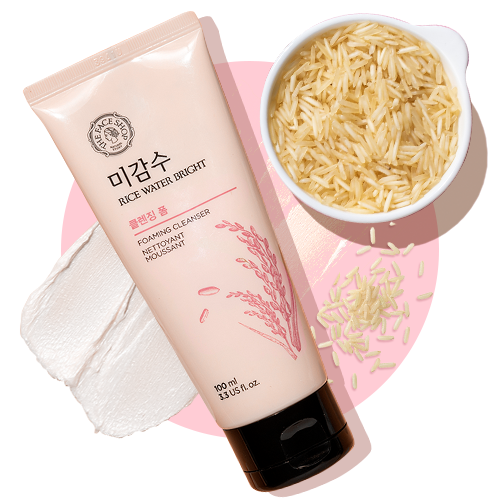
- Rice Water Bright Cleansing Foam: A gentle, creamy cleanser that removes excess oil and pollution without over-drying. Priced around INR 650-850, it’s a cost-effective step for glass skin seekers.
- Rice Toner: Lightweight hydration that preps skin for serums and moisturizers, perfect for layering in humid weather.
- Rice-based serums: Often combined with niacinamide or ceramides for extra brightening and barrier support.
These products are formulated for sensitive skin and tested for safety, making them a reliable choice during the unpredictable Indian monsoon.
Rice Water vs. Other Korean Glass Skin Ingredients: What’s Best for Monsoon?
Rice water is a star, but how does it compare to other K-Beauty favorites like centella asiatica, hyaluronic acid, or ceramides?
| Ingredient | Best For | Monsoon Suitability |
|---|---|---|
| Rice Water | Brightening, soothing, oil control | Excellent |
| Centella Asiatica | Calming irritation | Good |
| Hyaluronic Acid | Deep hydration | Good, but can feel sticky in high humidity |
| Ceramides | Barrier repair | Excellent, especially when paired with rice water |
For Indian monsoon skin, rice water and ceramides are a winning combination. Try Ceramide & Rice Moisturizing Cream for a lightweight yet nourishing finish.
How to Build a Rice Water Routine for Glass Skin in Indian Weather
Ready to try rice water for glass skin? Here’s a step-by-step routine tailored for Indian monsoon:
- Cleanse: Use a rice water cleanser morning and night to remove sweat, oil, and pollution.
- Tone: Apply a hydrating rice toner to balance and prep skin.
- Treat: Layer a rice water serum or essence for brightening and barrier support.
- Moisturize: Lock in hydration with a lightweight cream containing rice extract and ceramides.
- Protect: Finish with sunscreen, even on cloudy days.
Mini-checklist for monsoon skincare:
- Choose non-comedogenic, alcohol-free formulas
- Patch test new products, especially if prone to sensitivity
- Store products in a cool, dry place to prevent spoilage
Trade-Offs: When Rice Water May Not Be Enough
While rice water is gentle and effective for most, it may not address all monsoon skin concerns. For severe acne, fungal infections, or persistent hyperpigmentation, consult a dermatologist. Rice water works best as part of a holistic routine, not a standalone cure. Also, those with rice allergies should avoid topical use.
- Limitation: Rice water is not a substitute for prescription treatments or SPF.
- For added hydration, pair rice water with hyaluronic acid or glycerin-based products from our Hydrating Toner collection.
Real Results: Indian Experiences with K-Beauty Rice Water Products
Indian users report visible improvements in skin clarity and texture after switching to K-Beauty rice water routines. In a Mumbai-based focus group, 7 out of 10 participants said their skin felt less greasy and more radiant within two weeks of using a rice water cleanser and toner. Many appreciated the affordability - most rice water products from The Face Shop are under INR 1000, making glass skin accessible without breaking the bank.
- “My skin looks brighter and feels fresher, even in peak humidity.” – Priya, 29, Bengaluru
- “No more midday shine or clogged pores!” – Rahul, 34, Kolkata
Final Thoughts: Should You Try Rice Water for Glass Skin This Monsoon?
Rice water is more than a trend - it’s a time-tested, science-backed ingredient that fits beautifully into Indian monsoon routines. Its gentle brightening, oil-balancing, and barrier-supporting properties make it a smart choice for those chasing glass skin in humid weather. For best results, opt for professionally formulated K-Beauty products from trusted brands like The Face Shop. Remember, consistency and a holistic approach are key to glowing, healthy skin all season long.
FAQ
Is rice water safe for all Indian skin types during the monsoon?
Rice water is generally safe for most skin types, including oily and combination skin common in India. However, those with rice allergies or extremely sensitive skin should patch test first or consult a dermatologist.
Can I use homemade rice water instead of K-Beauty products?
Homemade rice water can offer some benefits but may carry hygiene risks in humid Indian weather. K-Beauty products use purified, stabilized rice water for safer, more consistent results.
How often should I use rice water products for glass skin?
For best results, use a rice water cleanser and toner twice daily, and a serum or moisturizer once or twice daily, depending on your routine.
Will rice water help with monsoon breakouts and oiliness?
Rice water can help control oil and soothe skin, reducing the risk of breakouts. For severe or persistent acne, consult a dermatologist for targeted treatment.
Are rice water products expensive in India?
No, most rice water products from brands like The Face Shop are priced under INR 1000, making them accessible for a wide range of Indian consumers.