
Quick Summary
Is rice water the secret to 'Glass Skin' in India's humid climate, or just another K-Beauty myth? Dermatologists weigh in with science, practical tips, and India-specific advice.
Rice water is everywhere on social media, promising the coveted 'Glass Skin' look. But does this K-Beauty staple actually work for Indian skin, especially in our hot, humid climate? We asked dermatologists and examined the science to separate fact from fiction. Here’s what you need to know before you try rice water for yourself.
1. What Is 'Glass Skin' - and Why Is It So Popular in India?
'Glass Skin' refers to a complexion that looks poreless, luminous, and intensely hydrated - almost like glass. The trend, rooted in Korean beauty routines, has gained traction in India thanks to its promise of radiant, healthy-looking skin. But achieving this look in India’s humidity can be challenging, as excess oil and sweat often get in the way.
- Fact: Indian skin tends to be combination-to-oily, especially in coastal cities like Mumbai and Chennai.
- Challenge: High humidity can make skin look greasy instead of dewy.
- Tip: The right hydration (not just oil control) is key to the 'Glass Skin' effect.
2. Rice Water in K-Beauty: Tradition Meets Trend
Rice water - literally the starchy water left after rinsing or boiling rice - has been used for centuries in Asian skincare. Korean and Japanese women have long praised it for brightening and softening the skin. In K-Beauty, rice water is often found in cleansers, toners, and creams.
- Rice water contains vitamins B and E, amino acids, and antioxidants.
- It’s believed to help with dullness, mild pigmentation, and hydration.
- Modern K-Beauty brands, like The Face Shop, have formulated rice water-based products for daily use.
3. Does Rice Water Actually Work? Dermatologists Weigh In
According to Dr. Priya Verma, a dermatologist in Delhi, “Rice water can offer mild brightening and soothing benefits, but it’s not a miracle ingredient.” Clinical studies (see NCBI) suggest rice water may help with skin barrier repair and mild hyperpigmentation, but results are subtle and gradual.
- Evidence: Rice water’s antioxidants and inositol may help protect and repair skin, but effects are modest compared to actives like niacinamide or vitamin C.
- Limitation: DIY rice water can spoil quickly and may cause irritation if not prepared hygienically.
4. Rice Water and Indian Humidity: What Changes?
India’s climate is unique - high humidity, pollution, and UV exposure all impact skin health. While rice water is lightweight, it’s not a one-size-fits-all solution.
- In humid cities, rice water can hydrate without feeling heavy, but it won’t control oil or sweat.
- For dry or air-conditioned environments (like offices in Delhi or Bengaluru), rice water may not provide enough moisture alone.
- Layering with a lightweight, non-comedogenic moisturizer is essential for lasting results.
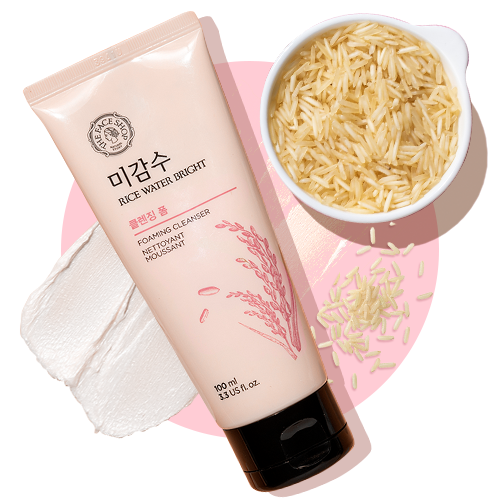
Pro tip: Use rice water-based cleansers or toners, like The Face Shop Rice Water Bright Cleansing Foam 100 ml, for gentle cleansing without stripping natural oils.
5. Comparing Rice Water to Other K-Beauty Ingredients
Rice water is gentle and affordable, but how does it stack up against other popular K-Beauty ingredients?
| Ingredient | Best For | Limitation |
|---|---|---|
| Rice Water | Mild brightening, soothing | Subtle results, not for deep pigmentation |
| Niacinamide | Oil control, pigmentation, barrier repair | May cause irritation in high concentrations |
| Hyaluronic Acid | Hydration, plumping | Needs to be sealed with moisturizer in humidity |
For best results, combine rice water with actives that target your specific concerns. For example, use a rice toner after cleansing, then follow with a niacinamide serum and lightweight moisturizer.
6. DIY Rice Water vs. Store-Bought: Which Is Better for Indian Skin?
While DIY rice water is popular on Instagram, dermatologists caution about contamination and inconsistent potency. Store-bought formulas, like those from The Face Shop, are stabilized, tested for safety, and often enriched with additional skin-loving ingredients.
- DIY: Cheap (under ₹50), but short shelf life and risk of bacteria.
- Store-Bought: Typically ₹500–₹1500, but safer, more effective, and convenient for daily use.
For sensitive or acne-prone skin, dermatologists recommend choosing a reputable product over homemade versions.
7. How to Use Rice Water for 'Glass Skin' in India: Step-by-Step Routine
Want to try rice water for yourself? Here’s a dermatologist-approved routine for Indian weather:
- Cleanse: Use a gentle rice water cleanser (The Face Shop Rice Water Bright Cleansing Foam).
- Tone: Apply a hydrating rice toner (see collection).
- Treat: Layer a serum with niacinamide or vitamin C for added brightening.
- Moisturize: Choose a lightweight, non-comedogenic cream, especially in humid weather.
- Protect: Finish with a broad-spectrum sunscreen (SPF 30+), crucial for Indian sun exposure.
Mini-checklist for Indian skin:
- Patch test new products
- Adjust frequency if you notice irritation
- Always use sunscreen to prevent pigmentation
8. Realistic Results: What to Expect and What Not to Believe
Rice water can help skin look fresher and more hydrated, but it won’t erase deep pigmentation, acne scars, or pores overnight. Expect gradual improvement in skin texture and brightness with consistent use.
- Visible results may take 4–8 weeks of regular use
- For stubborn pigmentation or acne, consult a dermatologist for targeted treatments
- Beware of exaggerated claims - no single ingredient can deliver 'Glass Skin' instantly, especially in Indian humidity
9. The Bottom Line: Is Rice Water Worth Trying for Indian Skin?
Rice water is a gentle, affordable addition to your skincare routine, especially if you want mild brightening and hydration. For Indian skin in humid climates, it works best as part of a balanced routine - not a miracle cure. Choose safe, well-formulated products and manage expectations for healthy, glowing skin.
Frequently Asked Questions
- Is rice water safe for all Indian skin types? Generally, yes. However, those with sensitive or acne-prone skin should patch test first and avoid DIY versions that may harbor bacteria.
- How long does it take to see results from rice water? Most users notice subtle improvements in texture and brightness after 4–8 weeks of regular use.
- Can I use rice water daily in humid Indian weather? Yes, but use lightweight formulas and avoid layering with heavy creams to prevent clogged pores.
- Is store-bought rice water better than homemade? Store-bought products are safer, more stable, and often more effective due to added ingredients and quality testing.
- Will rice water remove pigmentation or acne scars? Rice water may help with mild pigmentation, but it is not effective for deep scars or stubborn spots. Consult a dermatologist for advanced concerns.
FAQ
Is rice water safe for all Indian skin types?
Generally, yes. However, those with sensitive or acne-prone skin should patch test first and avoid DIY versions that may harbor bacteria.
How long does it take to see results from rice water?
Most users notice subtle improvements in texture and brightness after 4–8 weeks of regular use.
Can I use rice water daily in humid Indian weather?
Yes, but use lightweight formulas and avoid layering with heavy creams to prevent clogged pores.
Is store-bought rice water better than homemade?
Store-bought products are safer, more stable, and often more effective due to added ingredients and quality testing.
Will rice water remove pigmentation or acne scars?
Rice water may help with mild pigmentation, but it is not effective for deep scars or stubborn spots. Consult a dermatologist for advanced concerns.