
Quick Summary
Uncover the real benefits of rice water for Indian skin. Go beyond brightening myths to learn how it hydrates, supports your skin barrier, and fits Indian climates.
Rice water has become a buzzword in Indian skincare, often praised for its brightening effects. But is it really a miracle solution for glowing skin, or are there deeper benefits you might be missing? Let’s break down the myths and reveal what rice water truly offers for Indian skin types and climates.
1. Myth vs. Fact: Is Rice Water Only for Brightening?
Many believe rice water’s main benefit is skin brightening. While it does contain antioxidants and amino acids that can help even out skin tone, scientific studies and real-world results show its effects are subtle, especially on deeper Indian skin tones. Instead, rice water’s real power lies in hydration and supporting the skin barrier, which is crucial for Indian climates where heat, humidity, and pollution can strip moisture from your skin.
- Fact: Rice water is a gentle hydrator, not a bleaching agent.
- Indian context: For visible brightening, ingredients like Vitamin C or niacinamide are more effective than rice water alone.
2. The Science: What Does Rice Water Actually Do?
Rice water is rich in inositol, amino acids, and minerals. These compounds help lock in moisture, soothe irritation, and support the skin’s natural barrier. For Indian skin, which often faces dehydration due to air conditioning, sun exposure, and pollution, these benefits are more valuable than chasing a lighter skin tone.
- Inositol helps reduce water loss from the skin.
- Rice water’s antioxidants protect against environmental stressors common in Indian cities.
Clinical studies (see NCBI) show rice water can improve skin elasticity and soothe mild irritation, but dramatic brightening is not guaranteed.
3. Hydration Benefits: Why Indian Skin Needs More Than Brightening
Indian summers can be harsh, and even oily skin types can become dehydrated. Rice water’s lightweight hydration is ideal for Indian skin, as it absorbs quickly without leaving a greasy residue. This makes it suitable for all skin types, including sensitive and acne-prone skin.
- Unlike heavy creams, rice water-based products won’t clog pores in humid weather.
- Hydration helps reduce the appearance of fine lines and dullness, which is often mistaken for pigmentation.
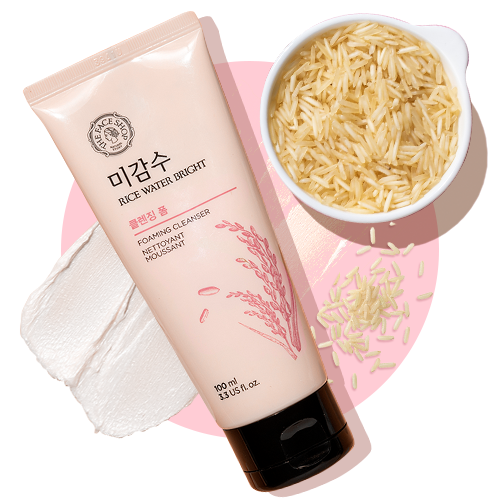
For a practical routine, try Rice Water Bright Cleansing Foam for gentle cleansing without stripping natural oils.
4. Skin Barrier Support: The Unsung Hero for Indian Climates
Many Indian consumers overlook the importance of a healthy skin barrier. Rice water’s nutrients help reinforce the barrier, reducing sensitivity and protecting against pollutants. This is especially important in metro cities like Delhi and Mumbai, where air quality can impact skin health.
- Barrier repair reduces redness, itching, and breakouts.
- Stronger skin barrier means better moisture retention and resilience.
Pairing rice water products with ceramide-rich moisturisers can further boost barrier strength, especially during winter or after sun exposure.
5. K-Beauty Misconceptions: What Works (and What Doesn’t) for Indian Skin
K-beauty routines are popular in India, but not all steps or ingredients translate perfectly. Rice water is often marketed as a “miracle brightener” in K-beauty, but Indian skin tones and environmental factors require a more nuanced approach.
- Layering too many products can overwhelm Indian skin, especially in humid regions.
- Focus on hydration and barrier support over aggressive exfoliation or whitening.
Choose products that are lightweight, non-comedogenic, and suited for Indian weather. The Real Nature Rice Face Mask offers a quick hydration boost without heaviness.
6. INR Value: Are Rice Water Products Worth the Price?
With rice water products ranging from INR 300 to INR 1200, it’s important to assess value. While DIY rice water is cost-effective, store-bought formulas are stabilised, safer, and often include additional skin-loving ingredients like glycerin or hyaluronic acid.
- DIY rice water can spoil quickly and may cause irritation if not prepared hygienically.
- Investing in a well-formulated product ensures safety, consistency, and better results.
Look for trial sizes in the Trial Store to test what works for your skin before committing to full sizes.
7. Trade-Offs: DIY Rice Water vs. Ready-Made Formulas
DIY rice water is popular on social media, but it comes with risks. Homemade rice water can ferment, leading to bacterial growth. Ready-made products are tested for safety and stability, making them a better option for sensitive or acne-prone Indian skin.
- DIY: Low cost, but variable results and potential for irritation.
- Ready-made: Higher upfront cost, but safer and more effective for daily use.
For those with busy lifestyles or sensitive skin, investing in a trusted product like Rice Water Bright Cleansing Foam is a practical choice.
8. How to Build a Rice Water Routine for Indian Skin Concerns
To get the most from rice water, integrate it into a balanced routine. Here’s a simple checklist for Indian skin:
- Step 1: Cleanse with a rice water-based foam to remove dirt and pollution.
- Step 2: Use a hydrating toner or essence to prep skin for moisture.
- Step 3: Apply a lightweight moisturiser to lock in hydration.
- Step 4: Use SPF daily to prevent pigmentation and sun damage.
For targeted hydration, try the Real Nature Rice Face Mask once or twice a week. Always patch test new products, especially if you have sensitive or reactive skin.
9. Limitations: When Rice Water Isn’t Enough
Rice water is not a cure-all. For stubborn pigmentation, acne scars, or melasma, actives like Vitamin C, niacinamide, or dermatologist treatments may be needed. Rice water works best as a supportive ingredient for hydration and barrier care, not as a standalone solution for deep pigmentation.
- Consult a dermatologist for persistent skin concerns.
- Combine rice water with proven actives for comprehensive results.
10. The Bottom Line: Making an Informed Choice
Rice water is a gentle, hydrating ingredient that supports Indian skin’s needs, especially in challenging climates. While it won’t dramatically lighten skin, it can help you achieve a healthy, resilient complexion when used as part of a balanced routine. Focus on hydration and barrier support, and choose products that fit your lifestyle and budget.
- Prioritise safety and efficacy over viral trends.
- Look for trial sizes or value offers to find your perfect match.
FAQ
Does rice water really lighten Indian skin?
Rice water may help even out skin tone slightly, but it does not dramatically lighten Indian skin. Its main benefits are hydration and barrier support.
Is DIY rice water safe for sensitive skin?
DIY rice water can spoil quickly and may cause irritation if not prepared hygienically. Ready-made products are safer for sensitive skin.
How often should I use rice water products?
Rice water cleansers or masks can be used daily or a few times a week, depending on your skin’s needs. Always patch test new products.
Can I use rice water with other actives like Vitamin C?
Yes, rice water can be combined with actives like Vitamin C or niacinamide for enhanced results. Introduce new products gradually to avoid irritation.
Are rice water products worth the price in India?
Store-bought rice water products offer better safety and stability than DIY. Trial sizes and value offers help you find what works without overspending.