
Quick Summary
Curious about rice water for sensitive Indian skin? Dermatologists weigh in on its safety, brightening claims, and how to use it for 'glass skin'—with practical tips and INR value insights.
Rice water has become a buzzword in Indian skincare, especially among those seeking gentle, natural solutions for sensitive skin and that coveted 'glass skin' glow. But does it live up to the hype? We asked dermatologists to answer your top questions about rice water's safety, effectiveness, and how to use it wisely in India's unique climate and skin context.
1. Why Is Rice Water Suddenly So Popular in Indian Skincare?
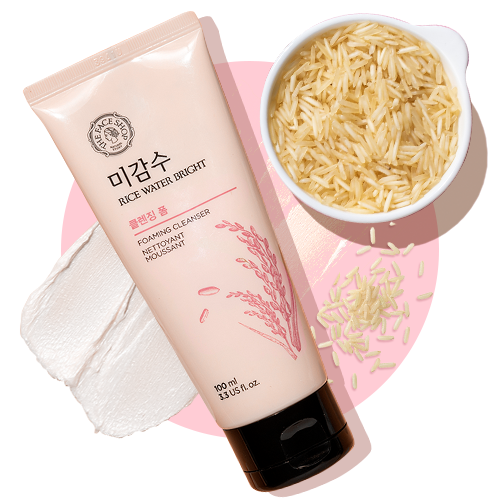
Rice water, a staple in Korean beauty routines, is now trending in India thanks to its reputation for soothing, brightening, and being gentle on the skin. The appeal is clear: it's affordable, easy to DIY, and features in products from trusted brands like The Face Shop. According to a 2023 Nykaa survey, searches for 'rice water skincare' in India rose by 70% year-on-year, reflecting growing curiosity and demand.
- Local context: Indian skin is often exposed to pollution, sun, and humidity, making gentle, barrier-supporting ingredients like rice water especially attractive.
- INR value: DIY rice water costs under ₹20 per use, while premium cleansers like The Face Shop Rice Water Bright Light Cleansing Oil offer a luxury experience for under ₹1,500.
2. What Exactly Is Rice Water and How Does It Work?
Rice water is the starchy liquid left after soaking or boiling rice. It contains vitamins (like B and E), minerals, amino acids, and antioxidants. Dermatologists note that these nutrients can help soothe irritation, support the skin barrier, and provide mild brightening effects. However, the concentration and efficacy depend on how it's prepared and used.
- Evidence: A 2018 study in the Journal of Cosmetic Chemists found rice water extracts can improve skin barrier function and reduce inflammation, which is especially relevant for sensitive Indian skin.
- Limitation: DIY rice water may vary in potency and shelf life, so results can differ from person to person.
3. Is Rice Water Safe for Sensitive Indian Skin Types?
Most dermatologists agree rice water is generally safe for sensitive skin, especially when used as a rinse or in gentle cleansers. Its low allergenic potential makes it suitable for Indian skin, which often reacts to harsh actives or fragrances. However, patch testing is crucial, as even natural ingredients can cause irritation in rare cases.
-
Mini-checklist for sensitive skin:
- Always patch test behind the ear or on the inner arm for 24 hours.
- Avoid fermented rice water if you have eczema or a history of fungal infections.
- Opt for fragrance-free, dermatologist-tested formulas like The Face Shop Rice Water Bright Vegan Cream.
- Counterintuitive fact: Some Indian users experience breakouts from over-fermented rice water due to yeast growth - so fresh is best for sensitive skin.
4. Does Rice Water Actually Brighten Skin? What Results Can Indians Expect?
Rice water is rich in niacinamide (vitamin B3), which is clinically proven to reduce hyperpigmentation and even out skin tone. However, the concentration in DIY rice water is much lower than in targeted serums. Dermatologists say you can expect mild brightening and improved radiance with consistent use, but it won't replace prescription treatments for stubborn pigmentation.
- India-specific insight: Many Indian users report a visible glow and smoother texture after 2-4 weeks of regular use, especially when combined with sunscreen.
- Trade-off: For deeper pigmentation (like melasma), consider layering with actives from the Vitamin C Serum collection for enhanced results.
5. How Should You Use Rice Water in a Routine for Sensitive Indian Skin?
Dermatologists recommend starting slow and choosing the right format for your skin type and climate:
- Cleansing: Use a gentle rice water-based cleanser like The Face Shop Rice Water Bright Light Cleansing Oil to remove makeup and pollution without stripping natural oils.
- Toning: Dab fresh rice water onto cleansed skin with a cotton pad, leave for 10 minutes, then rinse.
- Moisturizing: Lock in hydration with a lightweight cream such as The Face Shop Rice Water Bright Vegan Cream, especially in humid Indian summers.
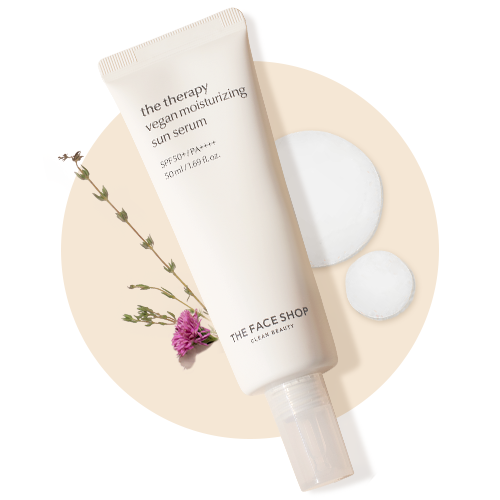
Pro tip: Always follow with broad-spectrum sunscreen during the day to protect your brighter skin from UV damage.
6. DIY Rice Water vs. Ready-Made Products: Which Is Better for Indian Consumers?
DIY rice water is cost-effective and easy to make, but it can be inconsistent in potency and hygiene. Ready-made products from reputable brands like The Face Shop offer stable formulations, added skin-soothing ingredients, and are tested for safety on sensitive skin.
- INR value comparison: DIY: ₹20 per batch; Ready-made: ₹1,000–₹1,500 per bottle, but with longer shelf life and consistent results.
- Indian climate tip: Ready-made creams and cleansers are less likely to spoil in hot, humid weather.
7. Are There Any Risks or Side Effects for Sensitive Indian Skin?
While rice water is gentle, some users may experience:
- Breakouts if rice water is left on too long or not rinsed off in humid conditions.
- Allergic reactions if contaminated or fermented improperly.
- Minimal results if used alone for severe pigmentation.
Checklist: Always use fresh rice water, store in the fridge, and discard after 2 days. If irritation occurs, discontinue use and consult a dermatologist.
8. How Does Rice Water Compare to Other Brightening Ingredients for Indian Skin?
Rice water offers mild, gradual brightening and is ideal for beginners or those with sensitive skin. For more visible results, dermatologists often recommend combining rice water with proven actives:
- Vitamin C: Potent antioxidant for stubborn pigmentation. See options in our Vitamin C Serum collection.
- Peptides: Support skin repair and barrier function - explore our Peptide Serum collection.
- Niacinamide: Also present in rice water, but higher concentrations in serums deliver faster results.
Trade-off: Rice water is gentler and less likely to irritate, but may take longer to show visible changes compared to actives like Vitamin C or retinoids.
9. What Do Dermatologists Recommend for Sensitive Indian Skin Seeking 'Glass Skin'?
For a safe, effective routine tailored to Indian skin and climate, dermatologists suggest:
- Gentle cleansing with a rice water-based cleanser.
- Hydrating toner or essence (rice water or peptide-based).
- Lightweight moisturizer suitable for humid weather.
- Daily sunscreen with SPF 30+.
- Optional: Layer with Vitamin C or peptide serums for enhanced brightening and repair.
Consistency is key - expect to see a healthy glow and smoother texture within 4–6 weeks. Remember, 'glass skin' is about healthy, hydrated skin, not just fairness or brightness.
10. Final Thoughts: Should You Try Rice Water for Sensitive Indian Skin?
Rice water is a gentle, affordable option for Indian consumers with sensitive skin looking for mild brightening and barrier support. While it won't deliver dramatic results overnight, it can be a valuable addition to your routine - especially when paired with sunscreen and targeted actives. Choose fresh DIY preparations for cost savings, or opt for dermatologist-tested products like those from The Face Shop for convenience and safety.
FAQ
Is rice water safe for daily use on sensitive Indian skin?
Yes, if patch tested and used fresh. Start with 2–3 times a week, then increase as tolerated.
Can rice water remove dark spots or pigmentation?
It can mildly brighten and even out skin tone, but for stubborn spots, combine with Vitamin C or consult a dermatologist.
Should I use DIY rice water or buy a ready-made product?
DIY is cost-effective but less stable. Ready-made products offer consistency, safety, and added benefits for sensitive skin.
How long does it take to see results with rice water?
Most users notice a glow and smoother texture in 2–4 weeks with regular use and sun protection.
Are there any ingredients I should avoid mixing with rice water?
Avoid harsh exfoliants or strong acids in the same routine to prevent irritation, especially on sensitive skin.