
Quick Summary
Curious if rice water or fermented rice water is better for achieving 'Glass Skin' on Indian skin? Discover the science, benefits, and practical tips for choosing the right formula for your complexion.
Rice water has long been a beauty staple in Asian skincare, but its popularity in India has soared with the rise of K-beauty and the pursuit of 'Glass Skin' - that coveted, luminous, poreless look. But with so much buzz, a key question remains: Is regular rice water or fermented rice water better for Indian skin? This guide unpacks the science, benefits, and practical considerations so you can make the best choice for your unique complexion.
Understanding Rice Water: The Basics and Its Traditional Roots in India
Rice water is the starchy liquid left after soaking or boiling rice. In India, it’s been used for generations as a gentle cleanser and hair rinse. Its popularity is resurging, thanks to its affordability (homemade versions can cost less than ₹20 per use) and gentle nature for sensitive Indian skin types. But what exactly does it contain?
- Key components: Amino acids, vitamins B and E, minerals, and antioxidants.
- Traditional uses: Cooling face packs in summer, mild cleansers for sensitive skin, and even as a post-sun exposure soother.
While rice water is gentle and accessible, its efficacy depends on how it’s prepared and used. Not all rice water is created equal - let’s see why.
Fermented Rice Water: What Changes and Why It Matters
Fermentation transforms rice water by allowing natural bacteria to break down its starches and proteins. This process increases the concentration of certain nutrients and introduces new compounds, such as organic acids and peptides, which can benefit the skin barrier. In humid Indian climates, these changes can make a real difference:
- Enhanced antioxidant activity: Fermentation boosts the presence of ferulic acid and other antioxidants, which help fight pollution-induced skin stress common in Indian cities.
- Lower pH: Fermented rice water is more acidic, aligning better with the skin’s natural pH and supporting barrier health.
However, fermentation can also introduce mild natural fragrance and a slightly sticky texture, which may not suit everyone - especially those with very oily or acne-prone skin.
Glass Skin Goals: What Indian Skin Needs Most
‘Glass Skin’ is all about hydrated, even-toned, and radiant skin. For Indian complexions, this means tackling:
- Dehydration from air conditioning, sun exposure, and hard water.
- Hyperpigmentation from sun spots, acne scars, and post-inflammatory marks.
- Sensitivity due to pollution, heat, and frequent product changes.
Rice water and fermented rice water both offer hydration and brightening, but their impact varies based on these concerns. For example, fermented rice water’s higher antioxidant content may better address pigmentation from sun exposure, while regular rice water’s simplicity suits sensitive skin.
Comparing the Science: What Studies Say About Rice Extracts
Research published in the Journal of Cosmetic Science and NCBI shows that rice extracts (including both regular and fermented forms) can improve skin hydration, reduce inflammation, and brighten the complexion. Key findings relevant to Indian skin:
- Hydration: Both forms increase skin moisture, but fermented rice water may offer longer-lasting effects due to its smaller molecule size.
- Brightening: Fermented rice water has shown stronger tyrosinase-inhibiting activity, which helps fade pigmentation and even skin tone.
- Sensitivity: Regular rice water is less likely to cause irritation, making it safer for reactive skin types.
However, results depend on concentration, formulation, and how consistently you use the product. DIY versions can be inconsistent, while professionally formulated products offer more reliable results.
DIY vs. Store-Bought: What Works Best in the Indian Context?
Many Indians try homemade rice water, but store-bought options - like those from The Face Shop - offer several advantages:
- Consistency: Professional products use standardized rice extracts, ensuring every bottle delivers the same benefits.
- Safety: Proper preservation prevents bacterial growth, a risk with DIY fermented rice water in hot Indian climates.
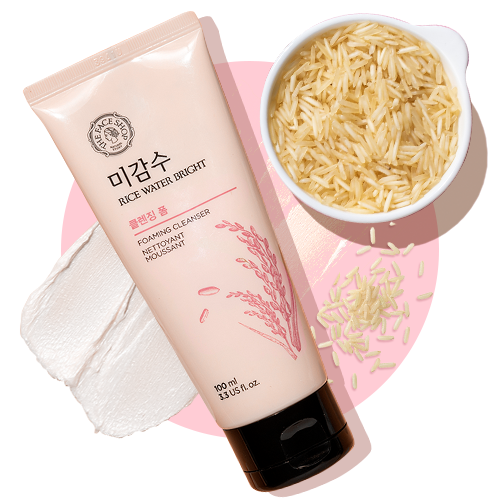
- Value: While DIY is cheaper upfront, a 150ml bottle of Rice Water Bright Cleansing Foam lasts for weeks and costs around ₹650, making it cost-effective for daily use.
For those with sensitive skin or little time for DIY, store-bought is often the safer, more effective choice.
Choosing the Right Formula: Skin Type and Climate Considerations
India’s diverse climate and skin types mean there’s no one-size-fits-all answer. Here’s how to decide:
- Oily/Acne-Prone Skin: Regular rice water or lightweight rice-based cleansers are ideal. Try Rice Water Bright Light Cleansing Oil for gentle cleansing without heaviness.
- Dry/Dehydrated Skin: Fermented rice water or rice ceramide emulsions provide deeper hydration. The Ceramide & Rice Moisturizing Emulsion is formulated for long-lasting moisture, even in humid weather.
- Sensitive Skin: Stick with regular rice water or products with minimal additives to avoid irritation.
Tip: Always patch test, especially with fermented products, as the increased bioactivity can trigger reactions in some users.
Myth-Busting: Is Fermented Rice Water Always Superior?
It’s a common myth that fermented rice water is always better. In reality, the best choice depends on your skin’s needs and tolerance:
- Fermented rice water: More potent, but may cause breakouts or irritation in sensitive or acne-prone skin.
- Regular rice water: Gentler, but may deliver slower results for pigmentation or deep hydration.
For Indian skin, which is often exposed to sun, pollution, and humidity, a balanced approach - alternating or layering both forms - can work best. Listen to your skin and adjust as needed.
Integrating Rice Water Into Your Routine: Practical Tips for Indian Users
To maximize benefits and avoid pitfalls:
- Start with a rice water cleanser, like The Face Shop Rice Water Bright Cleansing Foam, for gentle daily cleansing.
- For extra hydration, layer a rice-based emulsion or toner after cleansing. Explore the Hydrating Toner collection for options suited to Indian humidity.
- Use fermented rice water products 2-3 times a week if you have sensitive skin, increasing frequency as tolerated.
- Always follow with sunscreen during the day to prevent new pigmentation.
Pro tip: In summer, store your rice water products in the fridge for a cooling, de-puffing effect.
What to Expect: Realistic Results and Limitations
While rice water and fermented rice water can visibly improve hydration and radiance, they are not miracle cures. For stubborn pigmentation or severe dehydration, you may need to combine them with actives like niacinamide or hyaluronic acid. Results typically appear after 2-4 weeks of consistent use. If you experience irritation, discontinue and consult a dermatologist.
Summary Table: Rice Water vs. Fermented Rice Water for Indian Skin
| Feature | Rice Water | Fermented Rice Water |
|---|---|---|
| Best For | Sensitive, oily, beginner | Dry, pigmented, experienced |
| Key Benefit | Gentle hydration | Enhanced brightening |
| Texture | Light, watery | Slightly thicker, may be sticky |
| Price (INR) | ₹20 (DIY) to ₹650 (store) | ₹30 (DIY) to ₹900 (store) |
| Risks | Minimal | Possible irritation |
Conclusion: Making the Right Choice for Your Glass Skin Journey
Both rice water and fermented rice water offer real benefits for Indian skin, but the best results come from matching the formula to your skin type and climate. For gentle daily care, regular rice water is a safe bet. For deeper brightening and hydration, fermented rice water is worth a try - just patch test first. Explore The Face Shop's rice water range for reliable, effective options tailored to Indian needs.
FAQ
Is fermented rice water safe for all Indian skin types?
Fermented rice water is generally safe, but its higher bioactivity can cause irritation in sensitive or acne-prone skin. Always patch test before full use.
How often should I use rice water or fermented rice water for best results?
Start with 2-3 times a week, especially for fermented rice water. Gradually increase frequency as your skin adapts, but monitor for any irritation.
Can I make rice water at home, or should I buy ready-made products?
DIY rice water is affordable, but store-bought products offer better consistency, safety, and efficacy—especially important in India’s hot climate.
Which is better for pigmentation: rice water or fermented rice water?
Fermented rice water has stronger brightening effects due to higher antioxidant content, making it more effective for fading pigmentation.
Are there any side effects of using rice water on Indian skin?
Side effects are rare with regular rice water. Fermented rice water may cause mild irritation or breakouts in sensitive skin. Discontinue if irritation occurs.