
Quick Summary
Discover how to choose the best exfoliating actives (AHAs, BHAs, PHAs) for sensitive or oily Indian skin. Achieve glass skin without redness or irritation, even in India's climate.
Dreaming of that luminous, poreless 'glass skin' look? For many Indian consumers, the journey is complicated by sensitive or oily skin, frequent blackheads, and the unique demands of India's climate. The secret isn't just exfoliation - it's choosing the right exfoliating actives for your skin type and environment. This guide unpacks how to select and use AHAs, BHAs, and PHAs for Indian skin, so you can glow without redness or irritation.
1. Why Exfoliation Matters for Indian Skin: Beyond the Basics
Exfoliation removes dead skin cells, unclogs pores, and reveals a brighter complexion. But Indian skin, often exposed to heat, humidity, and pollution, faces unique challenges:
- Increased oiliness and sweat can trap dirt and dead cells, leading to dullness and blackheads.
- Deeper skin tones are more prone to post-inflammatory hyperpigmentation if exfoliated too harshly.
- Environmental aggressors like dust and UV rays can weaken the skin barrier, making gentle exfoliation crucial.
According to dermatologists, over-exfoliation is a top cause of irritation and uneven tone in Indian skin. The right actives, used correctly, can help you achieve glass skin safely.
2. Meet the Main Players: AHAs, BHAs, and PHAs Explained
Not all exfoliating acids are created equal. Here’s what you need to know:
- AHAs (Alpha Hydroxy Acids): Glycolic and lactic acids dissolve dead skin on the surface. Best for dry or normal skin, but can cause sensitivity if overused.
- BHAs (Beta Hydroxy Acids): Salicylic acid penetrates oily pores, making it ideal for blackheads and acne-prone skin. It’s oil-soluble and less likely to irritate deeper skin tones.
- PHAs (Polyhydroxy Acids): Gluconolactone and lactobionic acid offer gentle exfoliation with added hydration, perfect for sensitive or barrier-compromised skin.
For Indian skin, especially in humid climates, BHAs and PHAs often strike the best balance between results and comfort.
3. Sensitive or Oily? How to Choose the Right Exfoliant for Your Skin Type
Indian skin can be both oily and sensitive - a tricky combination. Here’s how to match actives to your needs:
- Oily, acne-prone skin: Start with a low-concentration BHA (0.5% to 2% salicylic acid). This targets blackheads without stripping natural oils.
- Sensitive or redness-prone skin: Opt for PHAs or lactic acid. These are less likely to cause stinging or flaking.
- Combination skin: Alternate between a mild AHA and BHA, or choose a product that blends both in gentle concentrations.
Always patch-test new actives, especially if you have a history of irritation or pigmentation.
4. The Indian Climate Factor: Why Humidity and Pollution Change the Rules
India’s hot, humid weather and high pollution levels mean your skin is more prone to congestion and sensitivity. Here’s what this means for exfoliation:
- Humid conditions can make skin oilier, increasing the risk of clogged pores. BHAs excel here.
- Pollution can weaken the skin barrier, so over-exfoliation can lead to redness or dark spots.
- Seasonal shifts matter: In winter, switch to PHAs or lower-strength AHAs to avoid dryness.
Tip: Use exfoliating actives only 1-3 times per week, and always follow with sunscreen during the day.
5. Gentle Exfoliation: How to Avoid Redness, Flaking, and Dark Spots
Many Indian consumers over-exfoliate, hoping for faster results. In reality, less is more. Here’s how to keep your skin barrier healthy:
- Start slow: Introduce one exfoliant at a time, using it once a week and increasing frequency as tolerated.
- Hydrate and repair: Pair exfoliants with barrier-strengthening ingredients like ceramides, panthenol, and hyaluronic acid.
- Listen to your skin: If you notice stinging, redness, or increased pigmentation, pause and focus on soothing products.
Evidence shows that consistent, gentle exfoliation delivers better long-term results than aggressive routines.
6. Product Picks: Gentle Exfoliants for Indian Skin (INR-Friendly)
Looking for effective, gentle exfoliants available in India? Here are top picks that balance performance and value:
- Alltimate Panthenol 2% Exfoliating Gel: Combines PHAs and panthenol for mild exfoliation and barrier repair. Suitable for sensitive and oily skin. Priced around INR 1,200 for 150ml, making it a cost-effective choice for regular use.
- Shop All for a curated selection of gentle exfoliants tailored for Indian skin types and climates.
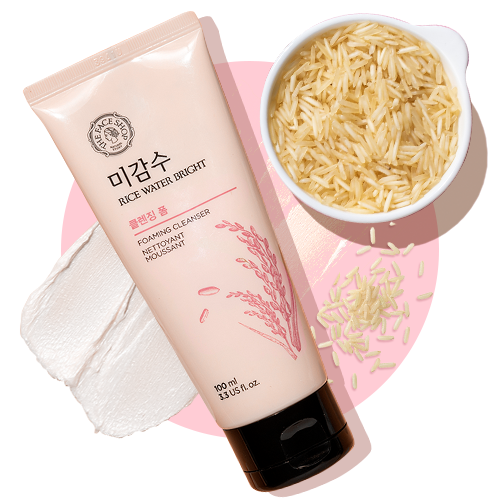
- Look for products with rice extract, ceramides, or yam root extract to further soothe and hydrate post-exfoliation.
Always check ingredient lists and avoid products with high alcohol content or added fragrance if your skin is sensitive.
7. The K-Beauty Approach: Layering for Glass Skin Without Irritation
Korean skincare routines emphasize gentle, consistent exfoliation and layering hydrating products. For Indian skin:
- After exfoliating, apply a lightweight hydrating toner and a ceramide-rich moisturizer.
- Try the Best Korean Cleansers to prep your skin without stripping natural oils.
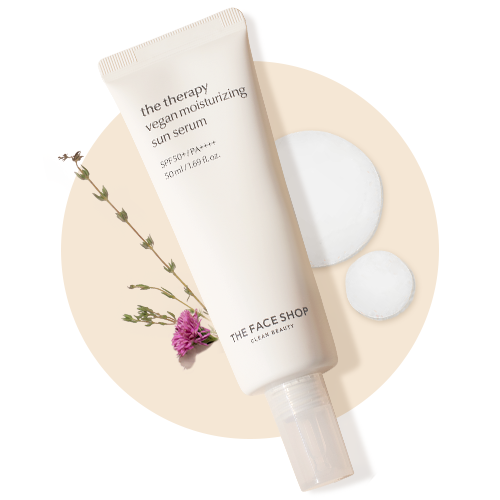
- Finish with sunscreen every morning to prevent pigmentation and maintain results.
This approach helps you achieve glass skin - smooth, luminous, and even-toned - without risking irritation.
8. Common Mistakes to Avoid: What Not to Do When Exfoliating
Even the best actives can backfire if misused. Avoid these pitfalls:
- Mixing multiple strong acids in one routine, which can overwhelm your skin barrier.
- Skipping sunscreen after exfoliation, increasing your risk of dark spots.
- Using physical scrubs with sharp particles, which can cause microtears and worsen sensitivity.
- Ignoring your skin’s signals - if you see redness or peeling, scale back immediately.
Remember, achieving glass skin is a marathon, not a sprint. Patience and consistency are key.
9. Realistic Results: How Long Does It Take to See 'Glass Skin'?
Most Indian consumers notice smoother, brighter skin within 2-4 weeks of starting a gentle exfoliation routine. However, deeper concerns like pigmentation or persistent blackheads may take 8-12 weeks to improve. Factors that influence your results:
- Consistency of use (without overdoing it)
- Supporting your routine with hydration and sun protection
- Choosing actives suited to your skin type and climate
Set realistic expectations and celebrate small improvements along the way.
FAQ
How often should I exfoliate if I have sensitive Indian skin?
Start with once a week and gradually increase to 2-3 times per week if your skin tolerates it. Always monitor for redness or irritation and adjust frequency as needed.
Which is better for oily, acne-prone Indian skin: AHA or BHA?
BHA (salicylic acid) is generally better for oily, acne-prone skin as it penetrates pores and helps control blackheads without excessive irritation.
Can I use exfoliating acids during the summer in India?
Yes, but opt for gentle BHAs or PHAs, limit use to nighttime, and always apply sunscreen during the day to prevent pigmentation.
What ingredients should I pair with exfoliants to avoid irritation?
Look for hydrating and barrier-repairing ingredients like ceramides, panthenol, hyaluronic acid, and rice extract to soothe and protect your skin.
How long does it take to see results from gentle exfoliation?
Most people notice brighter, smoother skin in 2-4 weeks, but deeper concerns like pigmentation may take 8-12 weeks of consistent use.