
Quick Summary
Are sheet masks or sleeping masks better for achieving 'Glass Skin' in India’s humid climate? Discover the science, myths, and practical tips for glowing, hydrated skin tailored to Indian needs.
In the world of K-Beauty, 'Glass Skin' - that coveted, poreless, dewy glow - has become a viral skincare goal. But in India's humid climate, does a sheet mask really deliver instant radiance, or is a sleeping mask the secret to lasting luminosity? Let's break down the myths, compare the science, and help you choose the best mask for your Indian skincare routine.
Myth or Miracle? The 'Glass Skin' Promise in Indian Weather
Many believe that a single sheet mask can transform dull skin into a glassy, radiant canvas overnight. While sheet masks do deliver a quick moisture boost, Indian humidity and pollution present unique challenges. Studies show that high humidity can both help and hinder hydration - making it crucial to understand how each mask type interacts with our climate.
- Fact: Sheet masks provide instant hydration, but the effect may be short-lived in sticky weather.
- Myth: One mask session guarantees long-term 'Glass Skin' - consistent care matters more.
For Indian skin, the real question is: which mask offers results that last beyond the selfie?
Sheet Masks: Instant Glow or Temporary Fix?
Sheet masks are soaked in concentrated serums, promising quick results. In India, they’re popular for pre-event prep or a mid-week pick-me-up. But how do they really perform?
- Pros: Immediate plumping and brightening, easy to use, travel-friendly.
- Cons: Effects often fade within hours, especially in humid cities like Mumbai or Chennai.
Research from clinical studies suggests that while sheet masks can increase skin hydration by up to 30% within 20 minutes, the barrier effect is temporary. In Indian humidity, sweat and pollution can dilute these benefits quickly.
Sleeping Masks: Overnight Repair for Lasting Glow
Sleeping masks, also known as overnight masks, are designed for deep hydration and barrier repair while you sleep. Unlike sheet masks, they form a breathable layer that locks in moisture for hours.
- Pros: Gradual, sustained hydration; supports skin’s natural repair cycle; visible results by morning.
- Cons: Not as instantly dramatic; requires regular use for best results.
In India’s climate, sleeping masks with lightweight, non-comedogenic formulas (like rice extract or ceramides) are ideal. They help counteract overnight water loss from air conditioning and pollution exposure.
Ingredient Deep Dive: What Works Best for Indian Skin?
Not all masks are created equal. For Indian skin, look for ingredients that hydrate without clogging pores or causing stickiness:
- Rice Extract: Brightens and soothes, suitable for all skin tones.
- Niacinamide: Controls oil and reduces pigmentation - key for Indian complexions.
- Hyaluronic Acid: Attracts moisture, but works best when sealed in (as with sleeping masks).
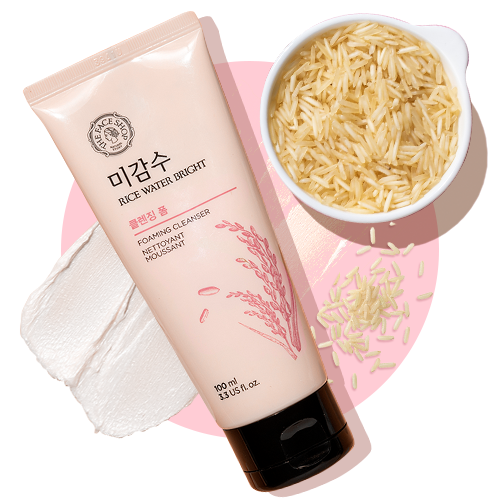
For example, The Face Shop Rice Water Bright Cleansing Foam is a gentle way to prep your skin before masking, ensuring better absorption of active ingredients.
Humidity Hacks: How to Maximize Mask Benefits in India
Indian summers and monsoons can make skin care tricky. Here’s how to get the most from your masks:
- Apply sheet masks in a cool, air-conditioned room to reduce sweat interference.
- Use sleeping masks as the last step in your nighttime routine to lock in hydration.
- Pair with a hydrating toner for extra moisture without heaviness.
Pro tip: If you have oily or combination skin, opt for gel-based sleeping masks to avoid feeling greasy by morning.
Cost Comparison: Value for Money in INR
Sheet masks typically cost INR 100–250 per use, while a sleeping mask jar (lasting 20–30 uses) ranges from INR 800–1500. Over a month, sleeping masks often deliver better value and sustained results for your investment.
- Sheet Mask: Great for occasional glow, but adds up in cost for daily use.
- Sleeping Mask: More economical for regular care, especially in humid climates where daily hydration is needed.
Consider your routine and budget - sometimes, a combination of both works best!
Routine Guide: Building a Masking Ritual for Indian Skin
For best results, integrate masks into a holistic routine:
- Cleanse with a gentle foam like The Face Shop Rice Water Bright Cleansing Foam.
- Apply a hydrating toner to prep skin.
- Use a sheet mask 1–2 times a week for instant radiance.
- Apply a sleeping mask 2–3 times a week for overnight repair.
This balanced approach helps maintain a glassy glow without overwhelming your skin.
Counterintuitive Facts: What Most Indians Get Wrong About 'Glass Skin'
- More is not always better - over-masking can irritate sensitive Indian skin.
- Humidity can actually help seal in moisture, but only if you use the right occlusive layer (like a sleeping mask).
- Sheet masks are not a substitute for a consistent skincare routine - they’re a supplement, not a solution.
Remember: achieving 'Glass Skin' is about routine, not just one-off treatments.
Choosing Your Mask: Trade-Offs and Personalization
Ultimately, the best mask depends on your skin type, lifestyle, and climate. Here’s a quick decision guide:
- For instant glow before an event: Use a sheet mask.
- For lasting hydration and repair: Opt for a sleeping mask.
- For combination skin in humid cities: Alternate both, focusing on lightweight, non-greasy formulas.
Always patch test new products and adjust based on how your skin responds to the Indian environment.
FAQ
Can sheet masks alone give me 'Glass Skin' in India?
Sheet masks provide an instant glow but their effects are temporary, especially in humid Indian climates. Consistent use and a complete skincare routine are needed for lasting 'Glass Skin'.
How often should I use a sleeping mask in Indian weather?
For most Indian skin types, 2–3 times a week is ideal. Adjust frequency based on your skin’s needs and avoid overuse to prevent congestion.
Are sleeping masks suitable for oily or acne-prone skin?
Yes, but choose lightweight, non-comedogenic formulas. Gel-based sleeping masks with ingredients like rice extract or niacinamide work well in humid climates.
Is it safe to use both sheet masks and sleeping masks in my routine?
Absolutely. Use sheet masks for instant radiance and sleeping masks for overnight repair. Just avoid using both on the same night to prevent overloading your skin.
Which mask type is more cost-effective for Indian consumers?
Sleeping masks generally offer better value over time, as a single jar can last a month or more, while sheet masks are better for occasional use due to their per-use cost.