
Quick Summary
Struggling with stubborn skin bumps and rough texture after breakouts? Discover the science-backed K-Beauty routine tailored for Indian skin to achieve smooth, glass skin clarity.
Have you ever cleared up a breakout, only to find your skin still feels rough, bumpy, or uneven? For many in India, persistent skin texture issues linger long after pimples fade. If you’re dreaming of that coveted 'glass skin' look - smooth, luminous, and poreless - this guide unpacks why bumps stick around and how a K-Beauty-inspired routine can help you finally achieve a flawless finish.
1. Understanding Post-Breakout Texture: Why Do Bumps Linger?
Even after active acne heals, small bumps and uneven texture can remain. These are often due to:
- Clogged pores: Dead skin and oil can stay trapped, especially in humid Indian climates.
- Post-inflammatory changes: Skin can develop rough patches or tiny bumps (like closed comedones) after inflammation.
- Barrier damage: Over-cleansing or harsh products can weaken your skin’s protective layer, making texture worse.
According to dermatologists, Indian skin is more prone to post-inflammatory hyperpigmentation and textural changes due to higher melanin content and environmental stressors like pollution (NCBI).
2. The Science Behind 'Glass Skin' - Is It Possible for Indian Skin?
'Glass skin' isn’t about fairness - it’s about a healthy, hydrated, and even surface. K-Beauty routines focus on:
- Deep hydration (not oiliness)
- Gentle exfoliation
- Barrier repair
- Consistent sun protection
Indian skin, with its unique needs, can absolutely achieve glass skin. The key is adapting routines for our climate and skin tones. For example, lightweight, water-based products are ideal for humid cities like Mumbai or Chennai, while richer textures suit drier regions.
3. Common Mistakes That Worsen Texture (And How to Avoid Them)
- Over-exfoliating: Using scrubs or acids too often can cause micro-tears and worsen bumps.
- Skipping moisturizer: Even oily skin needs hydration to prevent compensatory oil production.
- Ignoring sunscreen: UV damage slows healing and deepens texture issues.
- Using harsh cleansers: Stripping cleansers can disrupt the skin barrier, common with some Indian face washes.
Mini-checklist: Use a gentle cleanser, hydrate daily, exfoliate 1-2 times a week, and never skip SPF.
4. The K-Beauty Routine for Smoother Skin: Step-by-Step for Indian Skin
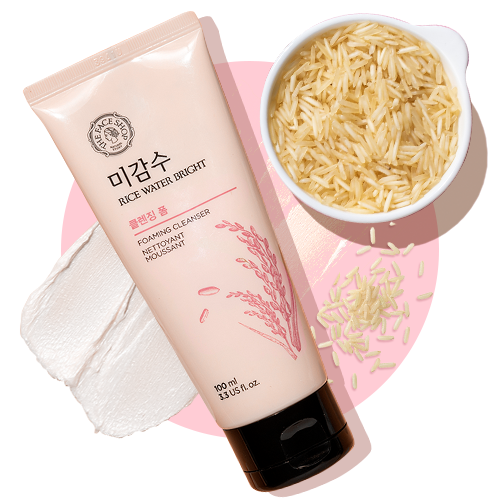
- Double cleanse: Start with a gentle oil-based cleanser, followed by a water-based one like Rice Water Bright Cleansing Foam for deep but non-stripping cleansing.
- Hydrating toner: Apply a lightweight toner from the Hydrating Toner collection to prep skin for better absorption.
- Essence or serum: Look for formulas with niacinamide or centella to target bumps and redness.
- Moisturizer: Choose a non-comedogenic, barrier-repairing option like the Ceramide & Rice Moisturizing Emulsion for lasting hydration without heaviness.
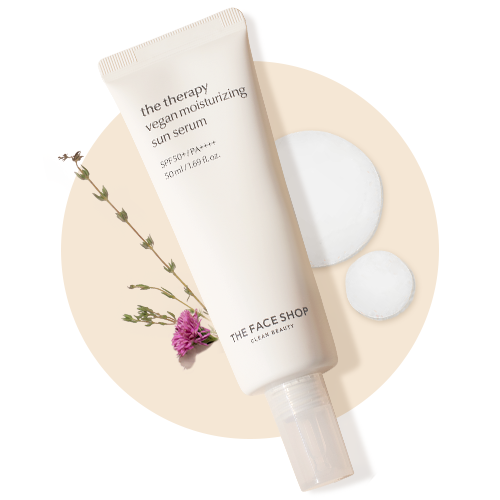
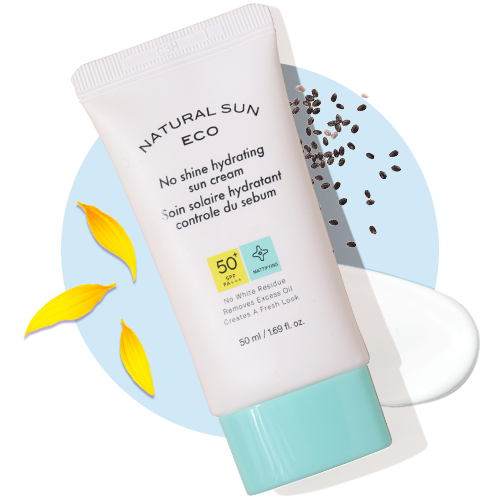
- SPF: Finish with a broad-spectrum sunscreen, especially vital in India’s strong sun.
Consistency is key - results typically appear in 4-8 weeks.
5. Ingredient Spotlight: What Really Works for Texture and Bumps?
- Niacinamide: Reduces pore size, regulates oil, and fades post-acne marks. Studies show visible improvement in texture within 8 weeks (NCBI).
- Centella Asiatica (Cica): Calms inflammation and supports barrier repair - ideal for sensitive Indian skin.
- Rice extract: Brightens and smooths, a traditional Asian ingredient now proven effective for dull, uneven skin.
- Beta-glucan & Panthenol: Soothe and hydrate, reducing roughness.
Look for these ingredients in serums, essences, and moisturizers. Avoid heavy oils or comedogenic butters in humid Indian weather.
6. Exfoliation - How Much Is Too Much for Indian Skin?
Physical scrubs can be too harsh, especially for melanin-rich Indian skin prone to PIH (post-inflammatory hyperpigmentation). Instead, opt for:
- Chemical exfoliants: AHAs (like lactic acid) and BHAs (like salicylic acid) gently dissolve dead skin without abrasion.
- Frequency: 1-2 times per week is enough for most Indian skin types.
Always follow with hydration and SPF. Over-exfoliation can worsen texture and cause sensitivity.
7. Masking and Targeted Treatments: Fast-Track Your Results
Sheet masks are a K-Beauty staple for instant hydration and glow. For Indian skin, try:
- Hydrating masks from the Masksheets collection - look for ingredients like rice, cica, or hyaluronic acid.
- Spot treatments with niacinamide or centella for stubborn bumps.
Pro tip: Use a mask before a big event for a visible smoothness boost. At INR 100–300 per mask, it’s a budget-friendly treat.
8. Realistic Expectations: How Long Until You See 'Glass Skin'?
Indian skin may take longer to show results due to higher melanin and environmental factors. Most users report:
- Noticeable smoothness in 4 weeks with consistent routine
- Significant reduction in bumps and texture in 8–12 weeks
- Ongoing maintenance is essential - falling off the routine can bring texture back
Glass skin is a journey, not a one-time fix. Set realistic goals and celebrate small wins along the way.
9. Budgeting for K-Beauty in India: Is It Worth the Investment?
K-Beauty products are now widely available in India, with options for every budget. For example:
- Rice Water Bright Cleansing Foam: Around INR 650 for 150ml (lasts 2–3 months)
- Ceramide & Rice Moisturizing Emulsion: Around INR 900 for 150ml
- Sheet masks: INR 100–300 each
Compare this to frequent salon facials or dermatologist visits, and a home K-Beauty routine can be more cost-effective over time. Always buy from trusted sources to avoid counterfeits.
10. When to See a Dermatologist: Knowing Your Limits
If bumps persist despite a diligent routine, or if you notice scarring, severe pigmentation, or sudden changes, consult a dermatologist. Some texture issues (like deep acne scars or medical conditions) require professional treatments. K-Beauty is effective for mild to moderate texture, but not a replacement for medical care when needed.
Key Takeaways
- Persistent bumps after breakouts are common in Indian skin due to clogged pores, inflammation, and barrier damage.
- K-Beauty routines, when adapted for Indian climate and skin tones, can help achieve smooth, glass skin.
- Focus on gentle cleansing, hydration, targeted actives, and consistent SPF.
- Results take time - expect visible improvement in 4–8 weeks.
- Choose products wisely and consult a dermatologist for stubborn or severe cases.
FAQ
Can Indian skin really achieve the 'glass skin' look with K-Beauty?
Yes, glass skin is about smoothness and luminosity, not fairness. With the right hydration, gentle exfoliation, and barrier repair, Indian skin can achieve a healthy, glowing finish.
How long does it take to see results from a K-Beauty routine for texture?
Most users notice smoother skin in 4 weeks, with significant improvement in 8–12 weeks. Consistency is crucial for lasting results.
Are K-Beauty products safe for sensitive Indian skin?
Many K-Beauty products are formulated for sensitive skin, but always patch test new products. Look for calming ingredients like centella and avoid harsh scrubs.
Is it necessary to use all 10 steps of the K-Beauty routine?
No, you can customize your routine. Focus on gentle cleansing, hydration, targeted treatment, and SPF for best results on Indian skin.
What should I do if my bumps don't improve with home care?
If texture persists after 2–3 months, or if you notice scarring or severe pigmentation, consult a dermatologist for professional advice.