
Quick Summary
Curious if snail mucin is the real secret to glass skin for Indian skin types? Dermatologists weigh in, debunking myths and offering evidence-based advice for every skin type in India.
Snail mucin has become a buzzword in the K-Beauty world, especially among Indian skincare enthusiasts chasing the elusive 'glass skin' look. But is it truly the miracle ingredient for every Indian skin type? We asked dermatologists and analyzed the science, so you can make an informed choice for your unique skin needs.
What Exactly Is Snail Mucin - and Why Is It Trending in India?
Snail mucin, also called snail secretion filtrate, is a naturally derived ingredient packed with glycoproteins, hyaluronic acid, zinc, and antioxidants. It’s known for its hydrating, repairing, and soothing properties. In India, the rise of K-Beauty and the promise of 'glass skin' - luminous, poreless, healthy-looking skin - has made snail mucin a hot topic. According to Nykaa sales data, snail mucin products have seen a 40% year-on-year growth in metro cities like Mumbai and Bengaluru.
- Key nutrients: Glycoproteins, hyaluronic acid, zinc, peptides
- Popular in: Serums, essences, creams
- Price range in India: INR 800–2,500 for authentic K-Beauty brands
But does snail mucin deliver on its promises for Indian skin? Let’s break down the evidence.
Glass Skin: Myth vs. Reality for Indian Skin Tones
‘Glass skin’ is often portrayed as a single, poreless look. However, Indian skin comes in a spectrum of tones and textures, with unique challenges like humidity, pollution, and higher melanin content. Dermatologists clarify:
- Myth: Glass skin means fair or pale skin.
- Reality: Glass skin is about a healthy, hydrated, and even-toned complexion - regardless of shade.
- Fact: Indian skin is more prone to pigmentation and sensitivity, so routines must be adapted.
Snail mucin can support hydration and barrier repair, but it’s not a one-step solution. Consistent routines and sun protection remain essential.
How Snail Mucin Works: Science-Backed Benefits for Indian Skin
Clinical studies and dermatologist reviews highlight several benefits of snail mucin, especially for Indian skin exposed to harsh sun and pollution:
- Hydration: Hyaluronic acid in snail mucin attracts moisture, ideal for dry and combination skin in India’s varied climates.
- Barrier Repair: Glycoproteins and peptides help repair skin damaged by UV rays and urban pollution.
- Soothing: Anti-inflammatory properties calm redness and irritation, common in sensitive Indian skin.
- Fading Spots: Some evidence suggests snail mucin can help fade post-inflammatory hyperpigmentation (PIH), a frequent concern for Indian skin tones.
However, results depend on product formulation, concentration, and how it’s used in your routine.
Is Snail Mucin Safe for Oily and Acne-Prone Indian Skin?
Many Indian consumers worry that snail mucin might clog pores or worsen acne. Dermatologists clarify:
- Snail mucin is generally non-comedogenic and lightweight.
- It can help calm inflammation and support healing of acne scars.
- For oily skin, choose gel-based or essence formats over heavy creams.
Pro tip: Always patch-test new products, especially if you have active breakouts or use actives like AHAs/BHAs.
Snail Mucin for Sensitive Indian Skin: What the Experts Say
Indian skin is often reactive due to environmental stressors. Snail mucin’s soothing and barrier-repairing properties make it suitable for sensitive skin, but:
- Check for added fragrances or alcohol, which can trigger irritation.
- Start with a low concentration and gradually increase usage.
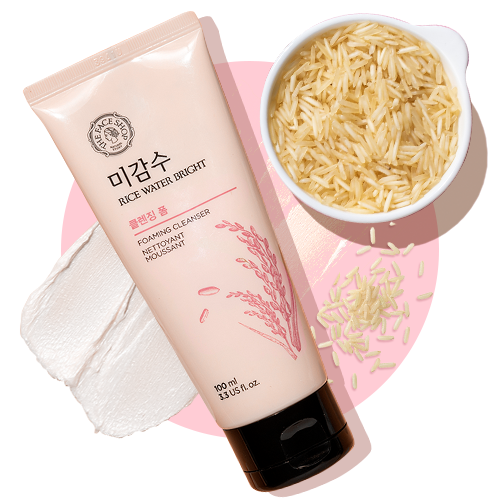
- Pair with gentle cleansers, such as the Rice Water Bright Cleansing Foam from The Face Shop, to avoid over-stripping the skin.
Dermatologists recommend using snail mucin 2–3 times a week initially, especially if your skin is prone to redness or eczema.
Comparing Snail Mucin with Other K-Beauty Ingredients for Glass Skin
Is snail mucin the only route to glass skin? Not quite. Dermatologists suggest a multi-ingredient approach:
- Rice Extract: Brightens and evens skin tone, ideal for pigmentation-prone Indian skin.
- Ceramides: Strengthen the skin barrier, crucial in India’s humid and polluted cities. Try the Ceramide & Rice Moisturizing Cream for added nourishment.
- Niacinamide & Vitamin C: Target dark spots and enhance glow.
Snail mucin works best when layered with these ingredients, not as a stand-alone miracle.
Routine Guide: How to Use Snail Mucin for Indian Skin Types
Here’s a dermatologist-approved routine for integrating snail mucin into your Indian skincare regimen:
- Cleanse: Use a gentle cleanser like Rice Water Bright Cleansing Foam to remove dirt and pollution.
- Tone: Apply a hydrating toner suited for your skin type.
- Treat: Layer snail mucin essence or serum. For oily skin, use a thin layer. For dry skin, follow with a moisturizer.
- Moisturize: Lock in hydration with a ceramide-rich cream, such as Ceramide & Rice Moisturizing Cream.
- Protect: Always finish with sunscreen during the day.
Mini-Checklist:
- Patch test before full application
- Start 2–3 times per week, increase as tolerated
- Monitor for irritation, especially if using actives
Snail Mucin Products in India: What to Look For (and What to Avoid)
With the surge in popularity, not all snail mucin products are created equal. Here’s how to choose wisely in the Indian market:
- Check concentration: Look for products listing snail secretion filtrate among the top three ingredients.
- Authenticity: Buy from reputable sources to avoid counterfeits. Genuine products typically range from INR 800–2,500.
- Formulation: Avoid added alcohol, parabens, and strong fragrances, especially for sensitive skin.
- Packaging: Opt for air-tight, opaque packaging to preserve efficacy in India’s hot climate.
Brands like The Face Shop offer well-formulated options tailored for Indian consumers.
Limitations and Trade-Offs: Is Snail Mucin for Everyone?
While snail mucin is generally safe, it’s not a universal solution:
- Results are gradual - don’t expect overnight transformation.
- Some individuals may experience mild purging or irritation, especially when combined with strong actives.
- Vegan consumers may prefer plant-based alternatives.
- Always consult a dermatologist if you have chronic skin conditions or allergies.
For pigmentation or stubborn dark spots, consider combining snail mucin with targeted serums from our Dark Spot Serum collection for best results.
Expert Verdict: Should You Try Snail Mucin for Glass Skin in India?
Dermatologists agree: Snail mucin can be a valuable addition to your glass skin routine, especially for hydration and barrier repair. However, it works best as part of a holistic regimen tailored to your skin type and Indian environmental factors.
- Oily/Acne-Prone: Opt for lightweight essences, patch test, and avoid layering with too many actives.
- Dry/Sensitive: Use richer creams, start slow, and combine with ceramides or rice extracts.
- All Skin Types: Prioritize sunscreen and gentle cleansing for lasting results.
With realistic expectations and the right routine, snail mucin can help Indian skin look its healthiest - radiant, hydrated, and resilient.
FAQ
Is snail mucin suitable for all Indian skin types?
Yes, snail mucin is generally suitable for oily, dry, and sensitive Indian skin types. However, always patch test and choose formulations without harsh additives for best results.
Can snail mucin help with pigmentation and dark spots on Indian skin?
Snail mucin may help fade post-inflammatory hyperpigmentation, but for stubborn pigmentation, combine it with targeted serums and consistent sun protection.
How often should I use snail mucin in my skincare routine?
Start with 2–3 times per week and gradually increase as your skin tolerates. Adjust frequency based on your skin’s response and other actives in your routine.
Are snail mucin products safe to use during Indian summers?
Yes, opt for lightweight essences or gels during hot, humid months. Ensure products are stored in cool, dry places to maintain efficacy.
Where can I buy authentic snail mucin products in India?
Purchase from reputable stores and official brand retailers. The Face Shop offers well-formulated snail mucin products suitable for Indian skin.