
Quick Summary
Discover how to choose the best SPF for a dewy, glass skin finish in India's humidity. Learn what to look for, what to avoid, and how to keep your skin glowing—not greasy.
Dreaming of that luminous, poreless 'glass skin' look but worried sunscreen will leave you greasy in India's humidity? You're not alone. The right SPF can make or break your dewy glow - especially when the weather is hot and sticky. This guide breaks down how to choose the perfect sunscreen for glass skin in India, with practical tips, ingredient insights, and local buying advice.
Why SPF Is Non-Negotiable for Glass Skin in India
Glass skin is all about a healthy, radiant complexion. But without daily sun protection, even the best skincare routine falls short. India's high UV index - often above 10 in cities like Mumbai and Chennai - means sun damage is a real risk year-round. SPF shields your skin from pigmentation, dullness, and premature aging, all of which can sabotage your glass skin goals. According to the Indian Association of Dermatologists, regular sunscreen use reduces hyperpigmentation and uneven tone, common concerns for Indian skin tones.
What Makes a Sunscreen 'Glass Skin' Friendly?
Not all sunscreens are created equal. For a true glass skin effect in humid Indian weather, look for these features:
- Lightweight, gel-based textures that absorb quickly and don't clog pores.
- Hydrating ingredients like hyaluronic acid and glycerin for a dewy - not oily - finish.
- Zero white cast to suit all Indian skin tones.
- Non-comedogenic formulas to prevent breakouts in sticky weather.
For example, many Korean sunscreens popular in India use advanced filters and hydrating bases, making them ideal for a glass skin look. Always check the label for terms like 'non-greasy', 'water-based', or 'dewy finish'.
Key Ingredients to Seek (and Avoid) for Dewy, Non-Greasy Protection
Ingredients matter. Here’s what to look for in your SPF:
- Hyaluronic Acid: Attracts moisture for a plump, luminous finish.
- Niacinamide: Brightens and strengthens the skin barrier, reducing dullness.
- Centella Asiatica: Calms inflammation, ideal for sensitive Indian skin.
- Modern UV filters (like Uvinul A Plus, Tinosorb S): Offer broad-spectrum protection without heaviness.
What to avoid: Heavy oils (like mineral oil), thick creams, and old-generation filters (oxybenzone, PABA) can feel greasy and may irritate Indian skin in humidity.
Texture and Finish: Dewy vs. Greasy - How to Tell the Difference
Many confuse a healthy dewy glow with unwanted shine. Here’s how to spot the difference:
- Dewy: Skin looks plump, light bounces off evenly, no sticky residue.
- Greasy: Skin feels slick, makeup slides off, visible oil pools in T-zone.
Test a small amount on your cheek. If it absorbs within 30 seconds and leaves a soft sheen (not a wet film), you’ve likely found a winner. In India’s humidity, gel-based or water-based SPFs are less likely to turn greasy by midday.
SPF and PA Ratings: What’s Right for Indian Summers?
SPF measures UVB protection, while PA indicates UVA protection. For Indian summers, dermatologists recommend:
- SPF 40–50+: Sufficient for daily exposure, especially if you’re outdoors.
- PA+++ or higher: Ensures strong UVA defense, crucial for preventing pigmentation.
Remember, higher isn’t always better if the formula feels heavy. Balance protection with comfort for daily wear.
Mineral vs. Chemical Sunscreens: Which Is Better for Glass Skin in Humid India?
Both types have pros and cons:
- Mineral (physical) sunscreens use zinc oxide or titanium dioxide. They’re gentle but can leave a white cast, especially on deeper Indian skin tones.
- Chemical sunscreens use filters that absorb UV rays. Modern formulas are lightweight and invisible, making them popular for glass skin routines.
For most Indian consumers seeking a dewy, non-greasy finish, chemical or hybrid sunscreens are often the best bet. Always patch test, as some filters may cause irritation in sensitive skin.
How to Layer Sunscreen in Your K-Beauty Routine for Maximum Glow
Layering is key for glass skin. Here’s a simple morning routine for humid Indian weather:
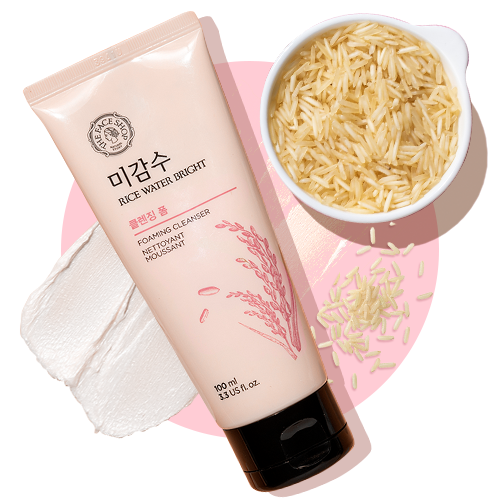
- Cleanse with a gentle foaming cleanser. Try [Rice Water Bright Cleansing Foam](/products/rice-water-bright-cleansing-foam) for a fresh start.
- Apply a hydrating toner, such as [Ceramide & Rice Moisturizing Toner](/products/rice-ceramide-moisturizing-toner-150-ml), to prep your skin.
- Use a lightweight moisturizer if needed.
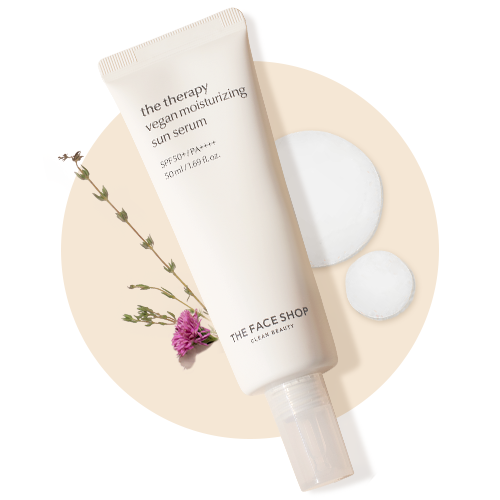
- Finish with your chosen SPF. Apply generously - about two finger lengths for the face and neck.
Let each layer absorb before moving to the next. This prevents pilling and ensures a smooth, glowing finish.
Common Myths About Sunscreen and Glass Skin - Busted!
-
Myth: Sunscreen makes skin oily in humidity.
Fact: The right formula can actually help control excess oil by protecting your barrier. -
Myth: Only fair skin needs SPF.
Fact: All Indian skin tones are prone to sun damage and pigmentation. -
Myth: You don’t need sunscreen indoors.
Fact: UVA rays penetrate windows, so daily use is essential.
Choosing wisely is the real secret - not skipping SPF altogether.
How to Shop Smart: Price, Value, and Where to Buy in India
Quality SPF doesn’t have to break the bank. In India, you’ll find excellent K-beauty and local options between INR 800 and INR 2,500. Look for:
- Transparent ingredient lists
- Dermatologist-tested claims
- Authentic sellers - avoid counterfeit products by shopping from trusted stores like [The Face Shop](/products/rice-water-bright-cleansing-foam)
Check for deals on bundles or combo packs, especially during festive sales. Investing in a good SPF pays off by saving on future treatments for pigmentation or aging.
Mini-Checklist: Your Glass Skin Sunscreen Shopping Guide
- SPF 40+ and PA+++ or higher
- Gel or water-based texture
- Hydrating ingredients (hyaluronic acid, niacinamide)
- No white cast
- Non-comedogenic
- Dermatologist-tested for Indian skin
Tick these boxes and you’re on your way to a luminous, glass skin finish - even in peak monsoon humidity.
FAQ
Can I skip moisturizer if my sunscreen is hydrating?
In humid Indian weather, a hydrating sunscreen may be enough for oily or combination skin. If your skin feels tight or dry, use a lightweight moisturizer underneath.
How often should I reapply sunscreen in India’s humidity?
Reapply every 2–3 hours if you’re outdoors or sweating. Indoors, once in the morning is usually sufficient unless you wash your face.
Will sunscreen clog my pores or cause breakouts?
Choose non-comedogenic, gel-based formulas designed for humid climates. Always patch test if you have sensitive or acne-prone skin.
How much sunscreen should I use for my face and neck?
Use about two finger lengths of product for your face and neck combined. Apply evenly and let it absorb before layering makeup.
Do I need sunscreen on cloudy or rainy days in India?
Yes. UV rays penetrate clouds and can cause skin damage even on overcast days. Daily SPF is a must for glass skin.