
Quick Summary
Discover why stronger exfoliants aren't always better for Indian skin. Learn the K-Beauty approach to gentle, consistent exfoliation for clarity, texture, and pigmentation.
For many Indian skincare enthusiasts, the promise of instant clarity and brightness from high-strength exfoliants is tempting. But does reaching for the strongest acid or scrub always deliver better results? Let’s unpack this common myth and explore why the K-Beauty philosophy of gentle, consistent exfoliation is especially effective for Indian skin types prone to pigmentation and sensitivity.
Why the 'Stronger is Better' Exfoliation Myth Persists in India
In India’s hot, humid climate, oily skin, clogged pores, and pigmentation are everyday concerns. Many believe that using higher concentrations of AHAs or BHAs, or gritty scrubs, will quickly erase dullness and spots. This myth is fueled by:
- Quick-fix culture: Visible peeling or tingling is often mistaken for effectiveness.
- Western product trends: International brands and influencers often showcase high-strength peels, which may not suit Indian skin’s unique melanin response.
- Lack of tailored advice: Most online guides don’t address Indian skin’s tendency for post-inflammatory hyperpigmentation (PIH) after irritation.
But is more always better? Dermatologists in India increasingly warn that aggressive exfoliation can backfire, especially on medium to deep skin tones.
Understanding Indian Skin: More Melanin, More Caution Needed
Indian skin typically contains higher melanin, which protects against UV but also means a greater risk of dark spots and PIH when the skin barrier is disrupted. Over-exfoliation can:
- Trigger inflammation, leading to stubborn pigmentation
- Cause sensitivity, redness, and even micro-tears
- Make skin more vulnerable to sun damage, even indoors
According to a 2022 survey by the Indian Association of Dermatologists, over 60% of patients with pigmentation issues had a history of using strong exfoliants or peels at home. This highlights the need for a gentler, more strategic approach.
K-Beauty’s Gentle Exfoliation Philosophy: Why It Works for Indian Skin
Korean skincare, now widely available in India, champions the idea of ‘low and slow’ exfoliation. Instead of chasing instant results, K-Beauty routines focus on:
- Lower concentrations: Using mild acids (like 3-5% AHAs or PHAs) more frequently, rather than harsh weekly peels
- Hydrating formulas: Combining exfoliants with soothing ingredients like rice water, centella, or hyaluronic acid
- Barrier support: Prioritising the skin’s natural defences to prevent PIH and sensitivity
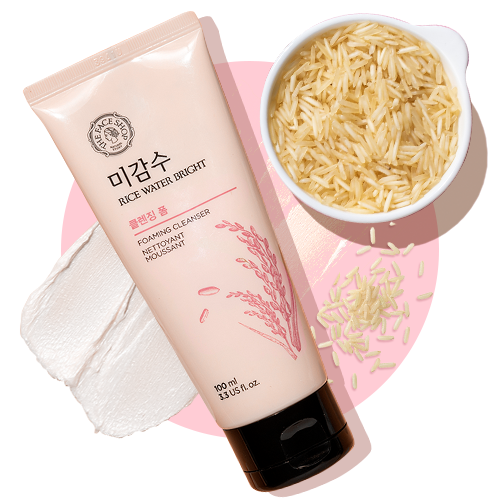
For example, Rice Water Bright Cleansing Foam offers gentle daily cleansing with brightening benefits, ideal for Indian skin that needs both clarity and care.
Comparing Korean vs Western Exfoliants: What’s Best for You?
Western exfoliants often feature higher acid percentages and a ‘shock and awe’ approach. Korean exfoliants, on the other hand, are formulated for daily or alternate-day use, with a focus on gradual improvement. Here’s a quick comparison:
- Western: 10-30% glycolic acid peels, gritty scrubs, strong retinoids
- Korean: 3-5% lactic or mandelic acid toners, enzyme-based peels, PHAs
Trade-off: While Western products may deliver faster visible peeling, they increase the risk of irritation and pigmentation for Indian complexions. Korean options are safer for long-term clarity, especially if you’re new to acids or have a history of dark spots.
Signs You’re Over-Exfoliating (And What to Do Next)
How do you know if your exfoliant is too strong? Watch for these signs:
- Persistent redness or burning
- Increased sensitivity to sunlight
- Flaky, tight, or shiny skin
- New or worsening dark spots
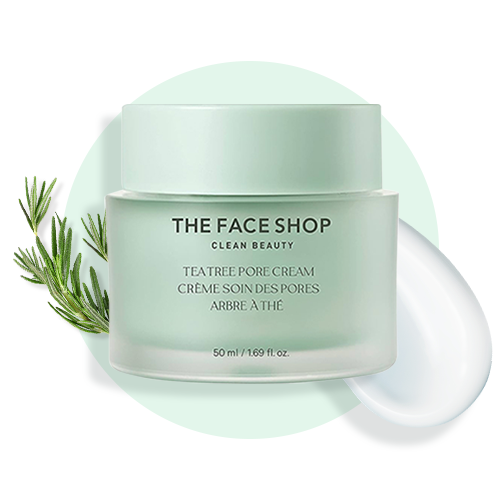
If you notice any of these, pause exfoliation for a week, focus on hydration, and reintroduce a gentler product. For example, the Tea Tree Pore Clarifying Gel Cleanser provides mild exfoliation with soothing tea tree, suitable for daily use in Indian weather.
How to Choose the Right Exfoliant for Indian Skin Pigmentation
When shopping for exfoliants in India, consider:
- Ingredients: Look for lactic acid, mandelic acid, PHAs, or rice water for gentle brightening
- Concentration: Start with 2-5% acids; avoid anything above 10% unless prescribed
- Texture: Avoid harsh scrubs or beads, which can cause micro-tears
- Price-value: Many effective K-Beauty exfoliants are available in India for under ₹1,000, offering both safety and results
Mini-checklist for first-time buyers:
- Patch test before full use
- Use sunscreen daily
- Alternate exfoliation with barrier-repair products
Real-World Results: Gentle Exfoliation Success Stories from India
Many Indian users report that switching from strong peels to gentle, consistent exfoliation has:
- Reduced stubborn pigmentation and dark spots
- Improved skin texture without irritation
- Lowered breakouts and oiliness, especially in humid cities like Mumbai or Chennai
For example, a Mumbai-based customer shared that after replacing her weekly 20% acid peel with a daily low-strength toner and Rice Water Bright Cleansing Foam, her skin became brighter and less reactive within two months.
Practical K-Beauty Exfoliation Routine for Indian Skin
Here’s a simple, effective routine for Indian skin prone to pigmentation:
- Cleanse: Use a gentle foaming cleanser like Rice Water Bright Cleansing Foam
- Exfoliate: Apply a mild acid toner (3-5% lactic or mandelic acid) 2-3 times a week
- Hydrate: Layer a soothing essence or serum
- Moisturise: Use a non-comedogenic moisturiser
- Protect: Always finish with broad-spectrum sunscreen, even indoors
For those new to exfoliation or with sensitive skin, consider starting with a trial size from the Trial Store to find your best match without a large upfront investment.
Common Mistakes to Avoid with Exfoliation in India
- Layering multiple exfoliants (e.g., AHA + BHA + retinol) in one routine
- Skipping sunscreen after exfoliation
- Using physical scrubs on active acne or inflamed skin
- Ignoring the skin’s response - more is not always better
Remember, consistency and patience yield better results than aggressive treatments. If in doubt, consult a dermatologist familiar with Indian skin concerns.
Key Takeaways: The K-Beauty Path to Clearer, Healthier Indian Skin
- Stronger exfoliants are not always better - especially for Indian skin prone to pigmentation
- K-Beauty’s gentle, consistent approach delivers safer, longer-lasting clarity
- Choose low-strength acids, patch test, and always use sunscreen
- Listen to your skin and adjust frequency as needed
- Shop smart - effective, gentle exfoliants are available in India at accessible prices
FAQ
Are strong exfoliants safe for Indian skin?
Strong exfoliants can increase the risk of irritation and post-inflammatory hyperpigmentation in Indian skin. It’s safer to start with low-strength acids and monitor your skin’s response.
How often should I exfoliate if I have pigmentation?
For Indian skin prone to pigmentation, exfoliate 2-3 times a week with a gentle acid. Avoid daily use of strong peels or scrubs.
What ingredients should I look for in a gentle exfoliant?
Look for lactic acid, mandelic acid, PHAs, or rice water. These are effective yet less likely to irritate Indian skin.
Can I use physical scrubs for exfoliation?
Physical scrubs can cause micro-tears and worsen pigmentation, especially on sensitive or acne-prone Indian skin. Chemical exfoliants are generally safer.
Is it necessary to use sunscreen after exfoliating?
Absolutely. Exfoliation makes skin more sensitive to UV damage. Always use a broad-spectrum sunscreen, even if you’re indoors.