
Quick Summary
Struggling with dark spots that refuse to fade, even after months of using actives? Discover why Indian skin needs a smarter, multi-active K-beauty approach for real results.
Have you been layering on Vitamin C, Niacinamide, or Alpha Arbutin for months, but your dark spots just won’t budge? You’re not alone. Indian skin, with its unique melanin content and environmental challenges, often needs more than a single-ingredient solution. This guide unpacks why dark spots are so persistent - and how the K-beauty multi-active strategy can finally help you achieve that luminous, even-toned look.
1. The Indian Skin Puzzle: Why Dark Spots Are Extra Stubborn
Indian skin is beautiful, but it’s also more prone to hyperpigmentation due to higher melanin activity. Common triggers include:
- Post-acne marks (PIH): Even a minor pimple can leave a mark for months.
- Sun exposure: India’s intense UV index means unprotected skin darkens quickly.
- Hormonal changes: Melasma and patchy pigmentation are common, especially in women.
According to a 2022 Indian Dermatology Online Journal study, over 60% of Indian adults report persistent pigmentation issues. The challenge? Melanin-rich skin often responds slowly to single actives, and can react with irritation if over-treated.
2. Why Single-Active Solutions Often Fall Short
Many Indian consumers try one trending ingredient at a time - like Vitamin C serums or Niacinamide creams. But here’s the catch:
- Melanin is complex: It forms in multiple steps, so targeting just one pathway is rarely enough.
- Plateau effect: After initial improvement, progress stalls if you don’t address all causes (inflammation, sun, dehydration).
- Risk of irritation: Overusing a single strong active can damage your skin barrier, making pigmentation worse.
For example, using only Vitamin C may brighten slightly, but without hydration and barrier support, results plateau. This is why many Indian users feel stuck despite consistent routines.
3. The K-Beauty Multi-Active Method: What Makes It Different?
K-beauty routines are famous for their layering approach - combining several gentle, complementary actives. This is especially effective for Indian skin because:
- Synergy: Ingredients like Niacinamide, Licorice Root, and Vitamin C work together to fade spots faster.
- Barrier-first: Hydrating essences and ceramide-rich emulsions prevent irritation, even with actives.
- Customizable: You can adapt your routine for summer, monsoon, or winter - crucial in India’s climate.
Clinical studies (see NCBI) show that multi-ingredient regimens outperform single-actives for stubborn pigmentation, especially in skin of colour.
4. Key Actives for Fading Dark Spots on Indian Skin
Here’s what to look for in your routine:
- Niacinamide (5-10%): Reduces inflammation, regulates melanin, and strengthens the barrier.
- Vitamin C (Ascorbic Acid or derivatives): Brightens and protects against pollution-induced pigmentation.
- Alpha Arbutin: Gently inhibits melanin production, suitable for sensitive skin.
- Licorice Root Extract: A natural brightener that calms redness and fades marks.
- PHA/LHA: Mild exfoliants that help fade surface pigmentation without harshness.
- Snail Mucin: Hydrates and supports healing, reducing post-acne marks.
For best results, combine these actives in a routine rather than relying on just one. For example, layering a Niacinamide serum with a Vitamin C essence and a ceramide emulsion can address multiple pigmentation triggers at once.
5. Building Your Multi-Active Routine: Step-by-Step for Indian Skin
Here’s a practical, season-proof routine for fading dark spots and achieving glass skin:
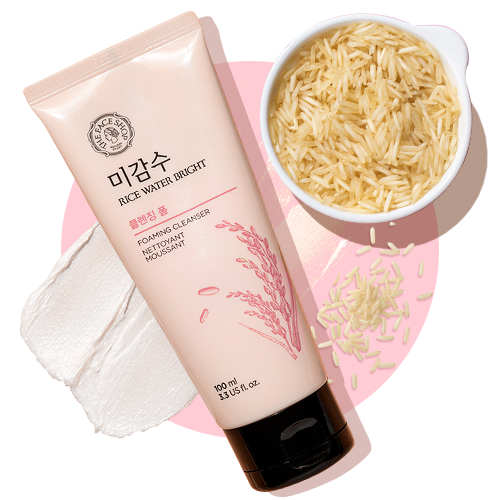
- Gentle Cleanser: Start with a mild cleanser like the Rice Water Bright Cleansing Foam to remove impurities without stripping moisture.
- Hydrating Essence: Apply a hydrating essence to prep skin for actives. Look for ingredients like Hyaluronic Acid or Snail Mucin.
- Targeted Serum: Layer a Niacinamide or Vitamin C serum. Alternate mornings and evenings if your skin is sensitive.
- Barrier-Repair Emulsion: Lock in actives with a lightweight emulsion. The Ceramide & Rice Lightweight Emulsion is ideal for Indian humidity and helps prevent irritation.
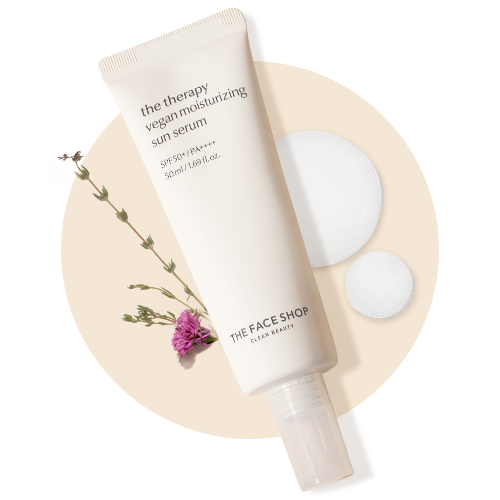
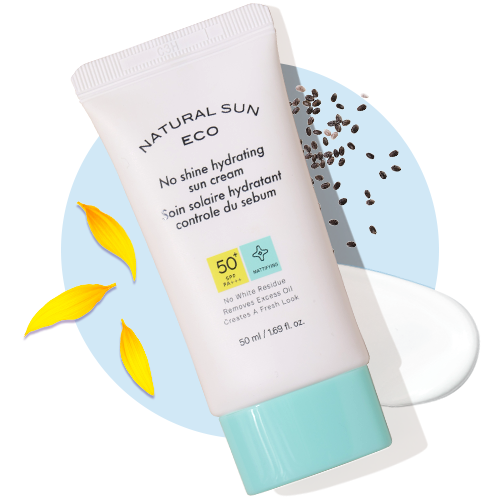
- High-SPF Sunscreen: Never skip sunscreen. Explore our Korean Sunscreen collection for broad-spectrum protection, crucial for preventing new spots.
Mini-checklist:
- Patch test new actives
- Introduce one new product every 2 weeks
- Adjust hydration levels for monsoon/winter
6. Real-World Results: What to Expect (and How Long It Takes)
Fading stubborn dark spots is a marathon, not a sprint. In Indian skin, visible improvement typically takes:
- 4-6 weeks: Early brightening, reduced redness
- 8-12 weeks: Noticeable fading of post-acne marks and sun spots
- 3-6 months: Significant improvement in deeper pigmentation (like melasma)
Consistency is key. According to dermatologist Dr. Rashmi Shetty, “Indian skin needs gentle, sustained routines - aggressive treatments often backfire.”
Tip: Take monthly photos in natural light to track progress, as gradual changes are easy to miss day-to-day.
7. Common Myths About Dark Spot Fading in India - Busted
-
Myth: “Natural remedies like lemon juice work faster.”
Fact: Citrus can irritate Indian skin and worsen pigmentation. -
Myth: “You only need sunscreen outdoors.”
Fact: UVA rays penetrate windows - daily sunscreen is non-negotiable. -
Myth: “Higher concentration = faster results.”
Fact: Overusing actives can damage your barrier and slow healing.
Stick to evidence-backed, dermatologist-recommended routines for safe, lasting results.
8. Adapting Your Routine for Indian Seasons and Lifestyles
India’s climate swings from humid summers to dry winters. Here’s how to adjust:
- Summer: Use lightweight emulsions and gel sunscreens. Reapply sunscreen every 2-3 hours if outdoors.
- Monsoon: Increase hydration with essences. Watch for fungal acne - avoid heavy creams.
- Winter: Layer richer moisturizers and barrier creams to prevent dryness-induced pigmentation.
Busy schedule? Streamline with multi-tasking products (e.g., a serum with both Niacinamide and Licorice Root). For body pigmentation, explore our Body Care range for targeted solutions.
9. When to See a Dermatologist: Knowing Your Limits
If your dark spots are spreading, painful, or resistant after 6 months of consistent care, consult a dermatologist. Some pigmentation types (like melasma or lichen planus pigmentosus) need prescription treatments or in-clinic procedures.
Always patch test new actives, especially if you have sensitive or reactive skin. Remember, patience and protection are your best allies.
10. The Takeaway: Smarter, Not Harder - Your Path to Even-Toned, Radiant Skin
Persistent dark spots on Indian skin require a holistic, multi-active approach. By layering gentle, complementary actives and prioritizing barrier health, you can finally see real progress. The K-beauty routine isn’t just a trend - it’s a science-backed strategy for Indian skin’s unique needs.
Ready to build your routine? Explore our curated K-beauty collections and start your journey to luminous, even-toned skin today.
FAQ
Why do dark spots last longer on Indian skin?
Indian skin has higher melanin activity, making it more prone to persistent pigmentation from acne, sun, or hormonal changes. This means dark spots can take months to fade, especially without a multi-active approach.
Can I use Vitamin C and Niacinamide together to fade dark spots?
Yes, layering Vitamin C and Niacinamide is safe and effective for most Indian skin types. They target different pigmentation pathways and work synergistically, especially when combined with hydration and barrier support.
How long does it take to see results from a K-beauty multi-active routine?
Most users see early brightening in 4-6 weeks, with significant fading of dark spots in 2-3 months. Deeper pigmentation may take up to 6 months. Consistency and daily sunscreen are key.
Do I need to change my routine for different Indian seasons?
Yes, adjust hydration and textures for summer, monsoon, and winter. Use lighter products in humid months and richer creams in winter to prevent dryness-induced pigmentation.
When should I see a dermatologist for dark spots?
If your spots are spreading, painful, or unchanged after 6 months of consistent care, consult a dermatologist. Some pigmentation types need prescription treatments or in-clinic procedures.