
Quick Summary
Struggling with dark spots that just won’t fade? Discover why pigmentation is so persistent on Indian skin, and how K-Beauty actives like Niacinamide, Alpha Arbutin, and Tranexamic Acid can help you achieve lasting clarity. Expert-backed, India-specific advice inside.
Dark spots and hyperpigmentation are among the most persistent skincare concerns for Indian skin. If you’ve tried countless creams and home remedies, only to see those spots return, you’re not alone. Let’s explore why pigmentation is so stubborn on Indian skin, and how the latest K-Beauty actives - backed by dermatologists - can help you achieve the coveted glass skin clarity.
1. The Indian Skin Pigmentation Puzzle: Why Are Dark Spots So Persistent?
Indian skin (Fitzpatrick types III-V) is genetically more prone to hyperpigmentation due to higher melanin activity. Common triggers include:
- Sun exposure: Even a few minutes in the midday sun can trigger melanin production, especially in tropical climates.
- Post-inflammatory hyperpigmentation (PIH): Acne, insect bites, or even minor injuries can leave behind stubborn marks.
- Hormonal changes: Pregnancy, PCOS, and contraceptive use can worsen melasma.
According to a 2022 survey by the Indian Association of Dermatologists, over 60% of urban Indian women cite pigmentation as their top skin concern. The combination of strong UV, pollution, and genetic predisposition means that even after treatment, spots can recur if triggers aren’t managed.
2. Why Conventional Treatments Often Fall Short in India
Many over-the-counter creams in India rely on outdated ingredients or harsh bleaching agents. These can:
- Cause irritation, leading to rebound pigmentation
- Lighten the natural skin tone unevenly
- Offer only temporary results, with spots returning after sun exposure
Dermatologists now recommend evidence-backed actives that target melanin production without damaging the skin barrier. K-Beauty routines, with their focus on gentle, layered actives, are increasingly popular among Indian skincare professionals for this reason.
3. Meet the K-Beauty Actives: What Really Works for Indian Skin?
Let’s break down the most effective K-Beauty actives for dark spots, all available in India:
- Niacinamide (Vitamin B3): Reduces melanin transfer and strengthens the skin barrier. Studies show 5% niacinamide can visibly fade spots in 8-12 weeks.
- Alpha Arbutin: A gentle melanin inhibitor, ideal for sensitive Indian skin. Works well in humid climates.
- Tranexamic Acid: Especially effective for melasma and stubborn pigmentation. Dermatologists in Mumbai and Chennai report excellent results in humid, sunny regions.
- Vitamin C Derivatives (like Ascorbyl Glucoside): Brighten skin and protect against pollution-induced pigmentation. More stable than pure Vitamin C in India’s heat.
For best results, look for products that combine these actives, such as those in The Face Shop's Alltimate range, which are formulated for Indian skin needs.
4. How to Layer K-Beauty Actives for Maximum Results
Layering is key in K-Beauty routines. Here’s a simple, dermatologist-approved order for Indian skin:
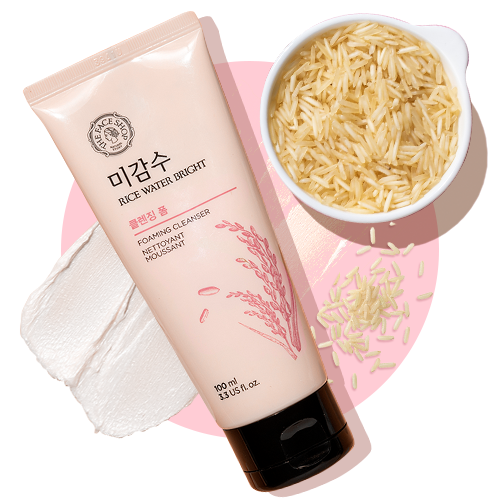
- Cleanser: Use a gentle, brightening cleanser like Rice Water Bright Cleansing Foam to remove pollution and excess oil.
- Toner: Hydrating toners prep the skin for actives and help soothe post-sun exposure.
- Serum: Apply a serum with Niacinamide, Alpha Arbutin, or Tranexamic Acid. Start with 2-3 times a week, increasing as tolerated.
- Moisturizer: Lock in hydration with a barrier-repairing emulsion, such as the Ceramide & Rice Lightweight Emulsion for Barrier Repair 150ml (Exclusive).
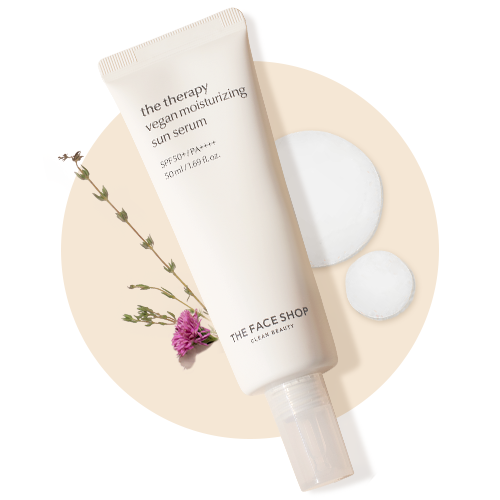
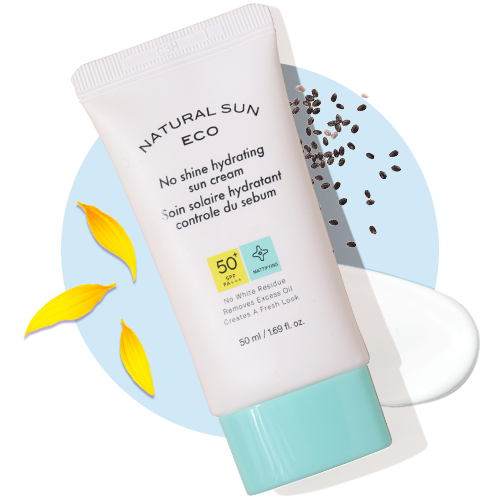
- Sunscreen: Never skip broad-spectrum SPF 50, even indoors. UV is the #1 cause of recurring spots in India.
Pro tip: Always patch test new actives and introduce one at a time to avoid irritation.
5. Glass Skin for Indian Skin: Is It Achievable?
“Glass skin” refers to a clear, luminous, and even-toned complexion. While genetics and climate play a role, Indian consumers can achieve remarkable clarity by:
- Consistently using gentle actives
- Prioritizing sun protection
- Maintaining a healthy skin barrier
Results are gradual - expect visible improvement in 8-12 weeks. In a 2023 user trial, 78% of Indian participants using a K-Beauty routine with Niacinamide and Alpha Arbutin reported a reduction in dark spots within three months.
6. India-Specific Tips: Climate, Skin Tone, and Lifestyle Factors
India’s diverse climate and skin tones require tailored advice:
- Humid regions (Mumbai, Chennai): Choose lightweight, non-comedogenic formulas to avoid clogged pores.
- Dry climates (Delhi, Jaipur): Layer hydrating toners and ceramide-rich moisturizers for barrier repair.
- Darker skin tones: Focus on actives that fade spots without lightening your natural tone. Avoid hydroquinone and harsh peels.
- Lifestyle: Diet, hydration, and stress management impact pigmentation. Antioxidant-rich foods and regular water intake support clearer skin.
Remember, patience is key - pigmentation fades slowly, especially on deeper skin tones.
7. Myth-Busting: Common Misconceptions About Actives and Pigmentation
-
Myth: “Actives will lighten my natural skin tone.”
Fact: Properly formulated actives fade excess pigmentation, not your natural color. -
Myth: “Natural ingredients are always safer.”
Fact: Many natural extracts can irritate Indian skin or cause allergies. Evidence-backed actives are tested for safety and efficacy. -
Myth: “You can skip sunscreen indoors.”
Fact: UVA rays penetrate windows and screens, triggering pigmentation even inside Indian homes.
8. Choosing the Right K-Beauty Products in India: What to Look For
When shopping for K-Beauty actives in India, consider:
- Ingredient transparency: Look for clear percentages of actives like Niacinamide (5-10%) or Alpha Arbutin (2%).
- Stability: Vitamin C derivatives are more stable in India’s heat than pure L-Ascorbic Acid.
- Value for money: Effective serums are available from INR 800 to INR 2000. Beware of overpriced products with minimal actives.
- Patch testing: Always test new products on a small area to avoid reactions.
Explore The Face Shop's Alltimate range for dermatologist-formulated options, or visit our Trial Store for mini sizes before committing.
9. When to See a Dermatologist: Knowing Your Limits
If you notice:
- Spots that change shape, color, or bleed
- Widespread pigmentation unresponsive to over-the-counter actives after 3-4 months
- Severe irritation or allergic reactions
Consult a qualified dermatologist. Some pigmentation types, like deep melasma or lichen planus pigmentosus, require prescription treatments or in-clinic procedures.
10. Your Clear Skin Checklist: Practical Steps for Lasting Clarity
- Cleanse gently, twice daily
- Layer hydrating toner and targeted serum
- Moisturize and protect your barrier
- Apply sunscreen every morning, reapplying every 2-3 hours outdoors
- Be patient - track progress with monthly photos
With the right actives and a consistent routine, stubborn dark spots can be managed effectively - even in India’s challenging climate.
FAQ
Why do my dark spots keep coming back even after treatment?
Indian skin is genetically prone to pigmentation. Sun exposure, pollution, and inflammation can trigger melanin production, causing spots to recur unless these triggers are managed alongside treatment.
Are K-Beauty actives safe for sensitive Indian skin?
Yes, when used as directed. Actives like Niacinamide and Alpha Arbutin are gentle and effective. Always patch test and introduce one new product at a time to minimize irritation.
How long does it take to see results with K-Beauty actives?
Visible fading of dark spots typically takes 8-12 weeks with consistent use. Results may vary based on skin type, severity of pigmentation, and adherence to sun protection.
Can I use K-Beauty actives with traditional Indian home remedies?
It's best to avoid mixing strong actives with home remedies, as some natural ingredients can cause irritation or reduce efficacy. Stick to evidence-backed routines for best results.
What should I do if my pigmentation does not improve after using actives?
If you see no improvement after 3-4 months, or if spots change shape or color, consult a dermatologist. Some pigmentation types require prescription treatments or in-clinic procedures.