
Quick Summary
Struggling with tight, flaky skin despite moisturizing? Discover why your skin barrier may be compromised and how Korean beauty’s rice and ceramide approach, validated by Indian dermatologists, can help you restore healthy, comfortable skin.
Is Your Skin Still Dry After Moisturizing? You’re Not Alone
Many Indians notice their skin feels tight, rough, or flaky - even after using a moisturizer. This isn’t just a winter problem. In cities like Delhi, Mumbai, or Bengaluru, air pollution, hard water, and frequent face washing can leave skin feeling uncomfortable year-round. If you’re layering on creams but still see dry patches or feel that telltale tightness, your skin barrier may be compromised.
- Fact: Over 60% of Indian skincare consumers report persistent dryness, especially after cleansing (source: Nykaa consumer survey, 2023).
- Symptoms include itchiness, redness, and makeup flaking off by midday.
- Common triggers: harsh cleansers, over-exfoliation, and skipping sunscreen.
Understanding the Skin Barrier: Your Body’s Natural Shield
Your skin barrier is like a brick wall: skin cells are the bricks, and natural fats (lipids) are the mortar. When this barrier is healthy, it locks in moisture and keeps irritants out. But in India’s climate - hot, humid, or dry - this barrier is often under attack.
- Mini-checklist: Signs of a weak skin barrier:
- Persistent dryness despite moisturizing
- Stinging or burning after applying products
- Sudden sensitivity to familiar skincare
Indian dermatologists warn that even oily skin can have a damaged barrier, leading to both breakouts and flakiness.
Why Moisturizer Alone Isn’t Enough for Barrier Repair
Most moisturizers in India focus on surface hydration. However, if your skin barrier is compromised, water escapes quickly and irritants can sneak in. This is why you might feel hydrated for an hour, only to have tightness return by lunchtime.
- Many budget moisturizers lack key barrier-repairing ingredients like ceramides or rice extracts.
- Repeated use of foaming cleansers or scrubs can worsen the problem, especially with hard water.
- Indian climates (from dry Rajasthan to humid Chennai) require barrier-focused care, not just basic moisture.
K-Beauty’s Rice & Ceramide Solution: What Makes It Different?
Korean beauty routines are famous for their focus on barrier health. Two ingredients stand out: rice extract and ceramides. Both are gentle, evidence-backed, and well-suited for Indian skin types.
- Rice extract: Used in Asia for centuries, it’s rich in antioxidants and helps soothe, brighten, and strengthen the skin barrier. Studies show rice water reduces irritation and improves hydration (source: NCBI, 2018).
- Ceramides: These are the “mortar” in your skin’s wall. Topical ceramides replenish lost lipids, sealing in moisture and protecting against pollution and sun damage.
Unlike heavy creams, K-beauty’s rice and ceramide formulas are lightweight yet deeply nourishing - ideal for India’s varied climates.
How to Spot a Compromised Skin Barrier (Indian Context)
Not sure if your skin barrier is the culprit? Here’s how Indian consumers can tell:
- Skin feels tight immediately after washing, even in humid weather.
- Flakiness appears around the nose, mouth, or cheeks, especially after using air conditioning.
- Products that once worked now sting or cause redness.
- Makeup looks patchy or “cakes” by afternoon.
In India, hard water and frequent cleansing (due to pollution or sweat) are major contributors. If you relate to these signs, it’s time to rethink your routine.
Rice & Ceramide: The Science-Backed Barrier Repair Duo
Why do Indian dermatologists recommend rice and ceramides? Here’s what the research and real-world experience say:
- Rice extract is rich in amino acids and antioxidants, helping calm irritation and support skin renewal. It’s gentle enough for sensitive skin and helps fade dullness common in Indian skin tones.
- Ceramides restore the lipid layer, reducing water loss and protecting against environmental stressors like pollution and UV rays.
- Clinical studies show that using both together improves hydration and barrier function more than either alone.
For Indian consumers, this means fewer flare-ups, less redness, and a smoother, more resilient complexion - without feeling greasy or heavy.
How to Build a Barrier-Repair Routine (Step-by-Step for Indian Skin)
Ready to fix tight, flaky skin? Here’s a simple, effective routine using K-beauty’s rice and ceramide approach, tailored for Indian needs:
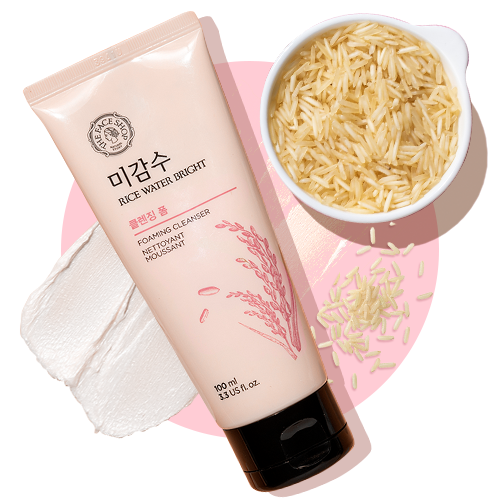
- Gentle Cleanser: Avoid harsh foams. Try a rice-based cleanser for a soft, non-stripping cleanse.
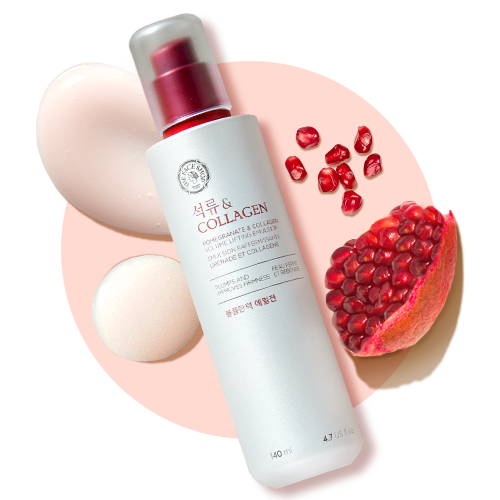
- Hydrating Toner: Use a ceramide-rich toner to prep and soothe skin.
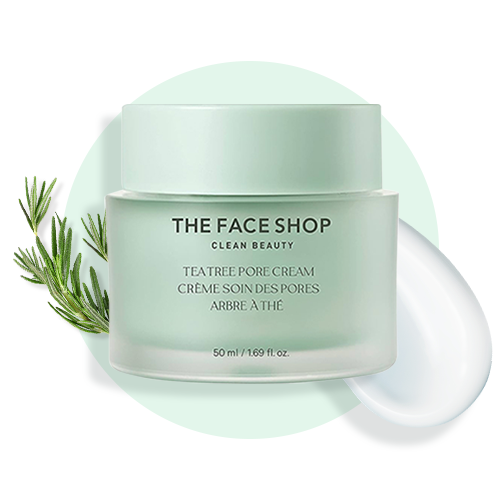
- Barrier Cream: Look for lightweight creams with both rice extract and ceramides. These lock in moisture without clogging pores, even in hot or humid weather.
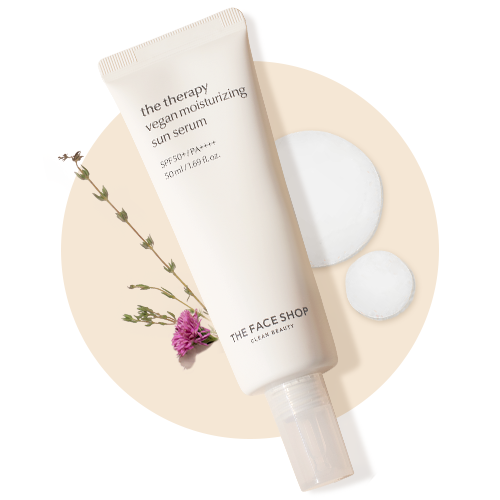
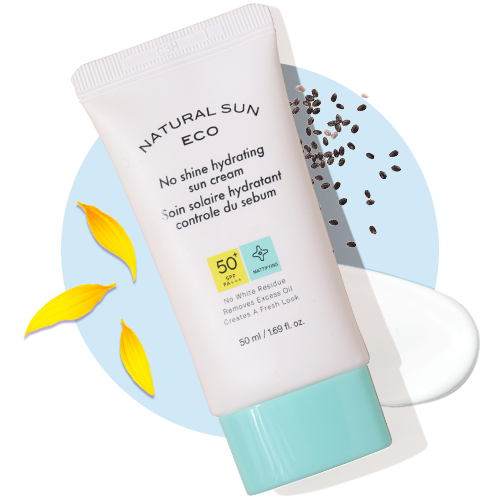
- SPF: Always finish with sunscreen to prevent further barrier damage.
Pro tip: For those on a budget, explore trial sizes for travel sizes before committing to full-size products.
Comparing Rice & Ceramide to Other Barrier Ingredients
How do rice and ceramides stack up against other popular ingredients?
- Rice & Ceramide: Lightweight, non-comedogenic, ideal for Indian skin tones and climates. Offers both hydration and barrier repair.
- Shea Butter & Oils: Very moisturizing but can feel heavy or clog pores in humid regions.
- Hyaluronic Acid: Excellent for hydration but doesn’t repair the lipid barrier on its own.
- Niacinamide: Supports barrier repair but may cause irritation in high concentrations for sensitive skin.
Rice and ceramides offer a balanced, gentle approach - especially for those who find traditional creams too rich or sticky in Indian summers.
What to Expect: Realistic Results & Limitations
Barrier repair isn’t instant. Most Indian users notice:
- Reduced tightness and flakiness within 1 week
- Improved comfort and less redness after 2-3 weeks
- Brighter, more even skin tone over 4-6 weeks
Limitations: If you have eczema, severe allergies, or medical skin conditions, consult a dermatologist before starting new products. Results may vary based on climate, water quality, and other factors unique to India.
Smart Shopping: How to Choose Barrier Repair Products in India
Look for these features when shopping for barrier repair:
- Ingredient list includes rice extract, ceramides, or both
- Lightweight, non-greasy texture (especially for humid climates)
- Fragrance-free or low fragrance for sensitive skin
- Value for money: Many effective options are available under ₹1000, and trial sizes can be found for under ₹400
Explore offers for extra value, or check the collection for more options tailored to Indian skin needs.
Takeaway: Healthy Skin Starts with a Strong Barrier
If your skin feels tight and flaky despite moisturizing, it’s time to focus on barrier repair. K-beauty’s rice and ceramide approach offers a gentle, effective solution for Indian skin. With the right routine, you can restore comfort, resilience, and glow - no matter your climate or skin type.
FAQ
Why does my skin feel tight even after moisturizing?
Tightness after moisturizing often means your skin barrier is compromised. In India, factors like hard water, pollution, and harsh cleansers can damage the barrier, causing moisture loss and discomfort.
Are rice and ceramides safe for sensitive Indian skin?
Yes, both rice extract and ceramides are gentle and suitable for sensitive skin. They help soothe irritation and strengthen the barrier, making them ideal for Indian skin types prone to redness or flakiness.
How long does it take to repair a damaged skin barrier?
Most people notice improvement in tightness and flakiness within 1 week, with full barrier repair taking 2-6 weeks. Consistency and gentle products are key.
Can I use rice and ceramide products in humid Indian weather?
Absolutely. K-beauty rice and ceramide formulas are lightweight and non-greasy, making them suitable for both dry and humid Indian climates.
What’s the best way to try barrier repair products without overspending?
Look for trial sizes or value sets, such as those in the Trial Store, and check for BOGO offers. This lets you test products before committing to full sizes.