
Quick Summary
Curious about when to start anti-aging skincare in India? Dermatologists reveal the best age, key ingredients, and first steps for Indian skin. Get evidence-backed, practical advice tailored for our climate and concerns.
Confused about when to start anti-aging skincare? You’re not alone. With Indian climate, pollution, and diverse skin tones, the right timing and products matter. We asked dermatologists and analyzed the latest research to bring you a practical, India-specific guide - so you can make smart, evidence-backed choices for your skin and budget.
1. Why Anti-Aging Matters Early in India: The Science & Local Triggers
Indian skin faces unique challenges: high UV exposure, humidity, pollution, and a tendency for pigmentation. Studies from NCBI and AAD confirm that these factors accelerate visible aging - think fine lines, uneven tone, and loss of elasticity. Dermatologists in Mumbai and Delhi report that signs of aging can appear as early as the late 20s for urban Indians, especially with irregular sunscreen use.
- Fact: Up to 80% of visible aging is due to environmental factors, not just genetics.
- Tip: Early prevention is more effective (and affordable) than reversing deep-set wrinkles later.
2. The Ideal Age to Start: Not Too Soon, Not Too Late
So, when is the right time? Dermatologists recommend starting a basic anti-aging routine in your mid-20s to early 30s. This doesn’t mean jumping into strong actives right away. Instead, focus on prevention:
- Early 20s: Prioritize sunscreen and hydration.
- Mid to Late 20s: Introduce antioxidants and gentle collagen-boosters.
- Early 30s: Consider mild retinoids or peptides if you notice early signs of aging.
Starting too early with harsh actives can irritate young skin, while waiting until deep wrinkles appear makes results slower and costlier.
3. Key Ingredients: What Actually Works for Indian Skin?
Not all anti-aging ingredients are created equal, especially for Indian skin tones prone to pigmentation. Here’s what dermatologists recommend:
- Peptides: Signal the skin to produce more collagen, improving firmness without irritation. Suitable for all skin types.
- Retinol (Vitamin A): Gold standard for fine lines and texture, but start with low concentrations (0.2%–0.3%) to minimize dryness and peeling. Ideal for night use.
- Vitamin C: Brightens and protects against pollution-induced damage. Look for stabilized forms to suit Indian humidity.
- Collagen: Topical collagen hydrates and plumps, but for real collagen boost, focus on peptides and retinol.
- Bakuchiol: A gentle, plant-based alternative to retinol - great for sensitive skin.
Always patch test new actives, especially if you have a history of sensitivity or pigmentation.
4. Building Your First Anti-Aging Routine: A Step-by-Step Guide
Here’s a dermatologist-approved, beginner-friendly routine for Indian skin:
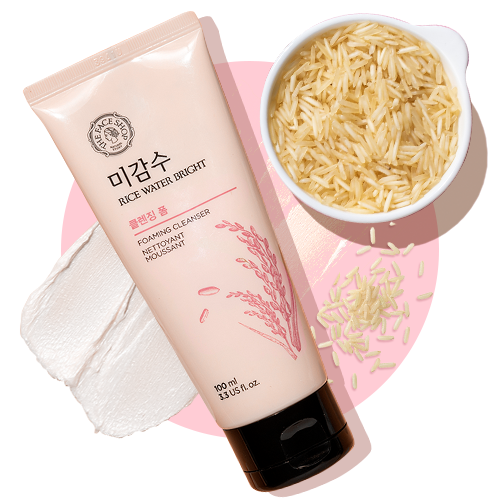
- Cleanser: Use a gentle, non-stripping formula. Try the Rice Water Bright Cleansing Foam for a hydrating cleanse that suits all skin types.
- Toner (optional): If you have oily skin, explore our toner collection for lightweight hydration.
- Serum: Start with a peptide or vitamin C serum. If you’re in your late 20s or early 30s, consider a low-strength retinol or bakuchiol at night.
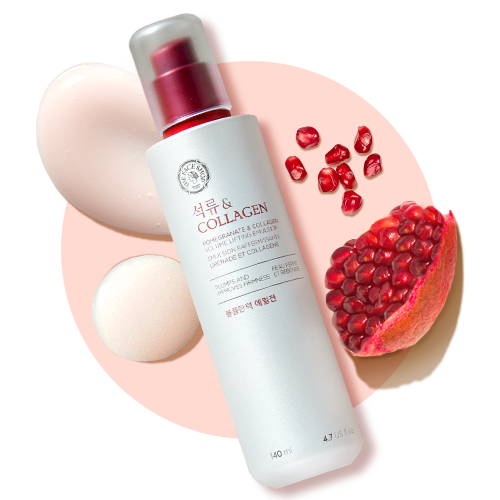
- Moisturizer: Choose a collagen-boosting cream like the Collagen & Pomegranate Volume Lifting Cream for firm, hydrated skin.
- Sunscreen: Use SPF 30 or higher every morning, rain or shine.
Consistency is key - results appear gradually over 8–12 weeks.
5. Ingredient Showdown: Retinol vs. Peptides for Indian Beginners
Should you start with retinol or peptides? Here’s a quick comparison for Indian skin:
| Ingredient | Benefits | Best For | Limitations |
|---|---|---|---|
| Retinol | Reduces fine lines, improves texture, boosts collagen | Early 30s, visible aging, normal to oily skin | Can cause dryness, irritation, photosensitivity |
| Peptides | Firms, hydrates, gentle collagen support | All ages, sensitive skin, prevention | Results are gradual, less dramatic than retinol |
Pro tip: Start with peptides if you have sensitive or dry skin, or layer peptides in the morning and retinol at night for balanced results.
6. Indian Budget Breakdown: What to Expect & How to Prioritize
Anti-aging doesn’t have to break the bank. Here’s how to build a routine for every budget:
- Essentials (INR 800–1,500/month): Cleanser, moisturizer, sunscreen.
- Mid-range (INR 1,500–3,000/month): Add a peptide or vitamin C serum.
- Premium (INR 3,000+/month): Include specialized masks like the Original Collagen Face Mask with Vegan Collagen & Peptide Complex for weekly use.
Look for value packs and BOGO offers to maximize savings. Investing early in prevention can save thousands in corrective treatments later.
7. Common Myths About Anti-Aging in India - Busted!
-
Myth: “Anti-aging is only for mature skin.”
Fact: Prevention is most effective in your 20s and 30s. -
Myth: “Topical collagen adds new collagen to skin.”
Fact: It hydrates and plumps, but peptides and retinol are needed to boost collagen production. -
Myth: “Natural ingredients are always safer.”
Fact: Even natural actives can irritate sensitive skin. Always patch test. -
Myth: “You must use expensive products for results.”
Fact: Consistency and the right ingredients matter more than price.
Awareness helps you avoid costly mistakes and skin irritation.
8. How to Choose Products for Your Skin Type & Indian Climate
Indian skin varies from oily to dry, and the climate can swing from humid to arid. Here’s how to tailor your routine:
- Oily/Combination Skin: Opt for gel-based serums and lightweight creams. Avoid heavy oils.
- Dry/Sensitive Skin: Choose cream-based products with ceramides and peptides. Limit retinol to 2–3 times a week.
- Humid Climates: Use non-comedogenic, sweat-resistant formulas.
- Polluted Cities: Antioxidants like vitamin C are crucial to combat free radical damage.
Explore our All Skin Types collection for dermatologist-formulated options suited for Indian weather and skin tones.
9. What to Expect: Results Timeline & Realistic Outcomes
Anti-aging is a marathon, not a sprint. Most users in India report:
- 4 weeks: Improved hydration and glow
- 8–12 weeks: Smoother texture, reduced fine lines
- 3–6 months: Firmer skin, more even tone
Limitations: Genetics, lifestyle, and sun exposure play a role. No product can erase deep wrinkles overnight, but consistent care delivers visible improvements.
10. Pro Tips: Maximizing Results & Avoiding Common Pitfalls
- Always wear sunscreen, even indoors - UV rays penetrate windows.
- Introduce one new active at a time to monitor reactions.
- Don’t mix strong actives (like retinol and vitamin C) in the same routine unless guided by a dermatologist.
- Stay hydrated and eat a balanced diet rich in antioxidants.
- Consult a dermatologist if you have persistent irritation or pigmentation.
Remember, your skin’s needs may change with age, season, and lifestyle. Adjust your routine accordingly.
FAQ
At what age should I start using anti-aging products in India?
Dermatologists recommend starting a basic anti-aging routine in your mid-20s to early 30s, focusing on prevention with sunscreen, hydration, and gentle actives.
Is retinol safe for Indian skin, and how should I begin?
Yes, retinol is safe when used correctly. Start with a low concentration (0.2%–0.3%) at night, 2–3 times a week, and always use sunscreen during the day to prevent irritation.
Are peptides better than retinol for beginners?
Peptides are gentler and suitable for all skin types, making them ideal for beginners or sensitive skin. Retinol offers faster results but may cause dryness or irritation if not introduced gradually.
How much should I budget for a basic anti-aging routine in India?
A basic routine (cleanser, moisturizer, sunscreen) can start at INR 800–1,500 per month. Adding serums or masks may increase costs, but prevention is more cost-effective than corrective treatments.
Can I use anti-aging products if I have oily or acne-prone skin?
Yes, choose lightweight, non-comedogenic formulas and avoid heavy oils. Peptides and vitamin C are generally safe, but introduce retinol slowly and monitor for irritation.