
Quick Summary
Discover why stubborn dark spots and post-inflammatory hyperpigmentation often recur on Indian skin, and how K-Beauty principles can help you achieve lasting clarity. Learn the hidden triggers, practical routines, and smart product choices for Indian climates.
Have you ever celebrated the fading of a stubborn dark spot, only to see it reappear weeks later? If you have Indian skin, you’re not alone. Recurring pigmentation is a common concern, especially in our climate and with our unique skin biology. This guide reveals the hidden triggers behind persistent dark spots and post-inflammatory hyperpigmentation (PIH) on Indian skin, and how K-Beauty routines can help you break the cycle for good.
1. Understanding Why Dark Spots Are So Persistent on Indian Skin
Indian skin, rich in melanin, is naturally more prone to hyperpigmentation. Melanin protects against UV damage but also means that even minor inflammation, like a pimple or scratch, can leave a mark that lingers. Studies show that PIH can last 6-12 months or longer on medium to deep Indian skin tones, compared to just a few months on lighter skin. The humid, sunny Indian climate further increases the risk of recurrence.
- Counterintuitive fact: Even after a spot fades, the underlying melanocytes (pigment cells) remain hyperactive for months, making recurrence likely if triggers persist.
- India-specific example: Many users notice that old acne marks darken again after a Goa vacation or during peak summer, due to increased sun exposure.
2. The Hidden Triggers: What’s Causing Your Spots to Return?
Fading a dark spot is only half the battle. The real challenge is preventing its return. Common hidden triggers for Indian skin include:
- Sun exposure: Even 10 minutes outdoors without sunscreen can reactivate pigmentation.
- Heat and pollution: Both increase oxidative stress, fueling melanin production.
- Harsh skincare: Over-exfoliation or strong actives can irritate skin, causing rebound pigmentation.
- Hormonal fluctuations: Common in Indian women, especially during pregnancy or PCOS.
Mini-checklist: Are you reapplying sunscreen every 2-3 hours? Using gentle cleansers? Managing stress? Each factor matters for lasting results.
3. Why Quick-Fix Creams Often Fail in India
Many Indian consumers try over-the-counter creams promising fast results. However, these often contain hydroquinone or strong steroids, which may lighten spots temporarily but can thin the skin and cause rebound pigmentation when stopped. Evidence from Indian dermatology clinics shows a high rate of PIH recurrence after such treatments.
- Transparent limitation: No topical cream can permanently erase pigmentation if triggers aren’t addressed.
- Value framing: Investing INR 500-1500 in a gentle, barrier-supporting routine often delivers better long-term value than repeated cycles of harsh creams.
4. The K-Beauty Approach: Gentle, Layered, and Barrier-First
Korean skincare, now popular in India, focuses on gentle brightening and barrier repair. This approach is especially effective for Indian skin, which is easily sensitized by harsh actives. Key principles include:
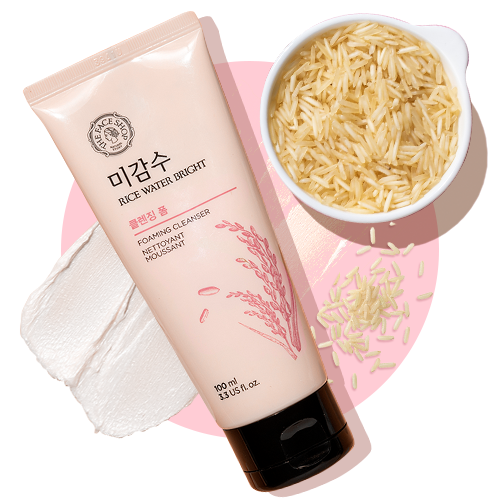
- Double cleansing: Removes sunscreen and pollution without stripping. Try Rice Water Bright Cleansing Foam for a gentle, brightening cleanse.
- Hydrating toners and essences: Ingredients like rice, niacinamide, and hyaluronic acid soothe and brighten.
- Barrier repair: Ceramides and rice extracts help prevent new pigmentation by calming inflammation. The Ceramide & Rice Lightweight Emulsion is a top pick for humid Indian weather.
India-specific tip: Layering lightweight products is ideal for our climate - thick creams can clog pores and worsen PIH in hot, humid cities like Mumbai or Chennai.
5. Ingredient Spotlight: What Actually Works for Indian Skin?
Not all brightening ingredients are created equal. For Indian skin, look for:
- Niacinamide: Reduces melanin transfer and soothes inflammation. Safe for daily use, even in summer.
- Rice extract: Traditional in Asia, now proven to gently brighten and strengthen the skin barrier.
- PHA (Polyhydroxy acids): Exfoliates gently, less irritating than AHA/BHA for melanin-rich skin.
- Vitamin C: Choose stabilized forms to avoid irritation in Indian heat.
Counterintuitive fact: Overusing strong acids or retinoids can worsen PIH on Indian skin. Gentle, consistent use is more effective than aggressive treatments.
6. The Role of Sunscreen: Your Best Defence (But Only If Used Right)
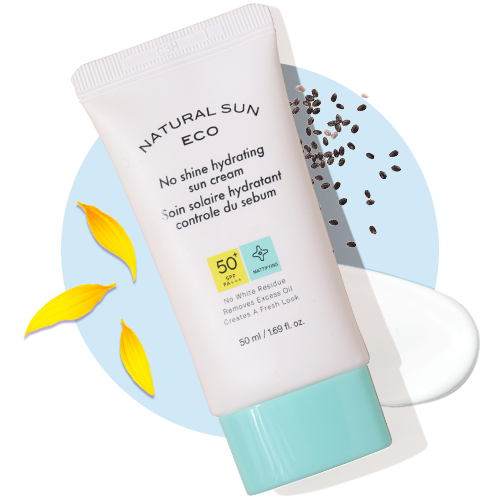
Dermatologists agree: sunscreen is non-negotiable for preventing dark spot recurrence. Yet, surveys show that less than 30% of Indian consumers reapply sunscreen during the day. For best results:
- Use at least SPF 30, broad spectrum, every morning - even indoors.
- Reapply every 2-3 hours if outdoors or sweating.
- Look for lightweight, non-comedogenic formulas suited for Indian humidity.
India-specific example: Office-goers in Delhi who commute by metro often skip reapplication, leading to recurring pigmentation on the cheeks and forehead.
7. Building a Routine That Prevents Recurrence: Step-by-Step for Indian Skin
Consistency is key. Here’s a sample K-Beauty-inspired routine tailored for Indian skin:
- Cleanse: Use Rice Water Bright Cleansing Foam to remove impurities without stripping.
- Tone: Apply a hydrating, alcohol-free toner. See our Toner for Oliy Skin collection for options.
- Treat: Layer a serum with niacinamide or rice extract for brightening.
- Moisturize: Lock in hydration with Ceramide & Rice Lightweight Emulsion.
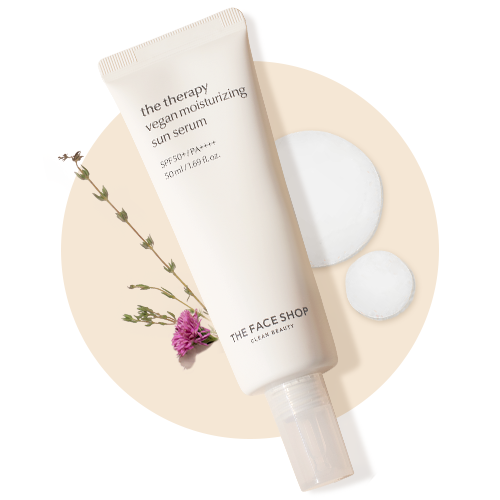
- Protect: Finish with sunscreen, and reapply as needed.
Mini-checklist: Patch test new products, avoid harsh scrubs, and stick to your routine for at least 8 weeks to see results.
8. When to Seek Professional Help: Recognizing Stubborn or Worsening Spots
If your pigmentation worsens, spreads, or doesn’t improve after 3-4 months of consistent care, consult a dermatologist. Some types of pigmentation (like melasma) require prescription treatments or in-clinic procedures. Indian dermatologists often recommend combining gentle at-home routines with professional peels or lasers for best results.
- Transparent limitation: Home care can manage mild to moderate PIH, but severe or persistent cases need expert evaluation.
- India-specific tip: Avoid salon bleaching or unregulated treatments, which can worsen pigmentation and damage skin.
9. Smart Shopping: Choosing the Right Products for Indian Skin & Budget
With so many options, it’s easy to overspend or choose products that don’t suit Indian skin. Here’s how to shop smart:
- Look for products formulated for all skin types, especially those tested in humid climates. Explore our All Skin Types collection for curated picks.
- Check ingredient lists for niacinamide, rice, ceramides, and PHAs.
- Set a monthly skincare budget (e.g., INR 1000-2000) and invest in essentials: cleanser, serum, moisturizer, sunscreen.
- Watch for value bundles, like the Ceramide & Rice Moisturizing Skincare kit, to save on routine basics.
Counterintuitive fact: More expensive doesn’t always mean better. Consistency and suitability for Indian skin matter more than price tag.
10. Key Takeaways: Breaking the Cycle of Recurring Dark Spots
- Indian skin is uniquely prone to recurring pigmentation due to melanin biology and climate.
- Addressing hidden triggers - especially sun, heat, and irritation - is essential for lasting results.
- K-Beauty routines focused on gentle brightening and barrier repair are especially effective for Indian skin.
- Smart product choices and consistent routines deliver better value than quick-fix creams.
- Consult a dermatologist for stubborn or worsening pigmentation.
Ready to build your routine? Explore our curated collections for Indian skin and start your journey to lasting clarity today.
FAQ
Why do my dark spots keep coming back even after they fade?
Indian skin has more active melanocytes, which stay sensitive for months after a spot fades. Sun, heat, and irritation can quickly reactivate pigmentation, causing spots to return.
Are K-Beauty products safe and effective for Indian skin?
Yes, K-Beauty routines emphasize gentle brightening and barrier repair, which are ideal for Indian skin prone to sensitivity and PIH. Look for products with rice, niacinamide, and ceramides.
How long does it take to see results from a new routine?
Most people see visible improvement in 8-12 weeks with consistent use of gentle, brightening products and daily sunscreen. Severe cases may take longer or need professional help.
Can I use home remedies like lemon juice for dark spots?
Avoid harsh home remedies like lemon juice, which can irritate Indian skin and worsen pigmentation. Stick to evidence-backed ingredients and patch test new products.
What’s the best way to prevent dark spot recurrence in India?
Use sunscreen daily, avoid harsh scrubs, choose gentle brightening products, and maintain a consistent routine. Address triggers like sun and heat for best results.