
Quick Summary
Struggling with stubborn dark spots despite using K-Beauty actives? Discover why Indian skin needs barrier repair for true glass skin clarity, and how to choose the right products.
Are you layering on serums and brightening actives, yet your dark spots refuse to budge? If you’re Indian and chasing that coveted 'glass skin' glow, you’re not alone. Many find that even the most hyped K-Beauty products don’t deliver lasting results on pigmentation. The secret culprit? A compromised skin barrier - especially vulnerable in India’s climate. Let’s decode the science, bust myths, and build a smarter routine for real, lasting clarity.
1. The Indian Skin Dilemma: Why Pigmentation Persists
Indian skin is naturally rich in melanin, which means it’s more prone to post-inflammatory hyperpigmentation (PIH) and dark spots after acne or sun exposure. But here’s the twist: our humid, polluted environment and frequent sun exposure make fading these marks even harder. According to a 2022 study in the Indian Journal of Dermatology, over 60% of Indian adults report persistent pigmentation despite regular use of brightening actives.
- Melanin-rich skin reacts strongly to even minor inflammation, causing stubborn marks.
- Environmental stressors like pollution and UV rays worsen pigmentation and slow healing.
Bottom line: If you’re seeing slow or no results, it’s not just your products - it’s your skin’s unique needs.
2. The Skin Barrier: Your Hidden Defender Against Dark Spots
Think of your skin barrier as a shield. When it’s healthy, it locks in moisture and keeps out irritants. But in India’s climate, harsh cleansers, overuse of actives, and environmental stress can weaken this barrier. A compromised barrier means more inflammation, more pigmentation, and less visible improvement - no matter how many actives you use.
- Signs your barrier is struggling: dryness, stinging, redness, or increased breakouts after using actives.
- Barrier repair is essential before expecting results from brightening ingredients.
Pro tip: If your skin feels tight or sensitive after cleansing, it’s time to rethink your routine.
3. Why K-Beauty Actives Alone Aren’t Enough for Indian Skin
K-Beauty is famous for gentle, effective actives like Niacinamide, Rice Extract, and Snail Mucin. But here’s what most guides miss: these actives work best when your barrier is healthy. In India, frequent use of exfoliants or layering too many actives can backfire, leading to irritation and even darker spots.
- Overuse of Vitamin C or acids can trigger inflammation in melanin-rich skin.
- Barrier-supporting ingredients (like Ceramides and Rice) are crucial for safe, visible results.
For example, many users in Mumbai and Delhi report better results after switching to barrier-first routines, even with the same actives.
4. Pollution, Sun, and Stress: The Triple Threat to Fading Spots
India’s urban air is among the world’s most polluted. Fine particles and UV rays penetrate the skin, causing oxidative stress and triggering melanin production. Add daily stress and lack of sleep, and your skin’s repair process slows down further.
- Studies show that pollution can increase pigmentation by up to 20% in Indian cities.
- Skipping sunscreen or using the wrong type leaves your skin exposed, undoing progress.
Checklist for Indian skin:
- Always use a broad-spectrum sunscreen, even indoors.
- Double cleanse at night to remove pollution particles.
- Prioritize antioxidants and barrier-repairing ingredients.
5. Building a Barrier-First K-Beauty Routine for Indian Skin
Ready to see real change? Here’s a step-by-step, India-adapted routine that puts your barrier first:
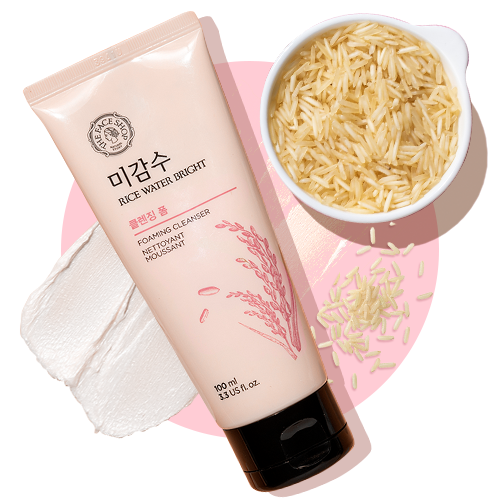
- Gentle Cleanser: Try the Rice Water Bright Cleansing Foam from The Face Shop. It removes impurities without stripping, and rice water is known for its brightening and soothing properties.
- Hydrating Toner: Look for alcohol-free formulas with ingredients like Hyaluronic Acid or Centella Asiatica.
- Barrier Repair Emulsion: The Ceramide & Rice Lightweight Emulsion delivers ceramides and rice extract to strengthen your barrier and fade spots over time.
- Targeted Serum: Use Niacinamide or Snail Mucin serums, but only after your barrier feels comfortable and calm.
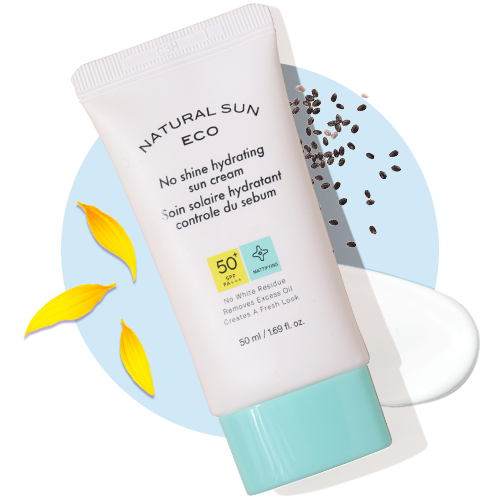
- SPF: Never skip sunscreen. Reapply every 2-3 hours, especially if you’re outdoors.
Tip: For oily skin, choose lightweight, non-comedogenic products. Explore our All Skin Types collection for more options.
6. Ingredient Spotlight: Ceramides, Rice, and Niacinamide for Indian Skin
Not all actives are created equal for Indian skin. Here’s why these three shine:
- Ceramides: Restore the skin’s natural barrier, reducing sensitivity and helping fade pigmentation faster.
- Rice Extract: Traditional Asian remedy, proven to brighten and soothe. Affordable and effective for Indian budgets (many products under INR 1000).
- Niacinamide: Fights inflammation, regulates oil, and visibly reduces dark spots without irritation.
Look for products that combine these ingredients for maximum benefit and value.
7. Common Mistakes: Why Pigmentation Won’t Go Away
Even the best products can fail if you fall into these traps:
- Skipping sunscreen: Sun exposure undoes weeks of progress in a single afternoon.
- Over-exfoliating: Using scrubs or acids too often damages the barrier and worsens pigmentation.
- Ignoring barrier health: Jumping straight to actives without repairing your skin first leads to irritation and slow results.
- Expecting overnight results: Pigmentation takes weeks to fade. Consistency is key.
Mini-checklist: Patch test new products, introduce one active at a time, and monitor your skin’s response.
8. Smart Shopping: How to Choose K-Beauty Products for Indian Skin (and Budget)
With so many options, how do you pick the right products for your needs and wallet?
- Check ingredient lists: Prioritize ceramides, rice extract, and niacinamide.
- Look for India-available products: Buy from official stores or trusted platforms to avoid fakes.
- Value for money: Many effective K-Beauty products are available under INR 1500. For example, Rice Water Bright Cleansing Foam offers excellent results at a budget-friendly price.
- Seasonal tweaks: In humid summers, opt for lightweight emulsions like the Ceramide & Rice Lightweight Emulsion. In winter, layer with richer creams if needed.
Explore our All Skin Types collection for curated K-Beauty picks suited to Indian skin and climate.
9. When to See a Dermatologist: Knowing Your Limits
If you’ve tried barrier repair and consistent routines for 12 weeks with no improvement, it’s time to consult a dermatologist. Some pigmentation (like melasma) may need prescription treatments or professional procedures. Always seek expert advice if you notice sudden changes, pain, or spreading spots.
- Dermatologists can recommend advanced options like chemical peels or lasers, tailored for Indian skin tones.
Remember: No single product is a miracle. Combining smart skincare with professional guidance is the safest path to glass skin.
10. Key Takeaways: Your Roadmap to Clearer, Brighter Skin
- Persistent dark spots on Indian skin often signal a weakened barrier, not just ineffective actives.
- Repairing your barrier with ceramides and rice extract is the foundation for fading pigmentation.
- Protect your skin daily from pollution and sun for lasting results.
- Choose K-Beauty products wisely - look for proven ingredients and India-friendly formulas.
- Be patient and consistent. Real change takes time, but it’s possible with the right approach.
FAQ
Why do my dark spots persist even after using K-Beauty actives?
If your skin barrier is compromised, actives like Vitamin C or Niacinamide may not work effectively. Indian skin is also more prone to inflammation and environmental damage, which slows down fading. Repairing your barrier and protecting against pollution and sun are crucial steps.
How can I tell if my skin barrier is damaged?
Signs include dryness, stinging, redness, or increased breakouts after using actives. If your skin feels tight or sensitive after cleansing, your barrier may need repair.
What are the best K-Beauty ingredients for fading dark spots on Indian skin?
Ceramides, rice extract, and niacinamide are top choices. They repair the barrier, soothe inflammation, and brighten pigmentation without irritation.
How long does it take to see results from a barrier-first routine?
Most people notice improvements in skin comfort within 2 weeks and visible fading of spots in 6-12 weeks, provided they use sunscreen and avoid over-exfoliation.
When should I see a dermatologist for pigmentation?
If you see no improvement after 12 weeks of consistent, barrier-focused care, or if you notice sudden changes, pain, or spreading spots, consult a dermatologist for advanced options.