
Quick Summary
Confused about exfoliators for Indian skin? Discover how to choose a gentle, effective K-Beauty exfoliator tailored to your skin type, concerns, and India's unique climate.
Are you frustrated with dull, uneven skin despite regular exfoliation? Many Indian consumers unknowingly choose harsh or unsuitable exfoliators, leading to irritation, pigmentation, or lackluster results. This comprehensive K-Beauty exfoliator buying guide will help you decode the right options for your unique skin type, concerns, and India's climate so you can achieve radiant, healthy skin without the guesswork.
1. Why Most Exfoliators Fail Indian Skin: Common Mistakes to Avoid
Indian skin is diverse, ranging from fair to deep tones, and is often exposed to high humidity, pollution, and intense sun. Many exfoliators on the market are either too abrasive or not suited for these conditions. Common mistakes include:
- Overusing physical scrubs with large particles, which can cause microtears and worsen pigmentation, especially on medium to deep skin tones.
- Choosing high-strength acids without considering skin sensitivity or climate, leading to redness and post-inflammatory hyperpigmentation (PIH).
- Ignoring ingredient lists and not patch-testing, resulting in breakouts or allergic reactions.
Counterintuitive fact: In humid Indian cities like Mumbai or Chennai, over-exfoliation can actually increase oiliness and breakouts rather than control them.
2. Understanding Exfoliation: Physical vs. Chemical vs. Enzyme
Exfoliators come in three main types:
- Physical exfoliators (scrubs, brushes): Remove dead skin with friction. Often too harsh for Indian skin, especially if used more than once a week.
- Chemical exfoliators (AHAs, BHAs, PHAs): Use acids to dissolve dead skin cells. When chosen correctly, these are gentler and more effective for most Indian skin types.
- Enzyme exfoliators (from papaya, pumpkin): Use natural enzymes to break down dead skin. Ideal for sensitive or reactive skin.
In India, chemical and enzyme exfoliators are gaining popularity for their gentle yet effective results, especially when following the K-Beauty approach.
3. The K-Beauty Philosophy: Gentle Renewal for Lasting Glow
Korean skincare emphasizes gentle, consistent exfoliation over aggressive treatments. This philosophy aligns well with Indian skin needs, focusing on:
- Low-irritation acids (like PHAs and mandelic acid) that minimize risk of PIH.
- Hydrating and soothing ingredients (such as hyaluronic acid and centella asiatica) to counteract dryness and sensitivity.
- Multi-step routines that integrate exfoliation with barrier repair and sun protection.
For example, a K-Beauty peeling gel can gently slough off dead skin without scrubbing, making it suitable for even sensitive Indian skin types.
4. Decoding Ingredients: AHA, BHA, PHA, and More
Choosing the right exfoliator starts with understanding key ingredients:
- AHAs (Alpha Hydroxy Acids): Glycolic, lactic, and mandelic acids target dullness and pigmentation. Glycolic acid is effective but can be strong; mandelic acid is gentler and better for deeper skin tones prone to PIH.
- BHAs (Beta Hydroxy Acids): Salicylic acid penetrates pores, making it ideal for oily, acne-prone skin common in Indian teens and adults.
- PHAs (Polyhydroxy Acids): Newer, larger-molecule acids like gluconolactone exfoliate gently and hydrate, perfect for sensitive or dry skin.
- Enzymes: Papain (from papaya) and bromelain (from pineapple) suit those who react to acids.
India-specific tip: If you have a history of pigmentation or live in a city with high UV index, opt for PHAs or mandelic acid-based exfoliators for safer results.
5. How to Choose the Right K-Beauty Exfoliator for Your Indian Skin Type
Every skin type in India has unique needs. Here’s a quick guide:
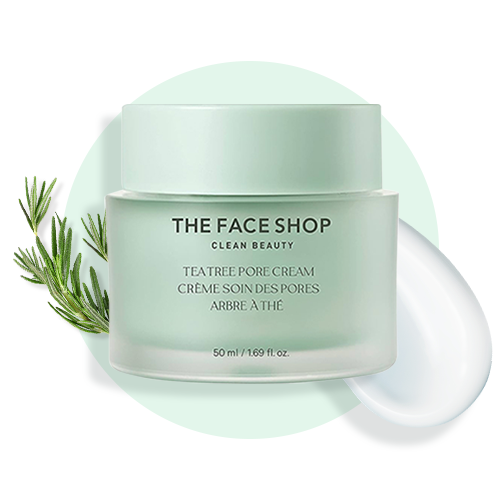
- Oily/Acne-Prone: Look for BHA-based exfoliators. For example, a gel cleanser with tea tree and salicylic acid can help control oil and prevent breakouts. Tea Tree Pore Clarifying Gel Cleanser is a gentle option for daily use.
- Dry/Sensitive: Choose PHAs or enzyme exfoliators. Avoid strong AHAs. K-Beauty peeling gels or enzyme powders are ideal.
- Combination: Alternate between gentle AHA and BHA products, or use multi-acid toners with low concentrations.
- Mature/Pigmented: Mandelic acid or PHAs help fade spots without irritation. Pair with a Vitamin C Serum for enhanced brightening.
Mini-checklist: Always patch-test, start with once a week, and increase frequency only if your skin tolerates it.
6. K-Beauty Exfoliator Formats: Gels, Pads, Powders, and More
K-Beauty offers exfoliators in unique formats that suit Indian routines:
- Peeling gels: Mild, non-abrasive, and easy to rinse. Great for sensitive skin and humid climates.
- Exfoliating pads: Pre-soaked with acids for convenience. Ideal for travel or quick routines.
- Powder washes: Activated with water, these are gentle and customizable.
- Multi-acid toners: Lightweight and layerable, suitable for oily or combination skin.
India-specific example: Peeling gels are popular among Indian office-goers who want a quick, mess-free exfoliation before work.
7. Price vs. Value: What to Expect When Shopping in India
Indian consumers often weigh cost carefully. Here’s what you should know:
- Entry-level K-Beauty exfoliators start around INR 800–1200 for 100ml, offering 2–3 months of use.
- Premium options with advanced ingredients (like PHAs or enzyme blends) can cost INR 1500–2500, but often last longer due to lower usage frequency.
- Look for multi-tasking products (e.g., exfoliating cleansers) to maximize value.
While the initial price may seem higher than local scrubs, the gentle results and reduced risk of pigmentation or irritation often save money on corrective treatments in the long run.
8. Integrating Exfoliation into Your Indian Skincare Routine
To get the best results, follow these steps:
- Cleanse with a gentle, non-stripping face wash.
- Apply your chosen K-Beauty exfoliator (gel, pad, or toner) as directed.
- Rinse (if required) and follow with hydrating toner or essence.
- Moisturize to lock in hydration. For dry skin, consider a body lotion or moisturizer for extra nourishment.
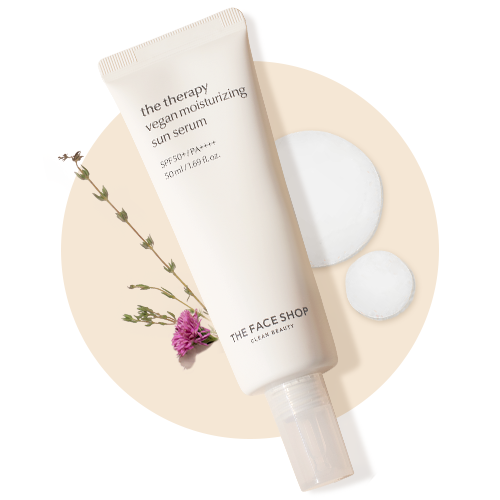
- Always finish with a broad-spectrum Korean sunscreen during the day to prevent sun damage and PIH.
Pro tip: In India’s summer months, reduce exfoliation frequency to avoid over-sensitizing skin.
9. Addressing Special Concerns: Pigmentation, Texture, and Sensitivity
Indian skin is prone to pigmentation and uneven texture. Here’s how K-Beauty exfoliators help:
- Pigmentation: PHAs and mandelic acid gently fade dark spots without triggering PIH. Pair with antioxidants for best results.
- Texture: Regular use of gentle exfoliators smooths bumps and rough patches. Peeling gels and enzyme powders are especially effective for textured skin.
- Sensitivity: Opt for fragrance-free, low-acid formulas. Always patch-test and introduce new products slowly.
Counterintuitive fact: Over-exfoliation can worsen pigmentation, especially on deeper Indian skin tones. Less is more.
10. Real Results: What to Expect and When to Adjust
With the right K-Beauty exfoliator, most Indian users notice:
- Brighter, more even skin tone in 2–4 weeks
- Smoother texture and fewer breakouts
- Reduced appearance of dark spots over 2–3 months
If you experience redness, stinging, or increased pigmentation, pause use and consult a dermatologist. Not every exfoliator suits every skin; listen to your skin’s feedback.
Conclusion: Your Path to Gentle, Effective Renewal
Choosing the right exfoliator for Indian skin is about more than picking the latest trend. By understanding your skin’s needs, the Indian climate, and the unique benefits of K-Beauty, you can achieve radiant results gently and safely. Start with a patch test, go slow, and enjoy the transformation.
FAQ
How often should I exfoliate my Indian skin with a K-Beauty product?
Start with once a week and gradually increase to 2–3 times per week if your skin tolerates it. Over-exfoliation can lead to irritation, especially in India's humid climate.
Are K-Beauty exfoliators safe for sensitive Indian skin?
Yes, especially those with PHAs or enzyme-based formulas. Always patch-test and avoid strong AHAs or scrubs if you have sensitive skin.
Can exfoliation help with pigmentation and dark spots common in Indian skin?
Gentle exfoliators like PHAs and mandelic acid can gradually fade pigmentation. Pair with sunscreen and antioxidants for best results.
What should I avoid when choosing an exfoliator for Indian skin?
Avoid harsh physical scrubs, high-strength acids, and products with added fragrance or alcohol if you have sensitive or pigmented skin.
Is it necessary to use sunscreen after exfoliating?
Absolutely. Exfoliation makes skin more sensitive to UV rays. Always apply a broad-spectrum sunscreen during the day to prevent pigmentation and damage.