
Quick Summary
Struggling with oily skin in India's humidity? Discover the 3-layer hydration method: toner, serum, & lightweight moisturizer for balanced, glowing skin.
Is Your Oily Skin Actually Dehydrated? The Indian Weather Paradox
It sounds counterintuitive, but oily skin can be dehydrated. In India's humid climate, your skin might be producing excess oil to compensate for a lack of moisture. This can lead to clogged pores, breakouts, and a shiny complexion. The key is to hydrate without adding more oil. Many assume that oily skin doesn't need hydration, but that's a myth. Dehydration can exacerbate oil production. The goal? Balanced, healthy skin.
The 3-Layer Hydration Method: A Game-Changer for Oily Skin
This method focuses on layering lightweight products to deliver hydration without clogging pores. It's especially effective in India's humid climate where heavy creams can feel suffocating. The three layers are:
- Toner: Prepares the skin and adds a base layer of hydration.
- Serum: Delivers concentrated ingredients to target specific concerns.
- Lightweight Moisturizer: Seals in the hydration and protects the skin barrier.
Layer 1: Toner - The Unsung Hero of Hydration
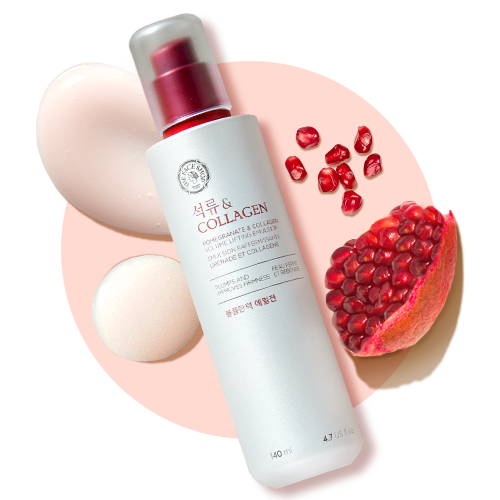
Toners are often overlooked, but they're crucial for oily skin. They balance the skin's pH, remove any remaining impurities after cleansing, and prepare the skin for better absorption of subsequent products. Look for toners with ingredients like:
- Hyaluronic Acid: A powerful humectant that attracts moisture to the skin.
- Green Tea Extract: Provides antioxidant benefits and helps control sebum production.
- Aloe Vera: Soothes and hydrates without clogging pores. Consider a Korean cleanser followed by a toner.
India-Specific Tip: Opt for alcohol-free toners to avoid stripping the skin of its natural oils, which can lead to increased oil production.
Layer 2: Serum - Targeted Treatment for Oily Skin
Serums are concentrated treatments that can address specific concerns like acne, hyperpigmentation, or fine lines. For oily skin, look for serums with:
- Niacinamide: Reduces inflammation, minimizes pores, and controls oil production. Studies show even low concentrations (2-5%) can significantly improve skin texture.
- Salicylic Acid: Exfoliates the skin, unclogs pores, and prevents breakouts.
- Vitamin C: Provides antioxidant protection and brightens the skin.
India-Specific Tip: Start with a low concentration of active ingredients like salicylic acid, especially if you have sensitive skin. Patch test before applying to the entire face.
Layer 3: Lightweight Moisturizer - Sealing in the Goodness
Even oily skin needs a moisturizer to protect the skin barrier and prevent moisture loss. Choose a lightweight, non-comedogenic formula that won't clog pores. Look for moisturizers with:
- Hyaluronic Acid: Again, a great humectant for attracting moisture.
- Ceramides: Help repair and strengthen the skin barrier. Consider the Ceramide & Rice Moisturizing Emulsion 70ml.
- Glycerin: Another humectant that draws moisture from the air into the skin.
India-Specific Tip: Gel-based moisturizers are often a good choice for oily skin in humid weather as they absorb quickly and don't leave a greasy residue.
Decoding Ingredients: What to Look For (and Avoid)
Navigating the world of skincare ingredients can be overwhelming. Here's a quick guide for oily skin:
Look For:
- Hyaluronic Acid
- Niacinamide
- Salicylic Acid
- Green Tea Extract
- Aloe Vera
- Ceramides
Avoid:
- Heavy oils (coconut oil, shea butter)
- Comedogenic ingredients (isopropyl myristate, cocoa butter)
- Alcohol (in high concentrations)
Building Your Oily Skin Hydration Routine: A Step-by-Step Guide
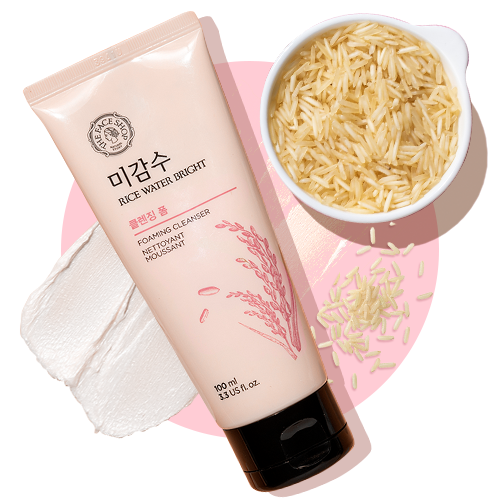
- Cleanse: Use a gentle, foaming cleanser to remove dirt and oil.
- Tone: Apply toner to a cotton pad and sweep over the face.
- Serum: Apply a few drops of serum to your fingertips and gently pat into the skin.
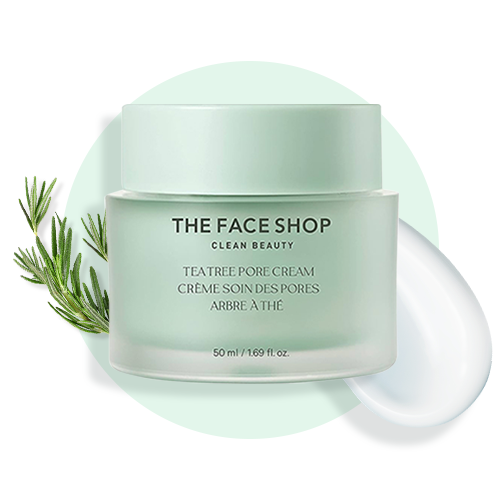
- Moisturize: Apply a lightweight moisturizer to seal in the hydration.
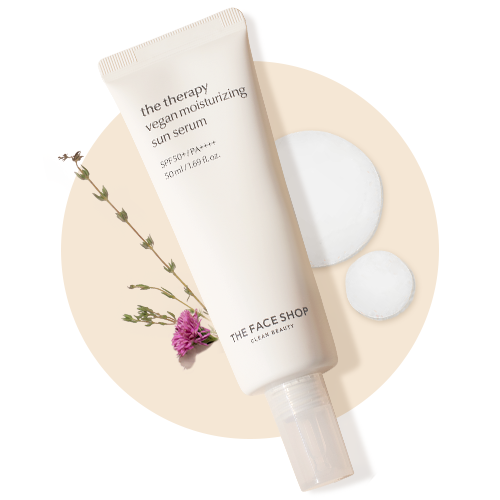
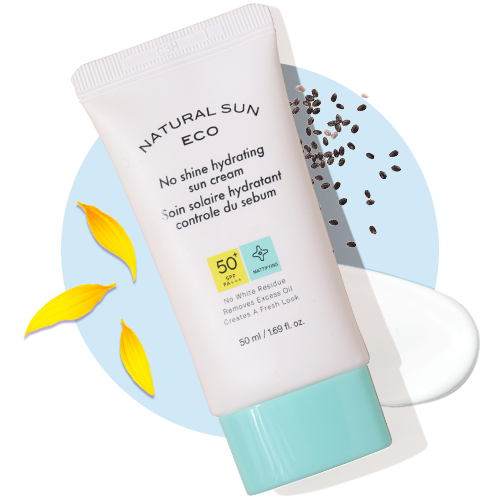
- Sunscreen (Daytime): Always finish with a broad-spectrum sunscreen with an SPF of 30 or higher.
India-Specific Tip: In the Indian climate, reapply sunscreen every 2-3 hours, especially if you're spending time outdoors.
Real-World Results: What to Expect from the 3-Layer Method
With consistent use of the 3-layer hydration method, you can expect to see:
- Reduced oil production
- Smaller pores
- Fewer breakouts
- Improved skin texture
- A healthy, glowing complexion
Remember, consistency is key. It may take a few weeks to see noticeable results. Be patient and adjust the routine as needed to find what works best for your skin.
Addressing Common Concerns: Oily Skin Hydration FAQs
Still have questions? Here are some frequently asked questions about hydrating oily skin:
FAQ
Will moisturizing make my oily skin even oilier?
Not if you use the right products! Lightweight, non-comedogenic moisturizers will hydrate your skin without clogging pores or adding excess oil. Look for gel-based formulas or those with hyaluronic acid.
Can I skip toner if I have oily skin?
Toners are beneficial for oily skin as they help balance pH levels and remove any remaining impurities after cleansing. Choose an alcohol-free toner to avoid stripping your skin of its natural oils.
How often should I exfoliate if I have oily skin?
Exfoliating 1-2 times per week can help unclog pores and prevent breakouts. Use a gentle chemical exfoliant like salicylic acid or a mild physical scrub.
What kind of sunscreen is best for oily skin?
Look for oil-free, non-comedogenic sunscreens with a matte finish. Gel-based or fluid sunscreens are often a good choice. Reapply every 2-3 hours, especially when outdoors.
How long will it take to see results from the 3-layer hydration method?
You may start to see some improvement in your skin's hydration levels within a week or two. However, it can take several weeks to see significant changes in oil production, pore size, and breakouts. Consistency is key!