
Quick Summary
Struggling with acne? Discover if face masks can help! We review the best and most affordable options for acne-prone skin, so you can make an informed choice.
Acne Face Masks: Do They Work & Which Ones Are Worth Your Money?
Dealing with acne can be frustrating. You're constantly searching for solutions, and face masks often pop up as a potential quick fix. But do face masks for acne-prone skin *really* work? And if so, which ones are actually worth your money? This guide breaks down the science behind acne face masks and highlights some of the best affordable options available.
The Science Behind Acne Face Masks
Acne face masks work by delivering concentrated ingredients directly to your skin. These ingredients can help with various aspects of acne, such as reducing inflammation, unclogging pores, and absorbing excess oil. Some common and effective ingredients include:
- Salicylic Acid: A beta hydroxy acid (BHA) that exfoliates the skin and helps to unclog pores. Studies show salicylic acid is effective in treating mild to moderate acne.
- Clay: Absorbs excess oil and impurities from the skin. Bentonite and kaolin clay are popular choices.
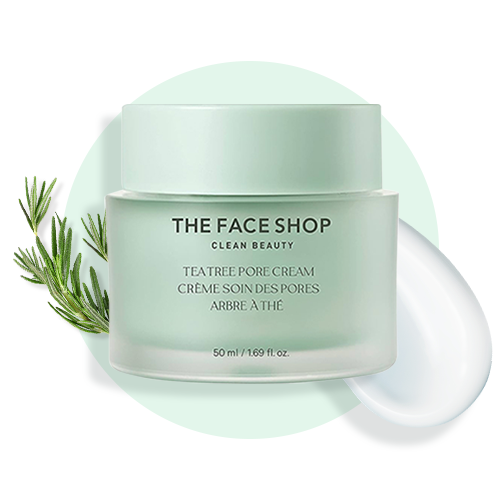
- Tea Tree Oil: An essential oil with antibacterial and anti-inflammatory properties. Research suggests tea tree oil can reduce acne lesions.
- Sulfur: Helps to dry out blemishes and reduce inflammation.
What to Look for in a Face Mask for Acne-Prone Skin
When choosing a face mask for acne, consider the following:
- Ingredients: Look for masks containing the ingredients mentioned above.
- Skin Type: If you have sensitive skin, opt for masks with gentle, non-irritating ingredients.
- Mask Type: Clay masks are great for oily skin, while hydrating masks with acne-fighting ingredients are better for dry or combination skin.
- Reviews: Read reviews from other users to get an idea of the mask's effectiveness.
Top Affordable Face Masks for Acne
Here are a few highly-rated and affordable face masks that can help combat acne:
- The Face Shop Real Nature Mask Sheet - Tea Tree: Infused with tea tree oil, this sheet mask helps to soothe inflammation and reduce blemishes. It's a great option for sensitive skin.
- Aztec Secret Indian Healing Clay Mask: A cult favorite made with 100% natural calcium bentonite clay. This mask is incredibly effective at drawing out impurities and absorbing excess oil.
- Neutrogena Clear Pore Cleanser/Mask: Contains benzoyl peroxide to target acne-causing bacteria. Can be used as a daily cleanser or a mask for deeper treatment.
- Paula's Choice Skin Balancing Oil-Absorbing Mask: Formulated with clay and salicylic acid to unclog pores and control oil production.
How to Use a Face Mask for Acne
To get the most out of your acne face mask, follow these steps:
- Cleanse your face: Start with a clean canvas to allow the mask to penetrate your skin effectively.
- Apply the mask: Apply a thin, even layer of the mask to your face, avoiding the eye area.
- Leave it on: Follow the instructions on the product label for how long to leave the mask on. Typically, this is between 10-20 minutes.
- Rinse thoroughly: Rinse the mask off with lukewarm water.
- Moisturize: Follow up with a moisturizer to hydrate your skin.
Important Considerations
While face masks can be a helpful addition to your acne treatment routine, they are not a standalone solution. For persistent or severe acne, consult a dermatologist. Additionally, be patient. It may take several weeks to see noticeable results. Always patch test new products to avoid allergic reactions.
The Face Shop offers a variety of sheet masks and other skincare products that can complement your acne treatment. Explore our collection to find the perfect additions to your routine.
FAQ
Do face masks really help with acne?
Yes, face masks can help with acne by delivering concentrated ingredients that reduce inflammation, unclog pores, and absorb excess oil. However, they are most effective when used as part of a comprehensive skincare routine.
How often should I use a face mask for acne?
The frequency of use depends on the specific mask and your skin type. Generally, using a face mask 1-3 times per week is a good starting point. Avoid overusing masks, as this can dry out or irritate your skin.
Can face masks cure acne?
No, face masks cannot cure acne. They can help manage symptoms and improve the appearance of your skin, but they do not address the underlying causes of acne. For persistent or severe acne, consult a dermatologist.