
Quick Summary
Discover how Indian dermatologists select anti-aging serums for fine lines. Learn about key ingredients, climate-suited textures, and what really works for Indian skin.
Beyond 'Anti-Aging': How Indian Dermatologists Choose Serums for Fine Lines
India's climate, diverse skin tones, and unique environmental stressors mean that choosing an effective anti-aging serum is more nuanced than simply picking up the latest global trend. Dermatologists across India recommend looking beyond generic 'anti-aging' claims and focusing on evidence-backed ingredients, climate-suited textures, and realistic expectations. This comprehensive guide brings you practical, India-specific advice for selecting the right serum for fine lines and early wrinkles.
Why 'Anti-Aging' Is Outdated: The Science of Fine Lines in Indian Skin
Many products promise to 'reverse aging,' but Indian dermatologists emphasize that fine lines are a natural part of skin maturation, accelerated by sun exposure, pollution, and dehydration. In India, where UV index and pollution levels are high, oxidative stress is a major culprit. Instead of chasing miracle cures, experts recommend targeting the root causes with proven actives and consistent routines.
- Fact: Studies show that Indian skin, especially Fitzpatrick types IV-VI, is more prone to pigmentation and uneven texture than deep wrinkles (source).
- Dermatologists suggest focusing on prevention and texture improvement, not just wrinkle reduction.
Key Ingredients Indian Dermatologists Trust for Fine Lines
Not all 'anti-aging' ingredients are created equal. Here are the actives most recommended by Indian experts:
- Retinol & Retinoids: Gold standard for cell turnover. Start with 0.1-0.3% for beginners to minimize irritation, especially in humid climates.
- Peptides: Support collagen synthesis and skin repair. Look for copper peptides or palmitoyl pentapeptide-4.
- Vitamin C (L-Ascorbic Acid): Brightens and protects against pollution-induced free radicals. 10-15% is effective for most Indian skin tones.
- Niacinamide: Reduces pigmentation and strengthens the skin barrier, crucial for Indian skin exposed to sun and dust.
- Hyaluronic Acid: Hydrates without heaviness, ideal for all skin types in India’s varying climates.
Always check ingredient concentrations and opt for serums with transparent labeling.
Texture Matters: Choosing the Right Serum for India's Climate
Serum texture can make or break your routine, especially in India’s hot, humid summers and dry winters. Dermatologists recommend:
- Lightweight, water-based serums for oily or combination skin, especially in coastal cities like Mumbai or Chennai.
- Gel or emulsion serums for dry skin or winter months in North India. These provide extra moisture without clogging pores.
- For sensitive skin, avoid alcohol-heavy or highly fragranced formulas.
Explore our serum for dry skin collection for options tailored to Indian weather.
Collagen Boosters: Do They Really Work for Indian Skin?
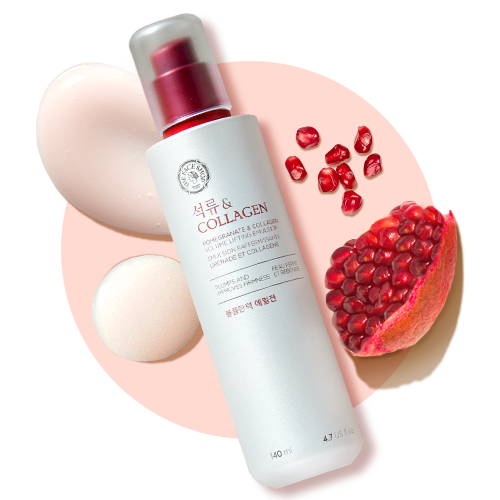
Collagen serums are popular, but do they deliver? Topical collagen molecules are often too large to penetrate deeply. Instead, dermatologists recommend ingredients that stimulate your skin’s own collagen production:
- Peptides and retinoids are proven collagen boosters.
- Vitamin C supports collagen synthesis and helps fade pigmentation, a common concern in Indian skin.
Look for products that combine these actives for best results. While collagen serums can improve surface hydration, their true benefit lies in supporting the skin’s natural renewal process.
Antioxidants: The Pollution Shield Every Indian Needs
Indian cities rank among the world’s most polluted. Antioxidant serums are essential for neutralizing free radicals from pollution and UV rays. Dermatologists recommend:
- Vitamin C and E: Work synergistically to protect and repair skin.
- Ferulic acid: Stabilizes vitamin C and enhances its efficacy.
- Green tea extract: Soothes and defends against environmental stressors.
Using an antioxidant serum in the morning, followed by sunscreen, can significantly reduce premature aging signs.
How to Read Labels: Decoding Claims and Concentrations
Indian regulations for cosmetic labeling are improving, but not all brands disclose full ingredient lists or concentrations. Here’s what to look for:
- Active ingredient percentage: Effective serums list the concentration of key actives (e.g., 10% Vitamin C, 2% Niacinamide).
- pH level: For actives like Vitamin C, a pH of 3-4 ensures stability and absorption.
- Batch and expiry dates: Especially important for actives prone to oxidation, like Vitamin C.
When in doubt, consult a dermatologist or choose brands with transparent, science-backed formulations like The Face Shop.
Price vs. Value: What Should You Really Pay for a Good Serum?
Indian consumers are value-conscious, but higher price does not always mean better results. Here’s how to assess value:
- Ingredient quality and concentration matter more than fancy packaging.
- Effective serums are available from INR 800 to INR 2500. Avoid products with vague claims or no ingredient transparency, regardless of price.
- Look for deals like Beyond 2 at 3999 to maximize value on proven formulations.
Invest in serums that deliver visible results and are suited to your skin type and climate.
How to Layer and Use Serums for Maximum Results
Even the best serum will not work if used incorrectly. Dermatologists recommend:
- Apply serums on clean, slightly damp skin for better absorption.
- Layer from thinnest to thickest: antioxidant or hydrating serum first, then heavier creams or sunscreen.
- Introduce new actives gradually (e.g., retinol twice a week, then increase as tolerated).
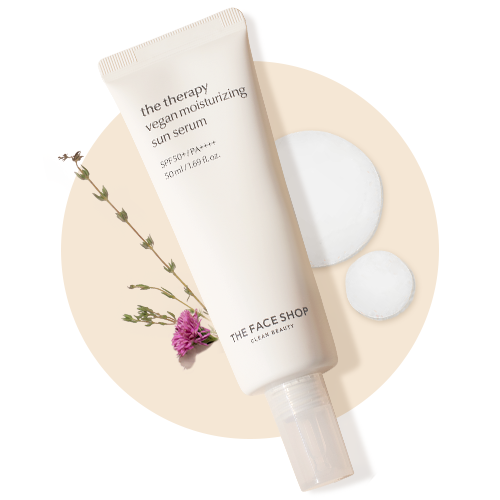
- Always use sunscreen in the morning to protect against further damage.
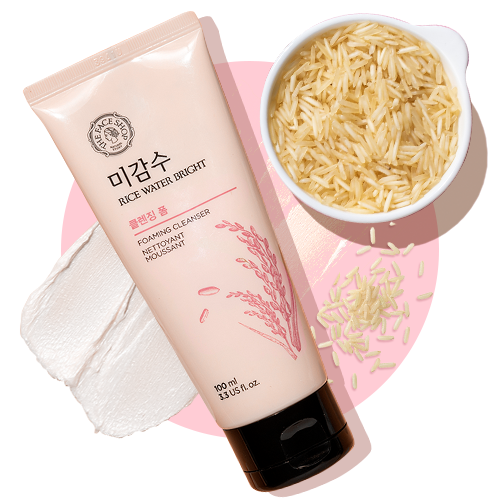
For a gentle cleanse before serum application, try Rice Water Bright Cleansing Foam.
Realistic Expectations: What Serums Can and Cannot Do
Serums can visibly improve fine lines, texture, and brightness, but they cannot erase deep wrinkles or stop aging. Results depend on:
- Consistency: Most users see improvement in 8-12 weeks with regular use.
- Sun protection: Skipping sunscreen can undo serum benefits.
- Genetics and lifestyle: Diet, sleep, and stress also impact skin aging.
Set realistic goals and track progress with photos every month.
FAQ
Which anti-aging serum is best for Indian skin with pigmentation?
Look for serums with vitamin C (10-15%), niacinamide (2-5%), and peptides. These ingredients address both fine lines and pigmentation, which are common in Indian skin. Always use sunscreen to prevent further darkening.
Can I use an anti-aging serum daily in India’s humid climate?
Yes, but choose a lightweight, water-based serum to avoid clogged pores. Start with alternate days if using actives like retinol, and always follow with sunscreen in the morning.
Are expensive serums more effective for fine lines?
Not necessarily. Effectiveness depends on ingredient quality and concentration, not price. Many effective serums are available in India between INR 800 and INR 2500.
How soon will I see results from an anti-aging serum?
Most users notice visible improvements in texture and fine lines within 8-12 weeks of consistent use. Results vary based on skin type, routine, and sun protection.
Can I layer multiple serums for better results?
Yes, but layer from thinnest to thickest (e.g., antioxidant first, then hydrating or anti-wrinkle serum). Introduce new actives gradually to avoid irritation.